Banner
Synchrotron Could Shed Light On Exotic Dark Photons

There are many hypothetical particles proposed to explain dark matter and one idea to explore how...

The Pain Scale Is Broken But This May Fix It

Chronic pain is reported by over 20 percent of the global population but there is no scientific...
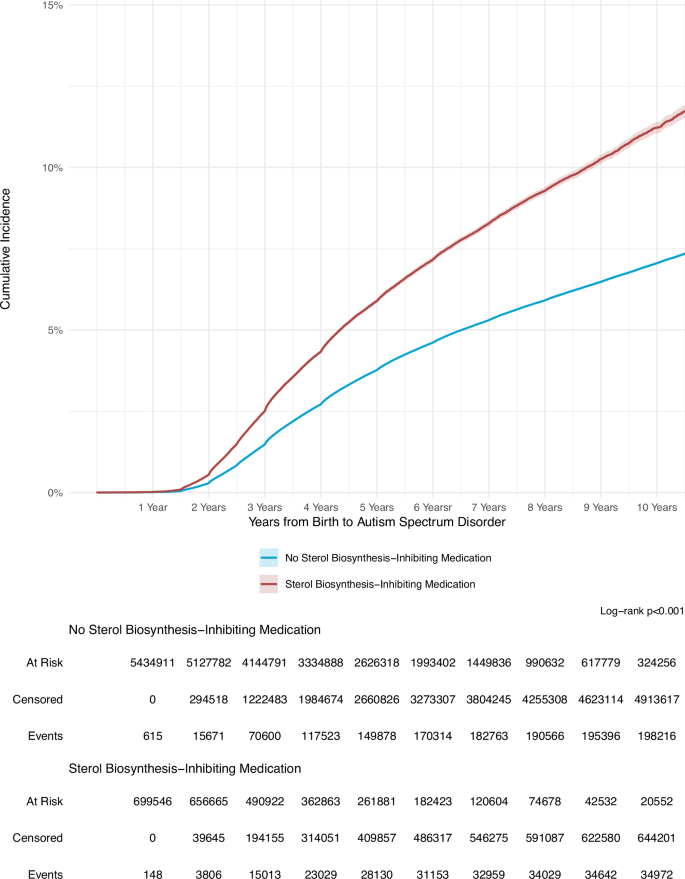
Study Links Antidepressants, Beta-blockers and Statins To Increased Autism Risk

An analysis of 6.14 million maternal-child health records  has linked prescription medications...

Pilot Study: Fibromyalgia Fatigue Improved By TENS Therapy

Fibromyalgia is the term for a poorly-understood condition where people experience pain and fatigue...

User picture.
News StaffRSS Feed of this column.

News Releases From All Over The World, Right To You... Read More »

Blogroll
Contact with nature has long been believed to increase positive feelings, reduce stress and provide distraction from the pain associated with hospital stays and researchers now say they have confirmed the beneficial effects of plants and flowers for patients recovering from abdominal surgery. A recent study by Seong-Hyun Park and Richard H. Mattson, researchers from the Department of Horticulture, Recreation and Forestry at Kansas State University, provides evidence that contact with plants is directly beneficial to a hospital patient's health. Using various medical and psychological measurements, the study set out to evaluate if plants in hospital rooms have therapeutic influences.
Scientists at the Hebrew University of Jerusalem have succeeded in reversing brain birth defects in animal models, using stem cells to replace defective brain cells. 

Neural and behavioral birth defects, such as learning disabilities, are particularly difficult to treat, compared to defects with known cause factors such as Parkinson’s or Alzheimer’s disease, because the prenatal teratogen – the substances that cause the abnormalities -- act diffusely in the fetal brain, resulting in multiple defects. 
University of Cincinnati researchers say they have discovered a new therapy for transplant patients; targeting the antibody-producing plasma cells that can cause organ rejection.  Steve Woodle, MD, and colleagues found that a cancer drug. bortezomib, that is used to treat multiple myeloma, or cancer of the plasma cells, is also effective in treating rejection episodes caused by antibodies that target transplanted kidneys and reversing rejection episodes that did not respond to standard therapies.

B-lymphocytes, or B cells, play a large role in the humoral immune response by making immune proteins that attack transplanted organs.
As the party season approaches, a timely reminder of the issues surrounding the binge drinking culture are again highlighted by research into 'young people and alcohol' a team lead by Professor Christine Griffin, at the University of Bath. The research, funded by the Economic and Social Research Council (ESRC) suggests several considerations for future policy. 

A British company says they have a solution to the over 22,000 tons of hazardous waste that ends up in UK landfills annually from Alkaline batteries that are thrown away after being used in toys and gadgets, creating a toxic problem for hundreds of years.

Moixa Energy's award winning USBCELL re-usable batteries could help reduce this, they say, as they can be re-used hundreds of times by re-charging in USB ports on desktops, laptops or games consoles, saving consumers from money and helping the planet. USBCELLs were recently a Good Housekeeping consumer awards finalist and in September won the Barclays Commercial 'Green Leaders in Business' award.

During an autoimmune disease, the endogenous defence system (the immune system) loses the ability to distinguish between "self" and "foreign".     As a consequence, the immune system directs its defense against itself, with fatal consequences.

In the case of multiple sclerosis, a chronic, inflammatory autoimmune disease, the immune system attacks the protective layer encapsulating the nerve fibres: This protective layer formed by myelin works like insulation for electrical cables. If the insulation is damaged, the nerves can no longer transmit messages effectively.