

Banner
Synchrotron Could Shed Light On Exotic Dark Photons

There are many hypothetical particles proposed to explain dark matter and one idea to explore how...

The Pain Scale Is Broken But This May Fix It

Chronic pain is reported by over 20 percent of the global population but there is no scientific...
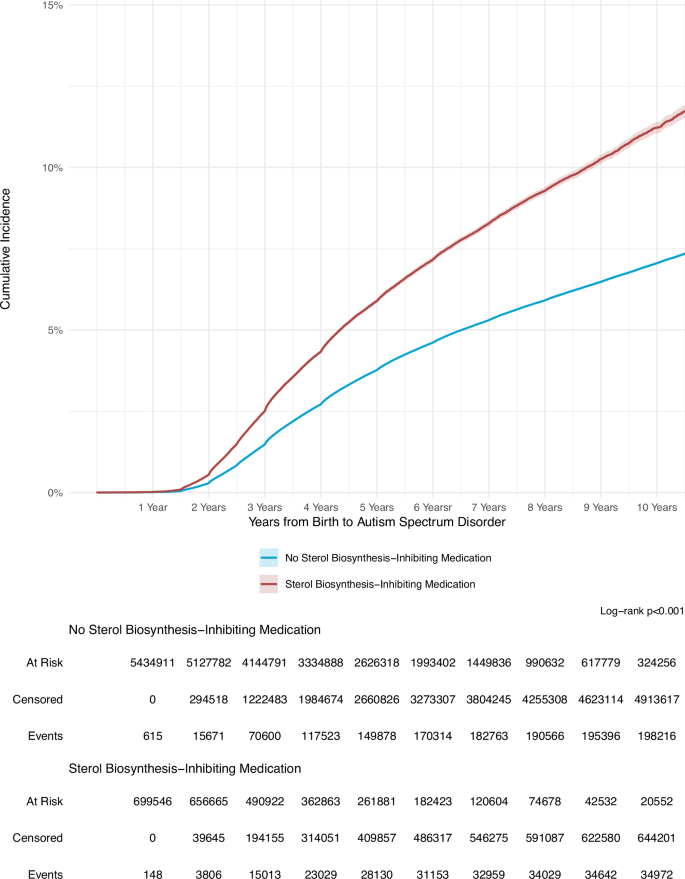
Study Links Antidepressants, Beta-blockers and Statins To Increased Autism Risk

An analysis of 6.14 million maternal-child health records  has linked prescription medications...

Pilot Study: Fibromyalgia Fatigue Improved By TENS Therapy

Fibromyalgia is the term for a poorly-understood condition where people experience pain and fatigue...

User picture.
News StaffRSS Feed of this column.

News Releases From All Over The World, Right To You... Read More »

Blogroll
Artificial bone marrow that can continuously make red and white blood cells has been created in a University of Michigan lab.   This development could lead to simpler pharmaceutical drug testing, closer study of immune system defects and a continuous supply of blood for transfusions.

The substance grows on a 3-D scaffold that mimics the tissues supporting bone marrow in the body, said Nicholas Kotov, a professor in the U-M departments of Chemical Engineering; Materials Science and Engineering; and Biomedical Engineering.

The marrow is not made to be implanted in the body, like most 3-D biomedical scaffolds. It is designed to function in a test tube.

JetBrains, creators of intelligent and innovative productivity-enhancing tools for software developers, have announced the Beta version of their new product - Meta Programming System, or MPS. Meta Programming System is a brand new concept of software development environment implementing the Language Oriented Programming paradigm. After several years of research and development, JetBrains has released its Beta version now, targeting 1.0 for early 2009.

Meta Programming System is an environment for professional software developers to create new custom languages, extend existing languages, and use them to develop programs. MPS is also an instrument for creating Domain Specific Languages (DSLs).

The probability of having one’s child receive an attention deficit hyperactivity disorder (ADHD) diagnosis involves a mother’s own medical conditions and her use of health services prior to having the child, a new study finds. 

Using records from a Northern California Kaiser Permanente database, the researchers identified three groups: mothers of children with ADHD, mother of children without ADHD and mothers of children with asthma. Authors then compared the mothers’ diagnoses, health care use and costs among the groups.
Human and veterinary medicine could receive a big boost through use of larger animals, especially pigs and dogs, in research, with Europe at the forefront, according to a recent workshop organized by the European Science Foundation (ESF), which called for a European pig clinic to facilitate generation and characterization of models of human disease that would be funded within the EU's Seventh Framework program, the main source of EU funding for research projects.

They say this will improve the prospects of bringing drugs to the market more quickly at less cost, as well as accelerating progress in other forms of therapy, notably the use of stem cells in regenerative medicine.
Scientists say they have discovered the trigger that pulls together X chromosomes in female cells at a crucial stage of embryo development. Their discovery could also provide new insights into how other similar chromosomes spontaneously recognize each other and are bound together at key parts of analogous cell processes. This is an important mechanism as the binding togetgher of too many of too few of a particular chromosome can cause a number of medical conditions such as Down's Syndrome or Turner's Syndrome.
2008 will be a little longer than you might have assumed at the beginning of the year. But not so much that you’ll be early for that New Year’s Eve party.

The spin of the Earth is slowing down. Not by much, only about 0.002 seconds a day (it actually varies), relative to our modern definition of the second. The varying rotation of the Earth is due to the cumulative effect of friction from the ocean's tides, the Moon’s orbital momentum, snow at the polar ice caps, the 23-degree tilt of the Earth, the atmosphere, solar wind, space dust and magnetic storms. In any case, the Earth does not rotate exactly once every 24 hours (or 86,400 seconds).







