Banner
Synchrotron Could Shed Light On Exotic Dark Photons

There are many hypothetical particles proposed to explain dark matter and one idea to explore how...

The Pain Scale Is Broken But This May Fix It

Chronic pain is reported by over 20 percent of the global population but there is no scientific...
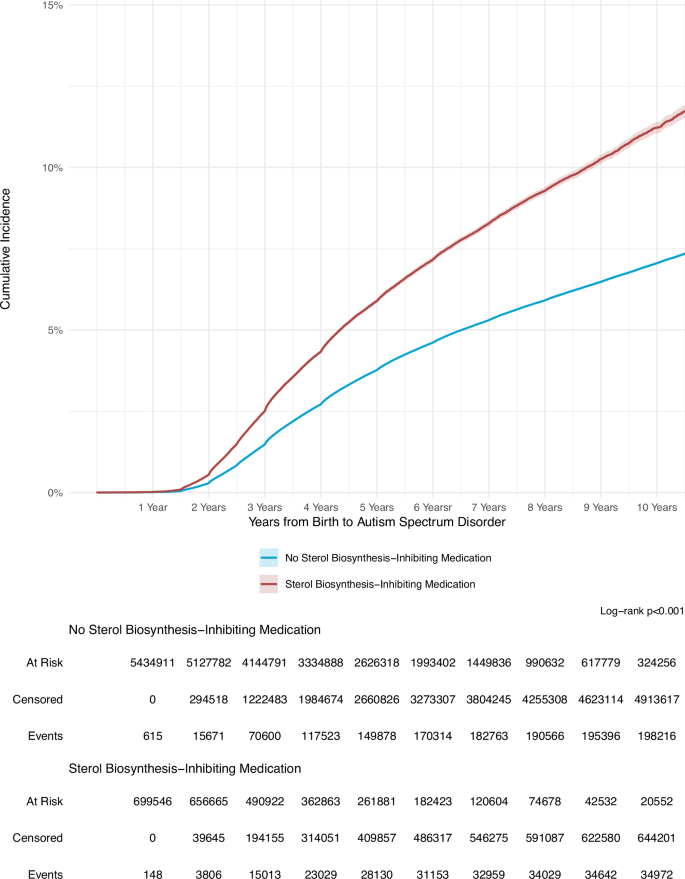
Study Links Antidepressants, Beta-blockers and Statins To Increased Autism Risk

An analysis of 6.14 million maternal-child health records  has linked prescription medications...

Pilot Study: Fibromyalgia Fatigue Improved By TENS Therapy

Fibromyalgia is the term for a poorly-understood condition where people experience pain and fatigue...

User picture.
News StaffRSS Feed of this column.

News Releases From All Over The World, Right To You... Read More »

Blogroll
Researchers using a powerful instrument aboard NASA's Mars Reconnaissance Orbiter have found a long sought-after mineral on the Martian surface and, with it, unexpected clues to the Red Planet's watery past. 
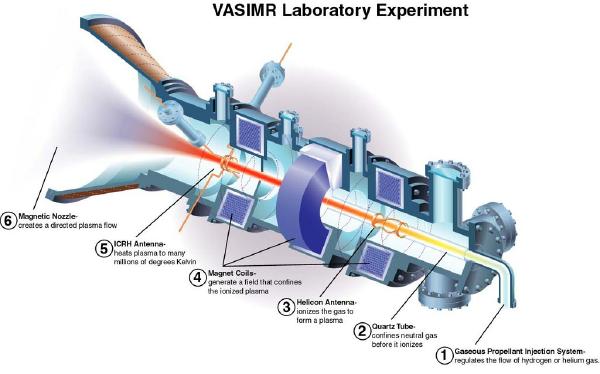
Does Variable Specific Impulse Magnetoplasma Rocket sound like science fiction to you?  

NASA and Ad Astra Rocket Company of Webster, Texas, have signed a Space Act Agreement that could lead to the testing of their new plasma-based space propulsion technology, the VASIMR engine, on the International Space Station. The engine initially was studied by NASA and is being commercially developed by Ad Astra. 

This is the first such agreement for a payload on the station’s exterior and represents an expansion of NASA’s plans to operate the U.S. portion of the space station as a national laboratory. This effort follows the success achieved by the agency last year in reaching multiple agreements to utilize internal station sites for this endeavor. 
Adoption is a great change in the life of a child and the changes are even greater when a new language is included.

According to figures from the adoption associations, around 18 000 children from 30 countries have come to Norway through adoption. Research and experience show that the children do very well and that the children adapt quickly and many overtake other children of the same age in motor function at record speed; but up to a third of the children adopted from abroad are having problems with language proficiency. This has largely gone undetected in kindergartens and schools, says Associate Professor Åse Kari Wagner at the Reading Research Center at the University of Stavanger in Norway. 

This Christmas 112,500 tons of recyclable rubbish will be thrown away, according to new research, by the new think credit card from the Co-operative Bank. This is equivalent to 14,940 red Routemaster buses, 93,360 Minis OR 406 Airbus A380's.

Cardboard, plastic packaging, polystyrene and paper add up to an average of 4.6 kilograms being dumped in the bin per household.

According to the Bible, when Jesus was born three Magi saw a star in the East that 'signaled the birth of a new king'. But just what was it, from an astronomical point of view, that the Magi could actually have seen?

Fred Grosse, a professor of physics and astronomy at Susquehanna University in Selinsgrove, Pa., says there are several popular theories that may answer this question.

“Astronomical objects or events which would be of interest to serious stargazers of the time include comets and meteors, nova or supernova, and auroras,” Grosse says. But the favorite candidate hypothesis for the star of Bethlehem, he explains, is a planetary conjunction.

One night each year, tiny magic reindeer pull Santa and his toy-filled sleigh around the world. Their names are Dasher, Dancer, Prancer, Vixen, Comet, Cupid, Donner, Blitzen and maybe Rudolph (or Robbie, if you're under the age of 30 - editors), and flying reinder are an impressive feat, especially on a site with some very cranky physicists who take that sort of thing literally.

But what about the non-magical reindeer that don't fly, don't have cool names and who spend each day moving throughout the Alaskan and Canadian tundra hanging out with caribou rather than elves? Don't they deserve some attention too?

On a science site they sure do.