Banner
Synchrotron Could Shed Light On Exotic Dark Photons

There are many hypothetical particles proposed to explain dark matter and one idea to explore how...

The Pain Scale Is Broken But This May Fix It

Chronic pain is reported by over 20 percent of the global population but there is no scientific...
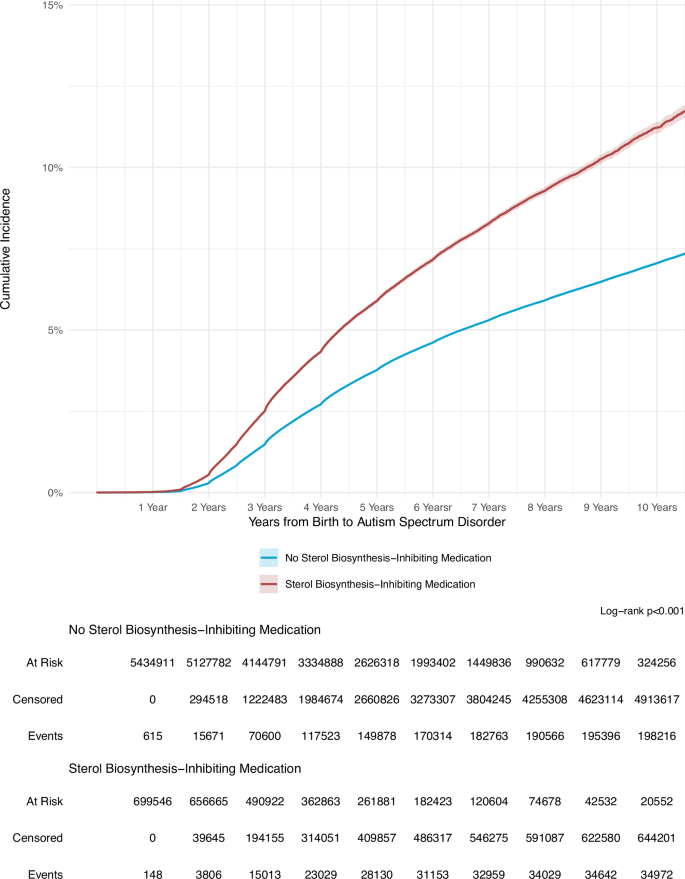
Study Links Antidepressants, Beta-blockers and Statins To Increased Autism Risk

An analysis of 6.14 million maternal-child health records  has linked prescription medications...

Pilot Study: Fibromyalgia Fatigue Improved By TENS Therapy

Fibromyalgia is the term for a poorly-understood condition where people experience pain and fatigue...

User picture.
News StaffRSS Feed of this column.

News Releases From All Over The World, Right To You... Read More »

Blogroll

It is not only joy and goodwill that epitomize Christmas and the New Year. It is also stress, unrealistic expectations, letdowns, tension and, not least, drinking and partying.

This can be one of the worst times of the year for someone with alcohol issues: office parties, family parties, neighbours' parties; it goes on and on. Then comes January and the New Year, with bleak days and broken promises. For some the merriment of Christmas and the New Year masks a much deeper problem: a dependency on alcohol that can easily be passed-off as over-indulgence.

The Priory Hospital receive 20%* more enquiries to their addictions unit in January than many other times of the year.

Arrive at your In-Law's unprepared at Christmas and you may find yourself sitting in someone else's living room, unable to get to the remote control, and nothing but "The Wizard of Oz" on the TV.  Not that that could be bad (the movie), we're just saying.

A good majority of us end up away from home for at least one night staying with relatives. Like anything in life, Christmas is what you make it. So when packing your overnight bag for the festive season make sure you take enough entertainment of your own.

Here are our top survival tips to make it through Christmas:
1. Pack a book. Michael Parkinson's autobiography at 412 pages should take a couple of days even for the most prolific reader.

We all know how hard it is to avoid tasty treats such as chocolate and crisps but it is even more challenging over the festive season.

According to the British Heart Foundation, the average person will consume around 7000 calories on Christmas Day alone; the recommended daily intake for a woman is 2000 calories and 2500 for men.

Snacking is one of the biggest causes of overeating but there are ways in which we can combat this over Christmas and beyond. A recent hypothesis by Dr. James Painter of East Illinois University recommends adopting 'The Pistachio Principle'.

Dr Painter states that: "For example, people will eat larger portions when served food on a bigger plate, and will consume more alcohol when drinking from a wider glass.

Scientists at The Babraham Institute have begun to unpick the complex mechanisms underpinning the development of drug resistant cancers. They have identified a novel target that may help to combat the growing problem of therapy resistant cancers and pave the way for innovative therapeutic approaches. 

Their discovery, reported in the latest edition of the New England Journal of Medicine, centres on the significance of DNA damage for both normal cells and cancer cells. It reveals that a biochemical signalling pathway, that normally ensures damaged cells are diverted towards cellular suicide, is blocked in certain cancers, rendering them resistant to certain types of treatment. 
It was Christmas Eve, 1858 when “people who in the streets, on pathways and in the fields saw a magnificent ball of fire appear, which shone with a brilliant, blinding light and all the colors of the rainbow, obscured the light of the moon and descended majestically from the sky.”  

This was the description of the meteorite that fell that evening, from a report commissioned by Rafael Martínez Fortún, of the town of Molina de Segura in Murcia, whose farm was struck by what is still the largest meteorite recovered in Spain.  Since 1863, it has been exhibited in the National Museum of Natural Sciences.
New research by a Rice University psychologist clearly identifies the parts of the brain involved in the process of choosing appropriate words during speech.

When speaking, a person must select one word from a competing set of words. For example, if the speaker wants to mention a specific animal, he has to single out "dog" from "cat," "horse" and other possibilities. If he wants to describe someone's temperament, he has to choose whether "happy," "sad," "ecstatic" or some other adjective is more appropriate.

Tatiana Schnur, assistant professor of psychology at Rice, wanted to determine whether one particular part of the brain, the left inferior frontal gyrus (LIFG), is necessary for resolving the competition for choosing the correct word.