Banner
Synchrotron Could Shed Light On Exotic Dark Photons

There are many hypothetical particles proposed to explain dark matter and one idea to explore how...

The Pain Scale Is Broken But This May Fix It

Chronic pain is reported by over 20 percent of the global population but there is no scientific...
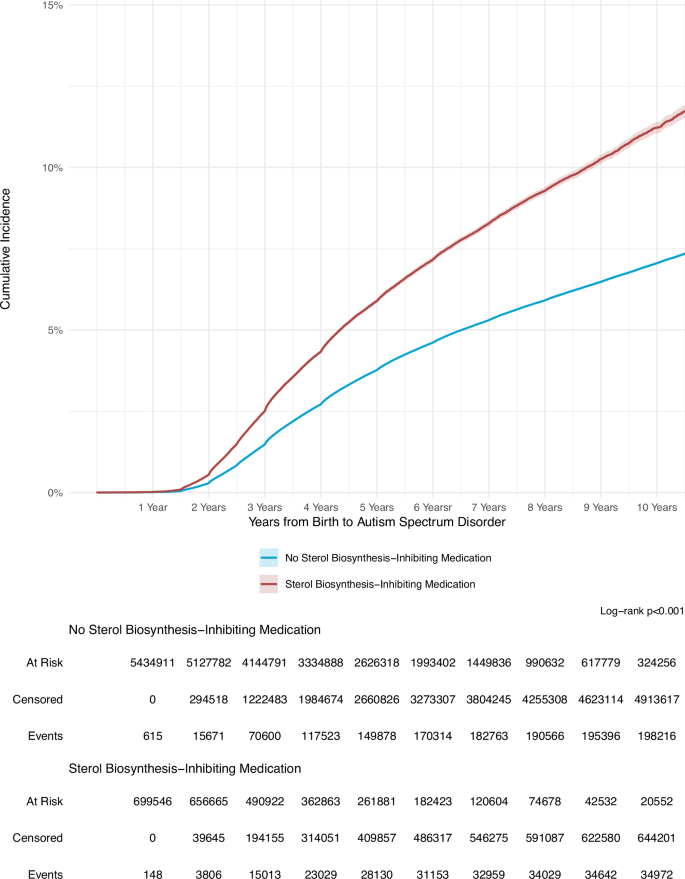
Study Links Antidepressants, Beta-blockers and Statins To Increased Autism Risk

An analysis of 6.14 million maternal-child health records  has linked prescription medications...

Pilot Study: Fibromyalgia Fatigue Improved By TENS Therapy

Fibromyalgia is the term for a poorly-understood condition where people experience pain and fatigue...

User picture.
News StaffRSS Feed of this column.

News Releases From All Over The World, Right To You... Read More »

Blogroll
Researchers at the University of Southern California (USC) have, for the first time in history, derived authentic embryonic stem (ES) cells from rats. This breakthrough finding will enable scientists to create far more effective animal models for the study of a range of human diseases. 

The finding brings scientists much closer to creating "knockout" rats—animals that are genetically modified to lack one or more genes—for biomedical research. By observing what happens to animals when specific genes are removed, researchers can identify the function of the gene and whether it is linked to a specific disease.
Researchers have what they think may be a basic recipe for capturing and maintaining indefinitely the most fundamental of embryonic stem cells from essentially any mammal, including cows, pigs and even humans. Two new studies reported in Cell, show that a cocktail first demonstrated to work in mice earlier this year, which includes inhibitory chemicals, also can be used to successfully isolate embryonic stem cells from rats.

Authentic rat embryonic stem cells had never before been established.
A slow, chronic starvation of the brain as we age appears to be one of the major triggers of a biochemical process that causes some forms of Alzheimer's disease.

A new study from Northwestern University's Feinberg School of Medicine has found when the brain doesn't get enough sugar glucose -- as might occur when cardiovascular disease restricts blood flow in arteries to the brain -- a process is launched that ultimately produces the sticky clumps of protein that appear to be a cause of Alzheimer's.
Sports drinks containing protein are better at improving athletes' performance. Research published in BioMed Central's open access Journal of the International Society of Sports Nutrition has shown that drinks containing a mix of carbohydrate and protein are superior to carbohydrate-only drinks in improving cyclists' recovery from exercise.
Fish oil protects against deaths from heart problems, but doesn't provide a clear benefit in heart rhythm problems (arrhythmias), according a study published on bmj.com today.

Consuming oily fish at least two to four times a week is recommended for patients after a heart attack. But the evidence for the protective effect of fish oil supplements is based on one large trial from over 10 years ago. More recent trials have showed no beneficial effect of fish oil on patient outcomes.
Deriving plentiful electricity from sunlight at a modest cost is a challenge with immense implications for energy, technology, and climate policy. A paper in a special energy issue of Optics Express, describes a relatively new approach to solar cells: lacing them with nanoscopic metal particles. As the authors describe in the article, this approach has the potential to greatly improve the ability of solar cells to harvest light efficiently.