Banner
Synchrotron Could Shed Light On Exotic Dark Photons

There are many hypothetical particles proposed to explain dark matter and one idea to explore how...

The Pain Scale Is Broken But This May Fix It

Chronic pain is reported by over 20 percent of the global population but there is no scientific...
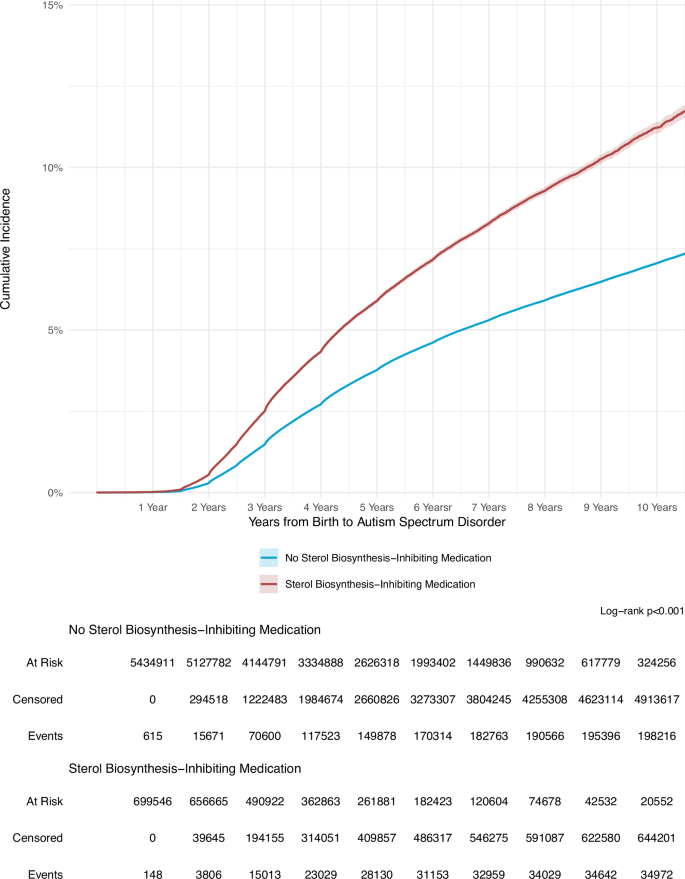
Study Links Antidepressants, Beta-blockers and Statins To Increased Autism Risk

An analysis of 6.14 million maternal-child health records  has linked prescription medications...

Pilot Study: Fibromyalgia Fatigue Improved By TENS Therapy

Fibromyalgia is the term for a poorly-understood condition where people experience pain and fatigue...

User picture.
News StaffRSS Feed of this column.

News Releases From All Over The World, Right To You... Read More »

Blogroll
A new study from the psychology department at Tufts University shows that when dieters eliminate carbohydrates from their meals, they performed more poorly on memory-based tasks than when they reduce calories, but maintain carbohydrates. When carbohydrates were reintroduced, cognition skills returned to normal.

While the brain uses glucose as its primary fuel, it has no way of storing it. Rather, the body breaks down carbohydrates into glucose, which is carried to the brain through the blood stream and used immediately by nerve cells for energy. Reduced carbohydrate intake should thus reduce the brain's source of energy. Therefore, researchers hypothesized that diets low in carbohydrates would affect cognitive skills.
Women's magazines such as The Oprah Magazine and Cosmopolitan portray cosmetic surgery as a physically risky but overall worthwhile option for enhancing physical appearance but a University of British Columbia study has found they aren't really addressing possible emotional health risks.

The study, published in Women's Health Issues journal, is the first to examine how women's magazines portray cosmetic surgery to Canadians, and also found that male opinions on female attractiveness are routinely used to justify cosmetic surgery and that a disproportionate amount of articles are devoted to breast implants and cosmetic surgery among women aged 19-34.
Airline pilots who have flown for many years may be at risk of DNA damage from prolonged exposure to cosmic ionizing radiation, suggests a study in Occupational and Environmental Medicine.

The research team compared the rate of chromosomal (DNA) abnormalities in blood samples taken from 83 airline pilots and 50 university faculty members from the same US city.

The two groups were matched for age (35 to 56), sex (male), and smoking habit (light or non-smokers). Age and smoking are known risk factors for cumulative DNA damage.

Fifty eight of the pilots (70%) had served in the military, and they had undertaken significantly more personal air travel than the university staff. Both these factors would have exposed them to more ionising radiation.
Hospital-borne infections are a serious risk of a long-term hospital stay, and ventilator-associated pneumonia (VAP), a lung infection that develops in about 15% of all people who are ventilated, is among the most dangerous. With weakened immune systems and a higher resistance to antibiotics, patients who rely on a mechanical ventilator can easily develop serious infections — as 26,000 Americans do every year.

Thanks to a proven new clinical approach developed by Tel Aviv University nurses, though, there is a new tool for stopping the onset of VAP in hospitals.

This new high-tech tool? An ordinary toothbrush.

Three Times a Day Keeps Pneumonia Away

RISI today through its Wood Biomass Market Report, indicated that woodfiber will play a major role in any new green energy spending plans in the U.S. The Report stated that as of Dec. 12, estimates from the ever-expanding federal stimulus package suggest the green component (wood, wind, solar, etc.) will be a whopping US$50 billion over two years. If 20% falls to wood energy, that near term spending of US$10 billion would spur formidable growth, providing tens of thousands of new jobs -- and wood demand of perhaps 120 million green tons, long-term.

A portable test being developed by biodetection expert Stratophase could soon enable farmers and vets to accurately detect highly contagious diseases such as bovine TB and foot and mouth in the field, reducing false alarms and containment time and enabling remedial action to be taken more quickly.

A total of 2,030 cases of Foot and Mouth Disease (FMD) were confirmed in Great Britain between February and September 2001.* Millions of cows were slaughtered during the eradication programme and large swathes of the British countryside fenced off and declared out of bounds to the public for fear of further spread of the infection.

Stratophase is working with other British experts to develop a new detector system using immunoassay diagnosis - a biochemical test that detects