Banner
Synchrotron Could Shed Light On Exotic Dark Photons

There are many hypothetical particles proposed to explain dark matter and one idea to explore how...

The Pain Scale Is Broken But This May Fix It

Chronic pain is reported by over 20 percent of the global population but there is no scientific...
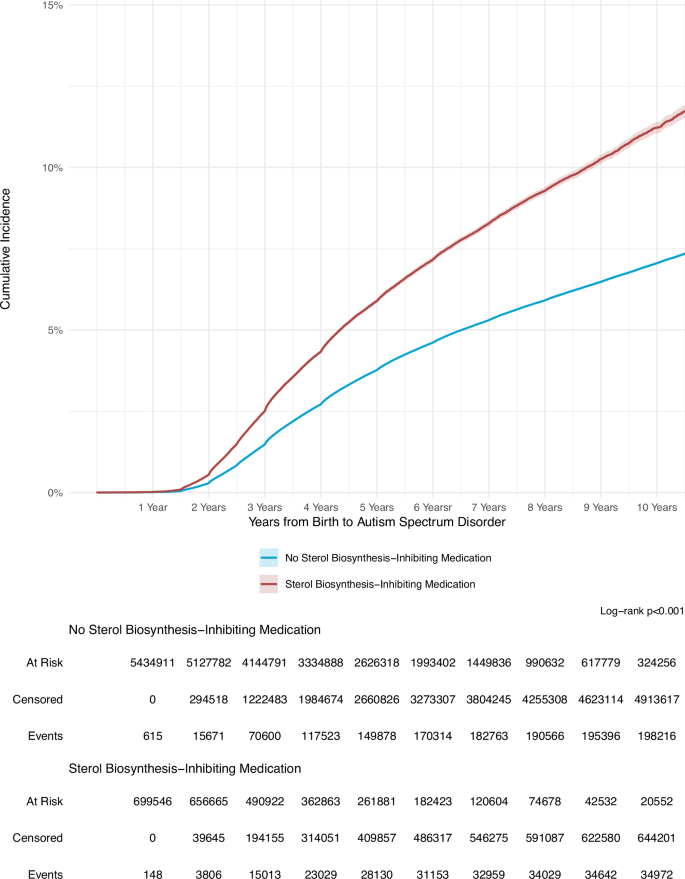
Study Links Antidepressants, Beta-blockers and Statins To Increased Autism Risk

An analysis of 6.14 million maternal-child health records  has linked prescription medications...

Pilot Study: Fibromyalgia Fatigue Improved By TENS Therapy

Fibromyalgia is the term for a poorly-understood condition where people experience pain and fatigue...

User picture.
News StaffRSS Feed of this column.

News Releases From All Over The World, Right To You... Read More »

Blogroll
Biologists at The University of Nottingham and University College Dublin have announced a major breakthrough in our understanding of the sex life of a microscopic fungus which is a major cause of death in immune deficient patients and also a cause of severe asthma.

The discovery of a sexual cycle in the fungal pathogen Aspergillus fumigatus is highly significant in understanding the biology and evolution of the species and will shed new light on its ability to adapt to new environments and its resistance to antifungal drugs. It is hoped the results of this research will lead to new ways of controlling this deadly disease and improved treatments for patients infected with it.

A super-efficient system that has the potential to power, heat and cool homes across the UK is being developed at Newcastle University.

It works by burning vegetable oil to power a generator and provide electricity for the home. The waste heat from this process is then used to provide heating and hot water and is also converted to cool a fridge.

At each step, the waste heat that is produced from engine gases and cooling is used elsewhere to recover the maximum amount of energy from the system.

Earth's present day greenhouse scourge, carbon dioxide, may have played a vital role in helping ancient Earth to escape from complete glaciation, say scientists in a paper published online today.

In their review for Nature Geoscience, UK scientists claim that the Earth never froze over completely during the Cryogenian Period, about 840 to 635 million years ago.

This is contrary to the Snowball Earth hypothesis, which envisages a fully frozen Earth that was locked in ice for many millions of years as a result of a runaway chain reaction that caused the planet to cool.

Keeping tropical rain forests intact is a better way to combat climate change than replacing them with biofuel plantations, according to a new study published in Conservation Biology.

The study reveals that it would take at least 75 years for the carbon emissions saved through the use of biofuels to compensate for the carbon lost through forest conversion. And if the original habitat was carbon-rich peatland, the carbon balance would take more than 600 years. On the other hand, planting biofuels on degraded Imperata grasslands instead of tropical rain forests would lead to a net removal of carbon in 10 years, the authors found.

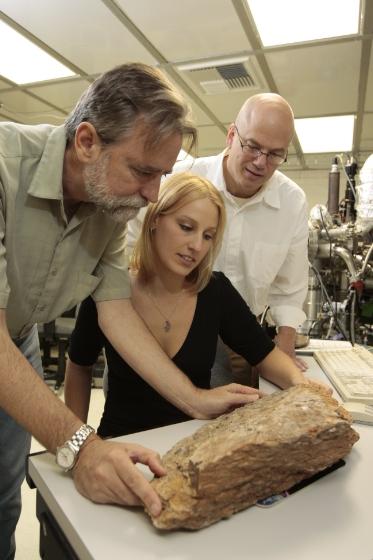
A new picture of the early Earth is emerging, including the surprising finding that plate tectonics may have started more than 4 billion years ago — much earlier than scientists had believed, according to new research by UCLA geochemists. 

"We are proposing that there was plate-tectonic activity in the first 500 million years of Earth's history," said geochemistry professor Mark Harrison, director of UCLA's Institute of Geophysics and Planetary Physics and co-author of the Nature paper. "We are reporting the first evidence of this phenomenon." 
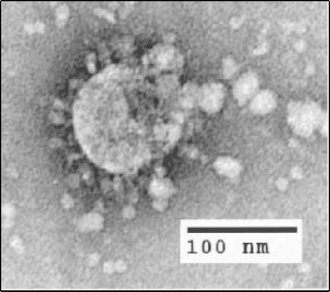
SARS – severe acute respiratory syndrome – alarmed the world five years ago as the first global pandemic of the 21st century. The coronavirus (SARS-CoV) that sickened more than 8,000 people – and killed nearly 800 of them – likely originated in bats, though the actual animal source is not yet known.