Banner
Synchrotron Could Shed Light On Exotic Dark Photons

There are many hypothetical particles proposed to explain dark matter and one idea to explore how...

The Pain Scale Is Broken But This May Fix It

Chronic pain is reported by over 20 percent of the global population but there is no scientific...
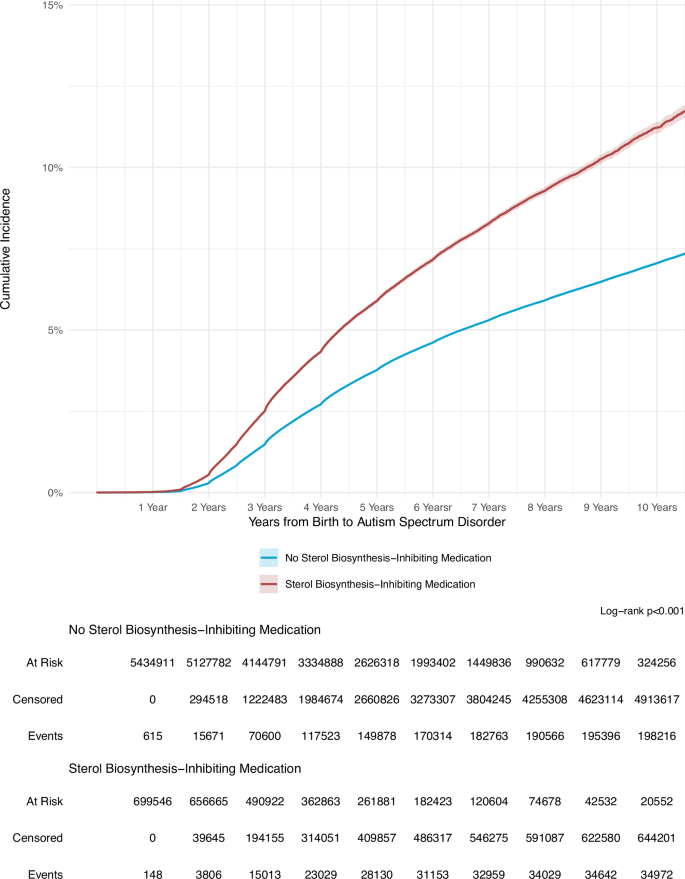
Study Links Antidepressants, Beta-blockers and Statins To Increased Autism Risk

An analysis of 6.14 million maternal-child health records  has linked prescription medications...

Pilot Study: Fibromyalgia Fatigue Improved By TENS Therapy

Fibromyalgia is the term for a poorly-understood condition where people experience pain and fatigue...

User picture.
News StaffRSS Feed of this column.

News Releases From All Over The World, Right To You... Read More »

Blogroll
Breast cancer, the leading cause of death among women in France, is the most commonly occurring cancer in women. Sporadic breast cancer, which is non-hereditary, turns out to be the most widespread, representing 85 to 90% of all cases, but remains the least well-known. Researchers at CNRS and CEA (1), working with a team from Hôpital Saint-Louis (2), have just discovered the cause of 50% of sporadic breast cancers. The results should also explain epidemiological studies which suggest that hormone treatment predisposes patients to breast cancer. The work is published in Cancer Research.
Women who are exposed to hairspray in the workplace during pregnancy have more than double the risk of having a son with the genital birth defect hypospadias, according to a new study published today in the journal Environmental Health Perspectives

The study is the first to show a significant link between hairspray and hypospadias, one of the most common birth defects of the male genitalia, where the urinary opening is displaced to the underside of the penis. The causes of the condition are poorly understood.
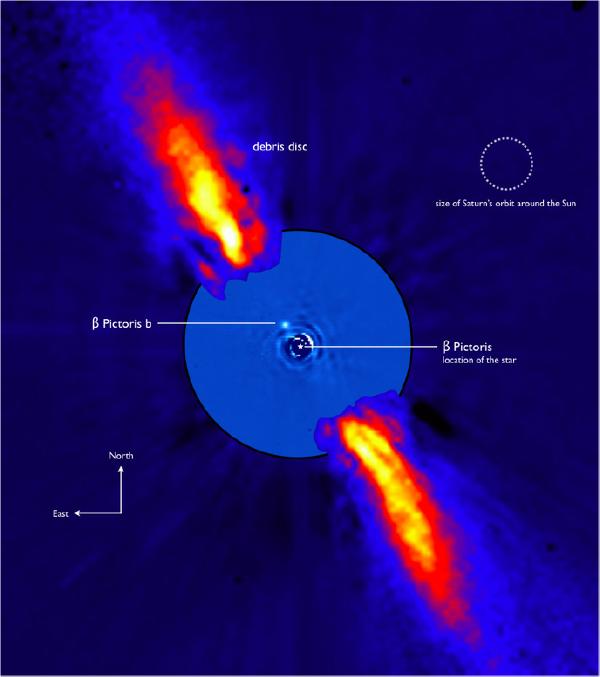
Beta Pictoris is one of the best-known examples of stars surrounded by a dusty 'debris' disc.  Only 12 million years old, the 'baby star' Beta Pictoris is located about 70 light-years away towards the constellation Pictor (the Painter).

Debris discs are composed of dust resulting from collisions among larger bodies like planetary embryos or asteroids. They are a bigger version of the zodiacal dust in our Solar System.
When a flow reaches a certain speed, things get turbulent: The fluid or the gas no longer flows in an orderly fashion but whirls around wildly.  

Turbulent flows in pipes are of importance for many every-day applications. What they all have in common is their appearance: They travel down the pipe bubbling and gurgling like a mountain stream. The flow only calms down when its speed is reduced. Scientists call this calmer state laminar. Crucial for the difference between laminar and turbulent flow are the inner forces that link the water molecule to each other. Only if the influence of these inner forces is smaller than the influence of the forces that accelerate the flow can turbulence appear.
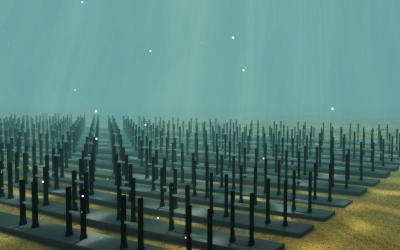
Slow-moving ocean and river currents could be a new, reliable and affordable alternative energy source. A University of Michigan engineer has made a machine that works like a fish to turn potentially destructive vibrations in fluid flows into clean, renewable power.

The machine is called VIVACE. A paper on it is published in the current issue of the quarterly Journal of Offshore Mechanics and Arctic Engineering.

VIVACE is the first known device that could harness energy from most of the water currents around the globe because it works in flows moving slower than 2 knots (about 2 miles per hour.) Most of the Earth's currents are slower than 3 knots. Turbines and water mills need an average of 5 or 6 knots to operate efficiently.
Cordiality and mutually beneficial arrangements can be more important than hard-negotiated deals when it comes to cementing strong working relationships among supply chain partners, according to the Management Insights feature in the current issue of Management Science

In their study, the authors observe that people's actions in economic transactions are motivated by more than incentives. 

Incentives, say the authors, can cause people to be calculating rather than oriented toward a win-win. Behavior is also influenced emotionally by social preferences. In particular, people care about status ("how much do I have relative to you?") and reciprocity ("if you were nice to me, I want to reciprocate; if you were not nice, I want to retaliate").