Banner
Synchrotron Could Shed Light On Exotic Dark Photons

There are many hypothetical particles proposed to explain dark matter and one idea to explore how...

The Pain Scale Is Broken But This May Fix It

Chronic pain is reported by over 20 percent of the global population but there is no scientific...
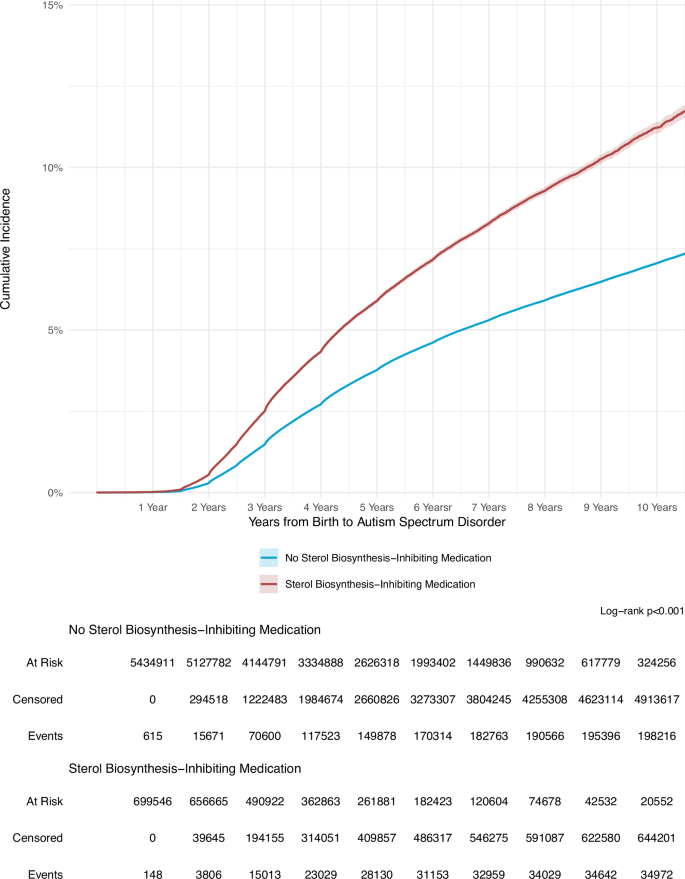
Study Links Antidepressants, Beta-blockers and Statins To Increased Autism Risk

An analysis of 6.14 million maternal-child health records  has linked prescription medications...

Pilot Study: Fibromyalgia Fatigue Improved By TENS Therapy

Fibromyalgia is the term for a poorly-understood condition where people experience pain and fatigue...

User picture.
News StaffRSS Feed of this column.

News Releases From All Over The World, Right To You... Read More »

Blogroll
In a study to be published next week in the Proceedings of the National Academy of Sciences, scientists show that forests may influence the Earth's climate in important ways that have not previously been recognized.

When sunlight reaches the Earth's surface it can either be absorbed and converted to heat or reflected back to outer space, where it doesn't influence the Earth's temperature. Scott Ollinger, a professor at the University of New Hampshire Institute for the Study of Earth, Oceans, and Space and the department of Natural Resources and the Environment and colleagues have discovered that, of the total amount of sunlight that falls on forests, the fraction that gets reflected back to space is directly related to levels of nitrogen in their foliage.
A new study finds that breast cancer patients who participate in intervention sessions focusing on improving mood, coping effectively, and altering health behaviors live longer than patients who do not receive such psychological support. Published in the December 15, 2008 issue of CANCER, a peer-reviewed journal of the American Cancer Society, the study indicates that reducing the stress that can accompany cancer diagnosis and treatment can have a significant impact on patients' survival.

Across Europe, we are transforming into a continent of content-craving 'connect-aholics', according to the findings of the AMD European Connectivity Study of over 5,000 online respondents. Sponsored by AMD, in conjunction with independent research company, YouGov, 77% of respondents said they could not live without daily access to the internet.

This was higher than any other item including access to a car (54%) and to a washing machine (61%).

A new Dutch invention makes it possible to reforest large desert and rocky areas in the coming years, they say. Experiments in the Sahara desert have shown that the WaterBoxx allows trees to grow under harsh conditions and can provide them with sufficient water.

The invention of the Dutch businessman and inventor Pieter Hoff has won the prestigious Beta Dragons Award during the annual Flying Dutchman 2008, Science Technology Summit in Amsterdam. A board of scientists and captains of industry proclaimed his design to be the most promising and innovative project.

Researchers at the University of Utah are enrolling people in a new clinical trial that uses a patient's own stem cells to treat ischemic and non-ischemic heart failure.   The one-year Cardiac Repair Cell Treatment of Patients with Dilated Cardiomyopathy (IMPACT-DCM) study will look at the safety of injecting Cardiac Repair Cells (CRC) and their ability to improve heart function.
The temperature might not be the only thing plummeting this winter. Many people also will experience a decrease in their vitamin D levels, which can play a role in heart disease, according to a new review article in Circulation. 

Vitamin D deficiency results in part from reduced exposure to sunlight, which is common during cold weather months when days are shorter and more time is spent indoors. 

"Chronic vitamin D deficiency may be a culprit in heart disease, high blood pressure and metabolic syndrome," said Sue Penckofer, PhD, RN, study author and professor, Marcella Niehoff School of Nursing, Loyola University Chicago.