Banner
How To Overcome Leadership Battles

In times of social rancor and strife, most will fight each other, but societies are saved by those...
Thousands Of Unpublished Studies Show Why Conservation Efforts Miss The Mark

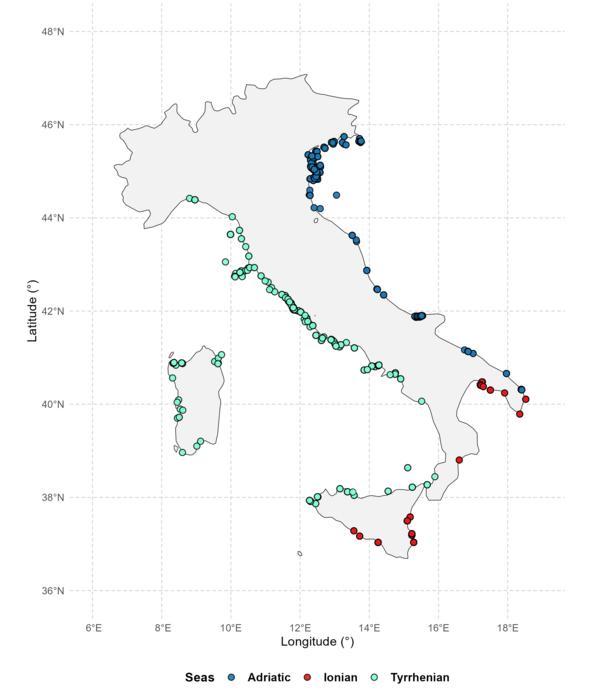
Europe alone has so much unpublished, un-catalogued biological data that it is challenging to take...

Why Antarctic Sea Ice Stopped Growing In 2015

Though numerical models and popular films like An Inconvenient Truth projected Arctic ice...

Wealth Correlated To Loneliness

You may have read that Asian cultures respect the elderly more than Europe but Asian senior citizens...

User picture.
News StaffRSS Feed of this column.

News Releases From All Over The World, Right To You... Read More »

Blogroll

You soon won't have to judge a book by its cover, you'll be able to judge through it. Researchers writing in Nature Communications describe a prototype of an imaging system that can read closed books. They tested on a stack of papers, each with one letter printed on it. The system was able to correctly identify the letters on the top nine sheets.

Three out of four (75 percent) people in the UK are unaware of the link between obesity and cancer, according to a new Cancer Research UK report. The nationwide survey found that people from lower socioeconomic backgrounds are less likely to know about the link. And men are less likely than women to be aware of the increased risk of cancer caused by obesity.

Researchers of Aalto University have made a breakthrough in controlling the motion of multiple objects on a vibrating plate with a single acoustic source. By playing carefully constructed melodies, the scientists can simultaneously and independently move multiple objects on the plate towards desired targets. This has enabled scientists, for instance, writing words consisting of separate letters with loose metal pieces on the plate by playing a melody.

By 1992, environmental activist Jeremy Rifkin claimed, we would achieve Peak Oil. Fossil fuels would begin to decline. Rifkin was just going by an environmental press release but Peak Oil had a long history; almost as long as oil itself.

In 1919, the chief geologist of the United States Geological Survey, said Peak Oil would happen within 3 years, while King Hubbert of Shell Oil predicted in 1956 that Peak Oil would happen by 1971. So by 1992 those claims were only working with a new generation of people who didn't understand science. In reality, math models containing all those variables are unlikely to be right. 

A research team including Professor William Laurance from James Cook University has discovered there has been a catastrophic decline in global wilderness areas during the past 20 years.

The team showed that since the 1990s, one-tenth of all global wilderness has vanished--an area twice the size of Alaska. The Amazon and Central Africa have been hardest hit.

The findings underscore an urgent need for international policies to recognise the value of wilderness and to address unprecedented threats to it, the researchers said.

"Environmental policies are failing the world's vanishing wildernesses," said Professor Laurance.

A new study puts some old folk wisdom to "feed a cold and starve a fever" to the test. In mouse models of disease, Yale researchers looked at the effects of providing nutrients during infection and found opposing effects depending on whether the infections were bacterial or viral. Mice with bacterial infections that were fed died, while those with viral infections who were fed lived. The paper appears September 8 in Cell.