

Banner
How To Overcome Leadership Battles

In times of social rancor and strife, most will fight each other, but societies are saved by those...
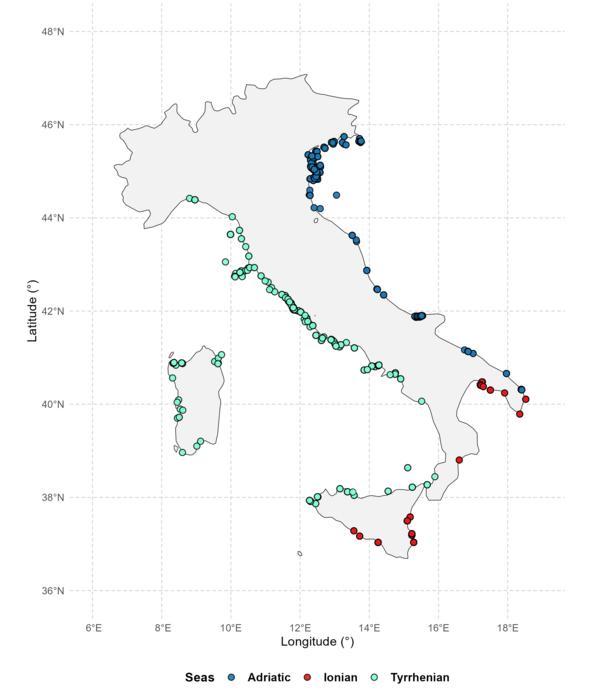
Thousands Of Unpublished Studies Show Why Conservation Efforts Miss The Mark

Europe alone has so much unpublished, un-catalogued biological data that it is challenging to take...

Why Antarctic Sea Ice Stopped Growing In 2015

Though numerical models and popular films like An Inconvenient Truth projected Arctic ice...

Wealth Correlated To Loneliness

You may have read that Asian cultures respect the elderly more than Europe but Asian senior citizens...

User picture.
News StaffRSS Feed of this column.

News Releases From All Over The World, Right To You... Read More »

Blogroll

Researchers from Vrije Universiteit Amsterdam and Radboud University Nijmegen found proof that psychopathic individuals can feel fear, but have trouble in the automatic detection and responsivity to threat. For many decades fear has been put forth as a hallmark feature of psychopathy, the impairments in which would lead to bold risk-taking behavior. Sylco Hoppenbrouwers (VU Amsterdam), Erik Bulten and Inti Brazil (Radboud University) reviewed theoretical and empirical brain and behavioral data pertaining to fear and psychopathy and found that psychopathic individuals have trouble detecting threats. There was however little evidence that the conscious experience of fear was affected, indicating that the experience of fear may not be completely impaired in psychopathy.

DURHAM, N.C. -- All humans are 99.9 percent identical, genetically speaking. But that tiny 0.1 percent variation has big consequences, influencing the color of your eyes, the span of your hips, your risk of getting sick and in some ways even your earning potential.

Although variants are scattered throughout the genome, scientists have largely ignored the stretches of repetitive genetic code once dismissively known as "junk" DNA in their search for differences that influence human health and disease.

In the August 31 issue of Science Translational Medicine, new research from the University of Chicago shows how deficits in a specific pathway of genes can lead to the development of atrial fibrillation, a common irregular heartbeat, which poses a significant health risk.

Researchers describe a complex system of checks and balances, including the intersection of two opposing regulatory methods that work to maintain normal cardiac rhythm, and offer insights that could lead to individualized treatment in humans.

CAMBRIDGE, Mass. (August 31, 2016) - Whitehead Institute scientists have developed a method to quickly isolate and systematically measure metabolite concentrations within the cellular organelles known as mitochondria, often referred to as the "powerhouses of the cell." Prior attempts at such measurements have yielded unreliable results, either by taking too long to isolate mitochondria or by contaminating mitochondrial metabolites with contents from other cellular components.

GALVESTON, Texas - Sometimes the best medicine is the care of family and friends.

A recent study from The University of Texas Medical Branch at Galveston showed that patients with strong social support from family and friends spend less time in an inpatient rehabilitation facility. This study is currently available in the Archives of Physical Medicine and Rehabilitation.

Boston, MA - Patients who had major surgery at high-quality hospitals in the U.S. cost Medicare less than those who had surgery at low-quality hospitals according to a new study led by Harvard T.H. Chan School of Public Health. The difference in Medicare spending was driven primarily by the cost of care in the weeks following surgery.

The study will appear online Wednesday, September 7, 2016 in Health Affairs.

