
Banner
How To Overcome Leadership Battles

In times of social rancor and strife, most will fight each other, but societies are saved by those...

Thousands Of Unpublished Studies Show Why Conservation Efforts Miss The Mark

Europe alone has so much unpublished, un-catalogued biological data that it is challenging to take...

Why Antarctic Sea Ice Stopped Growing In 2015

Though numerical models and popular films like An Inconvenient Truth projected Arctic ice...
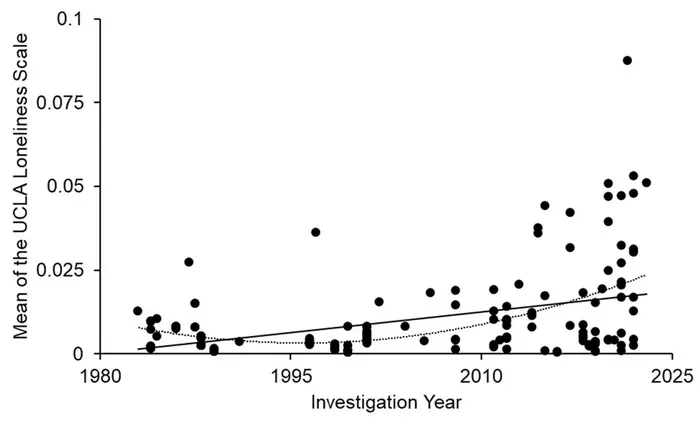
Wealth Correlated To Loneliness

You may have read that Asian cultures respect the elderly more than Europe but Asian senior citizens...

User picture.
News StaffRSS Feed of this column.

News Releases From All Over The World, Right To You... Read More »

Blogroll

CAMBRIDGE, MA -- What if lost limbs could be regrown? Cancers detected early with blood or urine tests, instead of invasive biopsies? Drugs delivered via nanoparticles to specific tissues or even cells, minimizing unwanted side effects? While such breakthroughs may sound futuristic, scientists are already exploring these and other promising techniques.

But the realization of these transformative advances is not guaranteed. The key to bringing them to fruition, a landmark new report argues, will be strategic and sustained support for "convergence": the merging of approaches and insights from historically distinct disciplines such as engineering, physics, computer science, chemistry, mathematics, and the life sciences.

In this Policy Forum, Phillip Sharp, Tyler Jacks and Susan Hockfield discuss the need for better integration of engineering, physical, computational, and mathematical sciences with biomedical science, as they publish a report this week outlining key recommendations in this space. Convergence of physics and engineering in the 20th century led to a wealth of advancements - radios, telephones, cars, planes, computers, the internet - and, if the correct investments and commitments are in place, the biomedical field is poised for similar advancements, these authors say. However, only 3% of the principal scientists currently receiving research grants from the U.S. National Institutes of Health - the major source of research funding for biomedical science in the U.S.

A team of researchers have created a detailed computational model of the electrophysiology of congestive heart failure, a leading cause of death. This "virtual heart" could help medical researchers study new drug therapies - according to the study published in PLOS Computational Biology.

Researchers from the University of California created a model that can simulate subtle changes from the cellular and tissue levels of the heart, up to the whole heart itself, then show the results of the associated electrocardiogram (ECG), a common tool that helps doctors diagnose heart abnormalities.

Washington, DC--Researchers have developed an index to better predict which women may experience faster bone loss across the menopause transition, according to a new study published in the Endocrine Society's Journal of Clinical Endocrinology & Metabolism.

Osteoporosis is often referred to as a "silent" disease because individuals who have it experience few noticeable symptoms. The progressive condition occurs when bones grow structurally weak and become more likely to fracture or break.

Scientists say good bacteria could be the key to keeping coral healthy, able to withstand the impacts of global warming and to secure the long-term survival of reefs worldwide.

"Healthy corals interact with complex communities of beneficial microbes or 'good bacteria'," says Dr. Tracy Ainsworth from the ARC Centre of Excellence for Coral Reef Studies at James Cook University who led the study. "It is very likely that these microorganisms play a pivotal role in the capacity of coral to recover from bouts of bleaching caused by rising temperatures."

Male mice appear to be precisely wired to know when they are intruders in another male's territory, according to a study published June 23 in Cell Reports. The smell gives it away. But this study found that a genetically specific cluster of hypothalamic cells is wired to the olfactory system and responds only when a male mouse enters another male's cage.

"There seems to be a specific part of the brain that says, yeah, this is someone's house, and you need to act accordingly," says lead investigator Larry Zweifel, assistant professor of pharmacology at the University of Washington.

