Banner
How To Overcome Leadership Battles

In times of social rancor and strife, most will fight each other, but societies are saved by those...
Thousands Of Unpublished Studies Show Why Conservation Efforts Miss The Mark

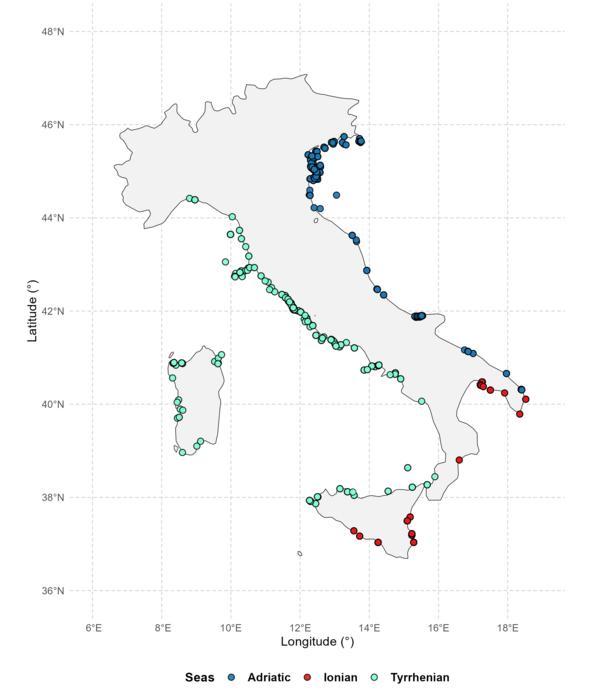
Europe alone has so much unpublished, un-catalogued biological data that it is challenging to take...

Why Antarctic Sea Ice Stopped Growing In 2015

Though numerical models and popular films like An Inconvenient Truth projected Arctic ice...

Wealth Correlated To Loneliness

You may have read that Asian cultures respect the elderly more than Europe but Asian senior citizens...

User picture.
News StaffRSS Feed of this column.

News Releases From All Over The World, Right To You... Read More »

Blogroll

One of the major issues associated with longer life expectancy in man and his best friend is an increase in the incidence of cancer.

Dr Ali Mobasheri, an Associate Professor from the School of Veterinary Medicine and Science at The University of Nottingham, says that studying tumors in dogs and humans could give us a better understanding of their shared pathogenesis.

Cancer is the single biggest cause of death in dogs over the age of 2. The incidence of bone cancers, skin cancers, and lymphomas is increasing in humans and dogs and there are significant similarities between certain types of human and canine cancer – such as breast and prostate cancer.

A team of led by Norwich BioScience Institutes Professor Nick Harberd have discovered how plants evolved the ability to adapt to changes in climate and environment.

Plants adapt their growth, including key steps in their life cycle such as germination and flowering, to take advantage of environmental conditions. They can also repress growth when their environment is not favorable. This involves many complex signalling pathways which are integrated by the plant growth hormone gibberellin.

A semiconductor membrane designed by researchers at the University of Illinois could offer more flexibility and better electrical performance than biological membranes. Built from thin silicon layers doped with different impurities, the solid-state membrane also could be used in applications such as single-molecule detection, protein filtering and DNA sequencing.

“By creating nanopores in the membrane, we can use the membrane to separate charged species or regulate the flow of charged molecules and ions, thereby mimicking the operation of biological ion channels,” said lead researcher Jean-Pierre Leburton, the Stillman Professor of Electrical and Computer Engineering at Illinois.

Current strict environmental legislation demands advanced concepts to reduce the emission of harmful gasses by cars. Reducing the emission of nitrous oxides (NOx) emitted by diesel and lean-burn petrol engines is one of the challenges faced.

These economical engines produce exhaust fumes that are particularly rich in oxygen and therefore the conventional three-way catalytic converter is not suitable for converting the generated NOx into nitrogen. The current trend is therefore to add specific components such as barium to the catalytic converter to store the NOx formed.

Dutch researcher Karen Scholz has taken a careful look at the properties of a new type of catalytic converter.

A new University of Colorado at Boulder study shows people have the ability to suppress emotional memories with practice, which has implications for those suffering from conditions ranging from post-traumatic stress disorder to depression.

The study, which measured brain activity in test subjects who were trained to suppress memories of negative images, indicated two mechanisms in the prefrontal region of the brain were at work, said CU-Boulder doctoral candidate Brendan Depue, lead study author. The study may help clinicians develop new therapies for those unable to suppress emotionally distressing memories associated with disorders like post-traumatic stress disorder, phobias, depression, anxiety and obsessive-compulsive syndrome, he said.

Scientists have only recently begun to speculate that what’s referred to as “junk” DNA – the 96 percent of the human genome that doesn’t encode for proteins and previously seemed to have no useful purpose – is present in the genome for an important reason. But it wasn’t clear what the reason was. Now, researchers at the University of California, San Diego have discovered one important function of so-called junk DNA.

Genes, which make up about four percent of the genome, encode for proteins, “the building blocks of life.” An international collaboration of scientists led by Michael G.