
Banner
How To Overcome Leadership Battles

In times of social rancor and strife, most will fight each other, but societies are saved by those...

Thousands Of Unpublished Studies Show Why Conservation Efforts Miss The Mark

Europe alone has so much unpublished, un-catalogued biological data that it is challenging to take...

Why Antarctic Sea Ice Stopped Growing In 2015

Though numerical models and popular films like An Inconvenient Truth projected Arctic ice...
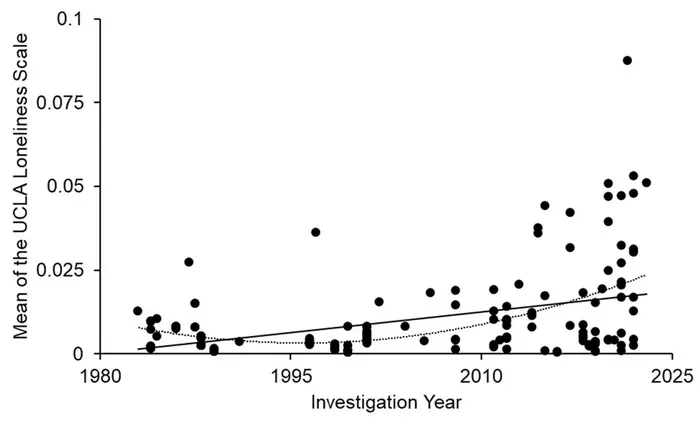
Wealth Correlated To Loneliness

You may have read that Asian cultures respect the elderly more than Europe but Asian senior citizens...

User picture.
News StaffRSS Feed of this column.

News Releases From All Over The World, Right To You... Read More »

Blogroll

Researchers from the European Molecular Biology Laboratory now reveal that the hypothalamus and its hormones are not purely vertebrate inventions, but have their evolutionary roots in marine, worm-like ancestors.

Hormones control growth, metabolism, reproduction and many other important biological processes. In humans, and all other vertebrates, the chemical signals are produced by specialized brain centers such as the hypothalamus and secreted into the blood stream that distributes them around the body.

Hormone-secreting brain centers are much older than expected and likely evolved from multifunctional cells of the last common ancestor of vertebrates - flies and worms.

The so-called Ret Chip, the world's first genetic chip to be produced for diagnosing hereditary diseases of the retina in a genetic examination, will become available in mid-July. The chip is the largest to be used to date for the diagnosis of human hereditary disorders. It was developed by a team of scientists headed by Professor Bernhard Weber at the Institute for Human Genetics at the University Hospital Regensburg.

In Europe roughly one child in 4,000 is born with a hereditary retina disorder. The most common disorder is retinitis pigmentosa, of which there are a number of different variants. Although ophthalmologists can diagnose the destruction of nerve cells in the retina, in most cases they can’t offer patients any treatment.

The core of the gaming industry has always been young men with plenty of free time but increasingly investors and developers are trying to attract the casual gamers, including women, who have less time and infrequent contiguous blocks but are still interesting in being part of the gaming experience.

This new genre is called ‘casual games’ and is attracting players from all around the world. "These new games are quick to learn and the focus is on fun rather than on making the games difficult or time consuming", explains lecturer Jesper Juul, who has through his research placed a focus on computer game design at the IT University of Copenhagen.

It's long been known that a woman's chance of getting breast cancer is related to family medical history.

It turns out that surviving it may also be inherited. Research published in the online journal Breast Cancer Research suggests that if a woman succumbs to breast cancer her daughters or sisters are over 60 percent more likely to die within five years if they develop the disease.

A research team including University of Central Florida Microbiology Professor Keith Ireton is using the bacterial pathogen Listeria Monocytogenes to understand the mechanisms of cell growth and cancer development.

In research published this month in the Journal of Biological Chemistry, the team found that a Listeria protein called InlB induces internalization and degradation of a human receptor known as Met. Met has been implicated in the development of some cancers.

Tiny plastic fibers could be the key to some diverse technologies in the future -- including self-cleaning surfaces, transparent electronics, and biomedical tools that manipulate strands of DNA.

Ohio State University researchers describe how they created surfaces that, seen with the eye, look as flat and transparent as a sheet of glass. But seen up close, the surfaces are actually carpeted with tiny fibers.

The patent-pending technology involves a method for growing a bed of fibers of a specific length, and using chemical treatments to tailor the fibers' properties, explained Arthur J.




