
Banner
How To Overcome Leadership Battles

In times of social rancor and strife, most will fight each other, but societies are saved by those...
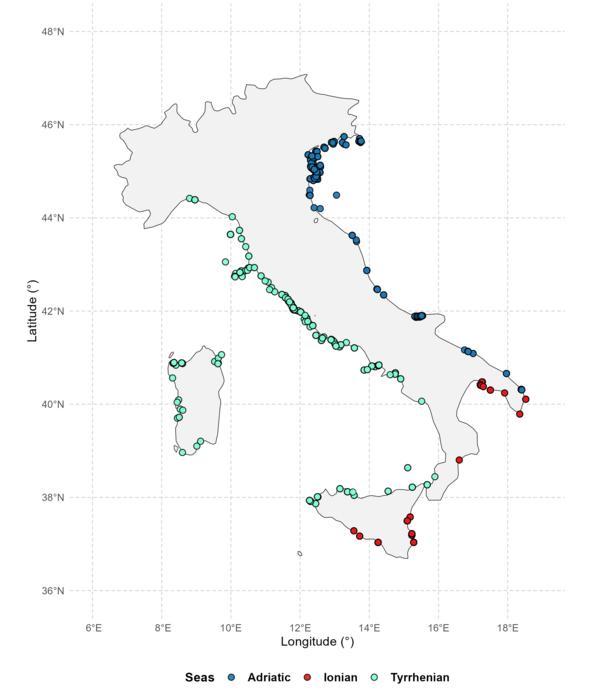
Thousands Of Unpublished Studies Show Why Conservation Efforts Miss The Mark

Europe alone has so much unpublished, un-catalogued biological data that it is challenging to take...

Why Antarctic Sea Ice Stopped Growing In 2015

Though numerical models and popular films like An Inconvenient Truth projected Arctic ice...
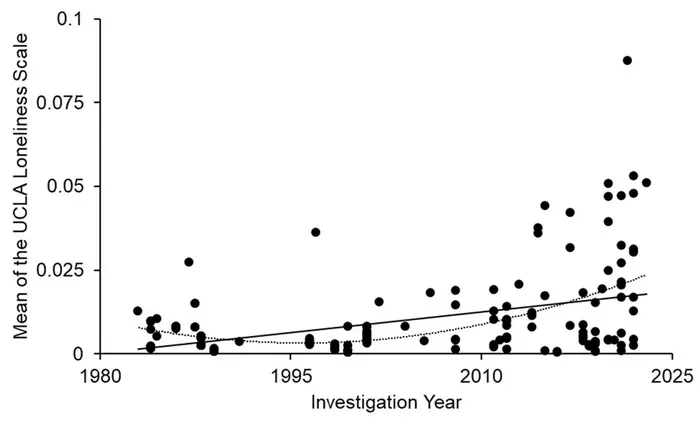
Wealth Correlated To Loneliness

You may have read that Asian cultures respect the elderly more than Europe but Asian senior citizens...

User picture.
News StaffRSS Feed of this column.

News Releases From All Over The World, Right To You... Read More »

Blogroll

A hundred years since Russian microbiologist Elie Metschnikow first discovered the invertebrate immune system, scientists are only just beginning to understand its complexity. Presenting their findings at a recent European Science Foundation (ESF) conference, scientists showed that invertebrates have evolved elaborate ways to fight disease.

By studying starfish, Metschnikow was the first to see cells digesting bacteria, a process he called phagocytosis (the eating of cells by other cells). Phagocytosis, it turns out, is an important immune defence in all living things. Since Metschnikow’s work, scientists have studied the immune systems of simpler organisms (such as invertebrates) in the hope of understanding the immune systems of more complex organisms, like us.

Compared to people with normal vision, those who were blind at birth tend to have excellent memories. A new study shows that blind individuals are particular whizzes when it comes to remembering things in the right order.

The findings are a good example of the familiar adage that “practice makes perfect” and reveal that mental capabilities may be refined or adjusted in order to compensate for the lack of a sensory input, according to researchers Noa Raz and Ehud Zohary of Hebrew University.

“Our opinion is that the superior serial memory of the blind is most likely a result of practice,” Zohary said. “In the absence of vision, the world is experienced as a sequence of events.

Laboratory measurements of a high-pressure mineral believed to exist deep within the Earth show that the mineral may not, as geophysicists hoped, have the right properties to explain a mysterious layer lying just above the planet’s core.

A team of scientists, led by Sébastien Merkel, of the University of California, Berkeley, made the first laboratory study of the deformation properties of a high-pressure silicate mineral named post-perovskite.

The genes that make up the immune system of the Aedes aegypti mosquito which transmits deadly viral diseases to humans have been identified in new research out today in Science.

The immune system of this mosquito is of great importance as scientists believe it plays a key role in controlling the transmission of viruses that cause yellow and dengue fevers – diseases that infect over 50 million people worldwide every year.

Scientists have provided new details about how proteins used to destroy bacteria and viruses may help treat Alzheimer’s disease. Gunnar K. Gouras, associate professor of neurology and neuroscience at Weill Medical College of Cornell University, New York, and colleagues provide new insights into how these proteins, called antibodies, reduce the main hallmarks of Alzheimer’s disease and raise hopes for a vaccine against the disease.

“Antibodies are probably the most promising experimental approach to fight Alzheimer’s disease at this time,” Gouras says. “The discoveries made using antibodies are so encouraging that results of ongoing vaccine trials against the disease are much anticipated.”

It may not seem so at the time, but women who suffer through morning sickness during their pregnancies actually may be fortunate.

Those women may have a 30 percent lower risk of developing breast cancer later in life than mothers-to-be who experience nine nausea-free months, a new study by epidemiologists at the University at Buffalo suggests.

“Although the exact mechanism responsible for causing nausea and vomiting during pregnancy has yet to be pinpointed, it likely is a result of changing levels of ovarian and placental hormone production, which may include higher circulating levels of a hormone called human chorionic gonadotropin,” said David Jaworowicz, Jr., first author on the study.





