
Banner
How To Overcome Leadership Battles

In times of social rancor and strife, most will fight each other, but societies are saved by those...
Thousands Of Unpublished Studies Show Why Conservation Efforts Miss The Mark

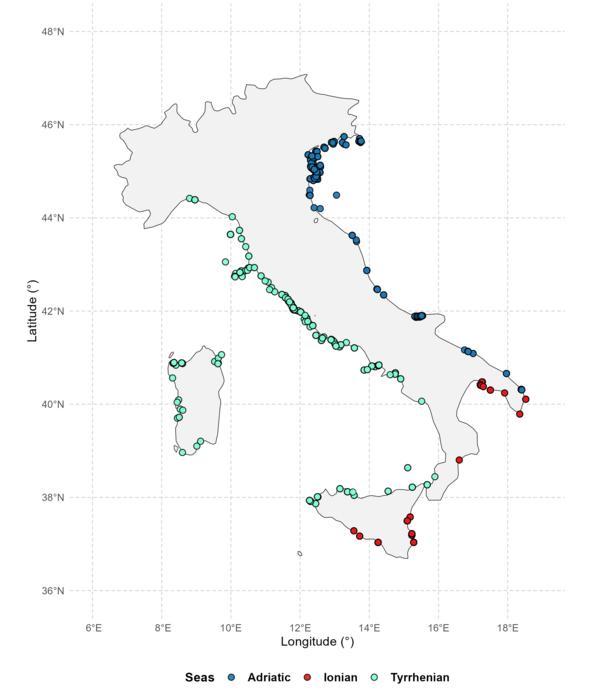
Europe alone has so much unpublished, un-catalogued biological data that it is challenging to take...

Why Antarctic Sea Ice Stopped Growing In 2015

Though numerical models and popular films like An Inconvenient Truth projected Arctic ice...

Wealth Correlated To Loneliness

You may have read that Asian cultures respect the elderly more than Europe but Asian senior citizens...

User picture.
News StaffRSS Feed of this column.

News Releases From All Over The World, Right To You... Read More »

Blogroll

Worcester, Mass. - Within each of our cells is a distribution system that uses molecular motors and filaments to move proteins, organelles, and other tiny bits of cargo along its inner framework, or cytoskeleton. To achieve this feat, the motors and filaments must tug on flexible membranes that surround the cargo packages, but these membranes, made of fatty molecules called lipids, are extremely slippery. Scientists have long wondered how the molecular transport machinery is able to maintain its grip.

HOUSTON - (June 27, 2016) - Infertility affects about 15 percent of couples around the world. A couple's fertility depends on both the female's and male's ability to reproduce, which relies on thousands of genes working properly. In the male mouse, more than 1,000 genes are predominantly expressed in the testis, but their particular functions in reproduction are still a mystery. In a report published today in the Proceedings of the National Academy of Sciences, researchers from Baylor College of Medicine, Osaka University, University of Oulu and the Wellcome Trust Sanger Institute have discovered that 54 of the mouse testis-enriched genes, that also are expressed in humans, are not necessary for male fertility.

(NEW YORK June 27, 2016) The 2009 swine H1N1 flu pandemic -- responsible for more than 17,000 deaths worldwide -- originated in pigs from a very small region in central Mexico, a research team headed by investigators at the Icahn School of Medicine at Mount Sinai is reporting.

The scientists say their findings, published in the journal eLife, represent the first time that the origin of an influenza pandemic virus has been determined in such detail.

PULLMAN, Wash. - Washington State University researchers have developed a new software tool that will improve scientists' ability to identify and understand bacterial strains and accelerate vaccine development.

RepeatAnalyzer is able to track, manage, analyze and catalogue the short, repeating sequences of bacterial DNA.

The researchers used the software to characterize Anaplasma marginale, a tick-borne bacteria that affects cattle, and published their work in the journal BMC Genomics. The research team includes computer science student Helen Catanese; Kelly Brayton, Department of Veterinary Microbiology and Pathology; and Assefaw Gebremedhin, School of Electrical Engineering and Computer Science.

Since June 23, 2016 over two dozen people have been reported killed and hundreds of homes have been destroyed by flooding in West Virginia. Using satellite data, NASA calculated the heavy rainfall that occurred over the state.

The governor of West Virginia declared a federal disaster after the worst flooding in a century. The prevalence of rough terrain in West Virginia has amplified the effects of flooding rainfall. The National Weather Service predicted that thunderstorms were going to fall in the area again today. More flash flooding with streams again coming out of their banks has been predicted.

COLUMBUS, OH - In the northern hemisphere, peak ultraviolet radiation exposure is predicted to occur between 2010 and 2020. Decreases in ozone lead to increased exposure to wavelengths in the ultraviolet range, and ultraviolet radiation in turn affects plants' ability to effectively use photosynthesis for growth and development. Scientists say large land areas could be affected by UV-B exposure on turfgrasses that are typically cut high, such as those grasses used for residential lawns, so identifying grasses that can grow in evaluated UV-B conditions is crucial.

