
Banner
How To Overcome Leadership Battles

In times of social rancor and strife, most will fight each other, but societies are saved by those...
Thousands Of Unpublished Studies Show Why Conservation Efforts Miss The Mark

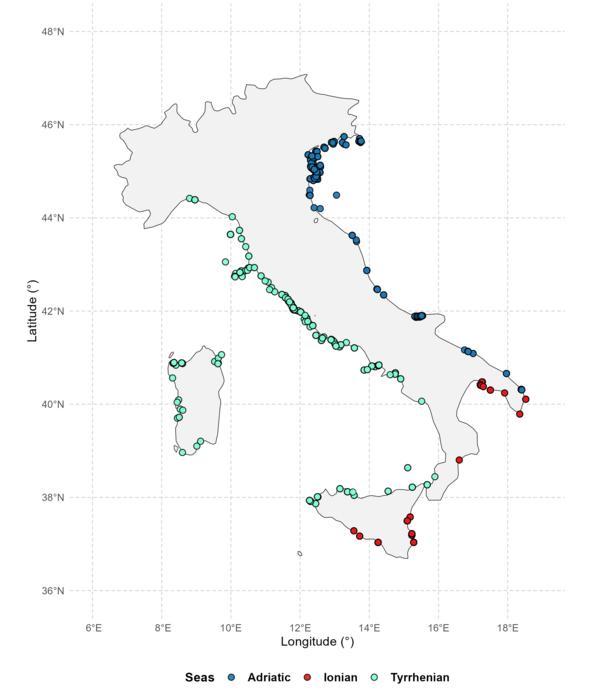
Europe alone has so much unpublished, un-catalogued biological data that it is challenging to take...

Why Antarctic Sea Ice Stopped Growing In 2015

Though numerical models and popular films like An Inconvenient Truth projected Arctic ice...

Wealth Correlated To Loneliness

You may have read that Asian cultures respect the elderly more than Europe but Asian senior citizens...

User picture.
News StaffRSS Feed of this column.

News Releases From All Over The World, Right To You... Read More »

Blogroll

Ugandan children who received the combination therapy of artemether-lumefantrine experienced a lower rate of treatment failure compared to other combination therapies, according to a study in the May 23/30 issue of JAMA, a theme issue on malaria.

Malaria is one of the leading causes of death in children in Africa. One of the reasons the control of malaria has been difficult is because of increasing resistance to some drugs, leading to changes in antimalarial treatment recommendations, according to background information in the article. Combination therapies have replaced monotherapies as the recommended treatments for uncomplicated malaria. However, it is not clear which treatment regimens are most effective.

Pancreatic cancer is among the deadliest of today's cancers due to limited tools for early diagnosis and few effective treatments. Research presented today takes a closer look at pancreatic cancer and the conditions that may lead to it, such as chronic pancreatitis, to evaluate the progress made to date, as well as the promising new applications of technology that will improve survival rates in the coming years. DDW is the largest international gathering of physicians and researchers in the fields of gastroenterology, hepatology, endoscopy and gastrointestinal surgery.

Scientists have made a breakthrough in understanding how cancers spread in what could lead to new ways of beating the disease.

The University of Manchester study used embryonic stem (ES) cells to investigate how some tumours are able to migrate to other parts of the body, which makes the treatment of cancer much more difficult.

Dr Chris Ward, in the University’s Faculty of Medical and Human Sciences, studied a crucial change that makes cancer cells able to start moving and spread into other tissues.

Normal cells, as well as early cancer cells, are called epithelial cells because they bind tightly to each other forming stable layers of tissue. However, as a tumour becomes more advanced, some of the cells change to become ‘mesenchymal’.

Circadian clocks regulate the timing of biological functions in almost all higher organisms. Anyone who has flown through several time zones knows the jet lag that can result when this timing is disrupted.

Now, new research by Cornell and Dartmouth researchers explains the biological mechanism behind how circadian clocks sense light through a process that transfers energy from light to chemical reactions in cells.

Colonoscopies are considered the gold standard for detecting colon cancer, the second leading cause of cancer deaths in the United States. Research presented today at Digestive Disease Week® 2007 (DDW®) discusses contributing factors that could prevent patients from getting optimal results from their colonoscopy, including age of the patient, location of the screening and proper technician training.

Scientists have refuted a longstanding theory of how HIV slowly depletes the body’s capacity to fight infection, in new research published today.

The researchers were looking at T helper cells, a class of white blood cells which recognise infection and co-ordinate the body’s immune defences. They are attacked by HIV, and their numbers gradually decline in HIV positive patients. It has long been a major puzzle why this process of depletion is so slow, often taking 10 years or more.




