

Banner
How To Overcome Leadership Battles

In times of social rancor and strife, most will fight each other, but societies are saved by those...
Thousands Of Unpublished Studies Show Why Conservation Efforts Miss The Mark

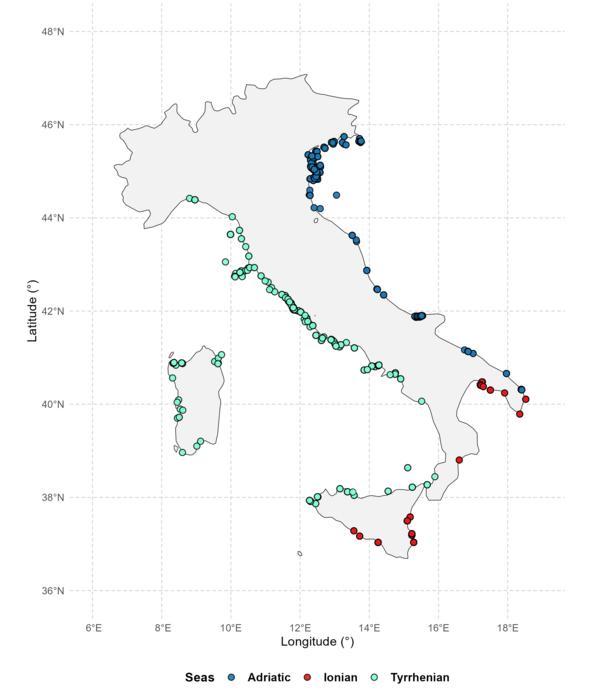
Europe alone has so much unpublished, un-catalogued biological data that it is challenging to take...

Why Antarctic Sea Ice Stopped Growing In 2015

Though numerical models and popular films like An Inconvenient Truth projected Arctic ice...
Wealth Correlated To Loneliness

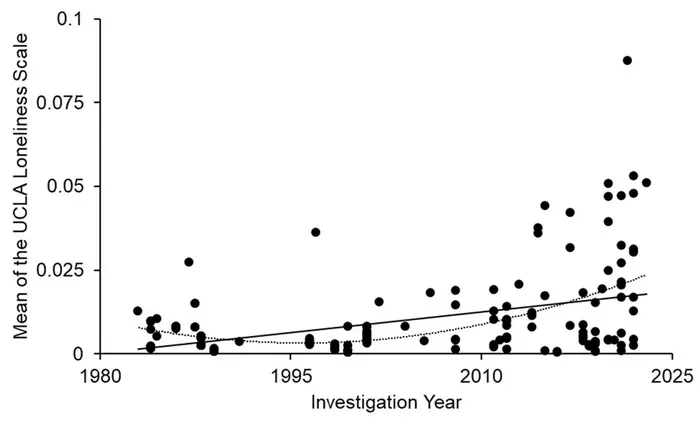
You may have read that Asian cultures respect the elderly more than Europe but Asian senior citizens...

User picture.
News StaffRSS Feed of this column.

News Releases From All Over The World, Right To You... Read More »

Blogroll

A team of scientists announced today confirmation of a link between massive volcanic eruptions along the east coast of Greenland and in the western British Isles about 55 million years ago and a period of global warming that raised sea surface temperatures by five degrees (Celsius) in the tropics and more than six degrees in the Arctic.

The study is important, experts say, because it documents the Earth’s response to the release of large amounts of greenhouse gases – carbon dioxide and methane – into the atmosphere, and definitively links a major volcanic event with a period of global warming.

A major study has shed new light on the dim layer of the ocean called the "twilight zone"—where mysterious processes affect the ocean's ability to absorb and store carbon dioxide accumulating in our atmosphere.

The results of two international research expeditions show that carbon dioxide — taken up by photosynthesizing marine plants in the sunlit ocean surface layer — does not necessarily sink to the depths, where it is stored and prevented from re-entering the atmosphere as a greenhouse gas. Instead, carbon transported to the depths on sinking marine particles is often consumed by animals and bacteria and recycled in the twilight zone—100 to 1,000 meters below the surface—and never reaches the deep ocean.

Terahertz (THz) radiation, or far-infrared light, can penetrate clothing and other materials to provide images of concealed weapons, drugs, or other objects. However, THz scanners must usually be very close to the objects they are imaging because water vapor in air absorbs THz radiation so strongly that most of it never reaches the object to be imaged.

Tiny pores within plant cells may hold promise for green fuels.

Researchers have discovered that particles from cornstalks undergo previously unknown structural changes when processed to produce ethanol, an insight they said will help establish a viable method for large-scale production of ethanol from plant matter.


A magnified image of a cornstalk particle shows the many tiny pores that pretreatment -- a phase of the ethanol production process -- opens up. These pores create more surface area for subsequent reactions to take place and give enzymes better access to cellulose, the source for cellulosic ethanol.

Armed with more than a decade’s worth of statistics, researchers are sounding a new alarm about growing rates of syphilis among gay and bisexual men.

The overall number of syphilis cases in the United States fell from 50,578 in 1990 to just 7,177 in 2003 perhaps because of a nationwide prevention campaign aimed at heterosexuals. Nevertheless, gay men have seen their rates rise significantly in this decade.

A generation of children born with HIV are now coming of age and reaching sexual maturity. Girls in this group who are sexually active are experiencing a higher number than expected of cervical abnormalities, a new study finds.

Researchers monitored the rate of first-time pregnancies, genital health and Pap test results of 638 girls, ages13 and over, who became infected with HIV around the time of birth. Nearly 50 percent of the girls had abnormal cervical cells.





