
Banner
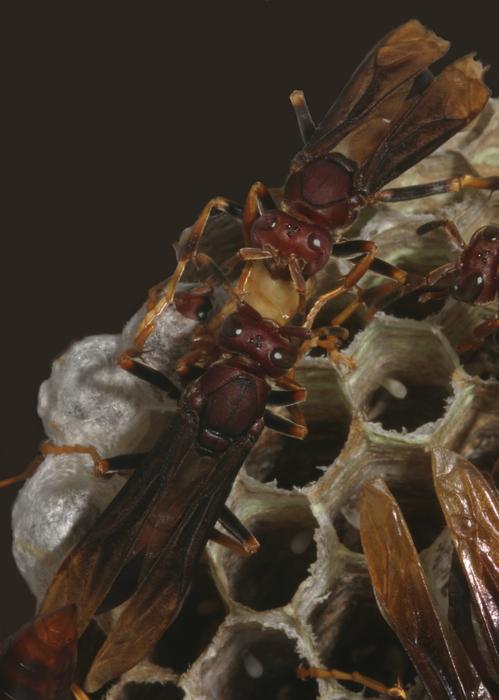
How To Overcome Leadership Battles

In times of social rancor and strife, most will fight each other, but societies are saved by those...
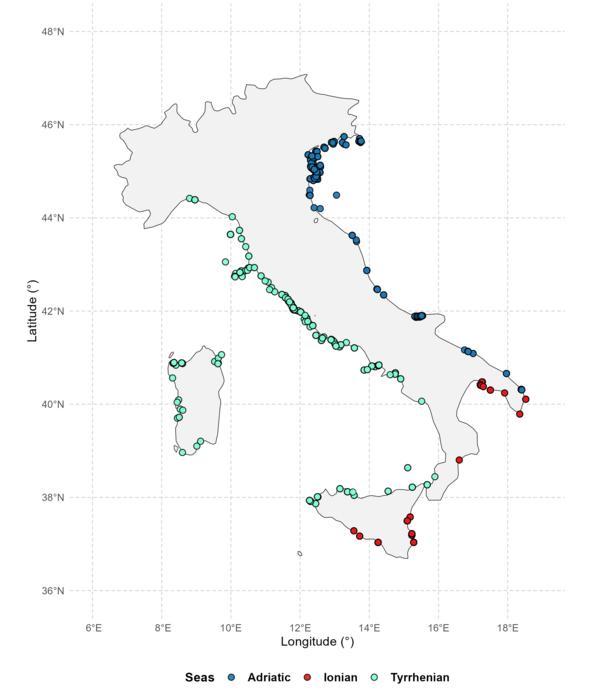
Thousands Of Unpublished Studies Show Why Conservation Efforts Miss The Mark

Europe alone has so much unpublished, un-catalogued biological data that it is challenging to take...

Why Antarctic Sea Ice Stopped Growing In 2015

Though numerical models and popular films like An Inconvenient Truth projected Arctic ice...
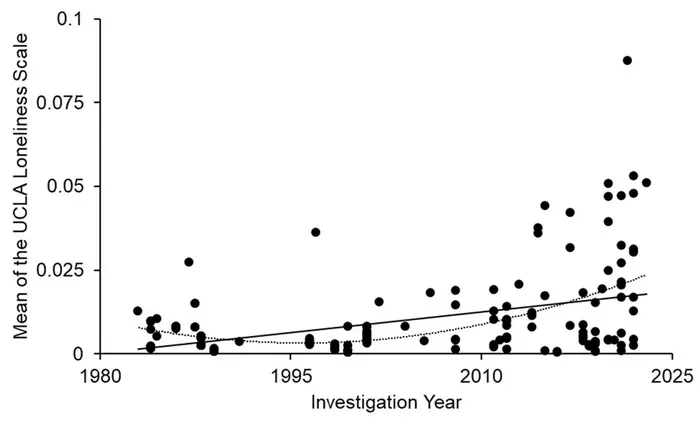
Wealth Correlated To Loneliness

You may have read that Asian cultures respect the elderly more than Europe but Asian senior citizens...

User picture.
News StaffRSS Feed of this column.

News Releases From All Over The World, Right To You... Read More »

Blogroll

Genomic research has the potential to improve global health by elucidating basic mechanisms of disease, susceptibility, and resistance, thereby guiding the development of preventive interventions [1]. Recently developed methods for exploring how human genetic variation affects resistance are likely to provide strategic clues about vaccine development for researchers working on malaria, HIV, tuberculosis, and other diseases of the developing world [2].

Early menarche tends to be preceded by rapid infancy weight gain and is associated with increased childhood and adult obesity risk. As age at menarche is a heritable trait, we hypothesised that age at menarche in the mother may in turn predict her children's early growth and obesity risk.

Proper formation of the proteins that power heart and skeletal muscle seems to rely on a precise concentration of a "chaperone" protein known as UNC-45, according to a new study.

This basic discovery may have important implications for understanding and eventually treating heart failure and muscle wasting elsewhere in the body resulting from burns, brain trauma, diabetes, cancer and the effects of aging, the senior author of the paper said. The finding resulted from experiments using tiny, genetically engineered worms at the University of Texas Medical Branch at Galveston (UTMB), and is reported in a paper featured on the cover of the April 23, 2007, issue of the Journal of Cell Biology.

Controlling the properties and behavior of matter at the smallest scale—in effect, "domesticating atoms"—can help to overcome some of the world’s biggest challenges, concludes a new report on how diverse experts view the future of nanotechnology. Released today, NanoFrontiers: Visions for the Future of Nanotechnology, summarizes discussions among over 50 scientists, engineers, ethicists, policymakers, and other experts, as well as information gathered in follow-up interviews and from specially prepared background papers, about the long-term potential of nanotechnology.

Imagine a world where damaged organs in your body—kidneys, liver, heart—can be stimulated to heal themselves. Envision people tragically paralyzed whose injured spinal cords can be repaired. Think about individuals suffering from the debilitating effects of Parkinson’s or Alzheimer’s relieved of their symptoms – completely and permanently.

Want to keep kids thin? Clore Laboratory at the University of Buckingham is supplementing infant formula and other baby foods with leptin,the hunger hormone. Researchers say it could provide permanent protection from obesity and diabetes into adulthood and could be on shop shelves soon.

Those who take the foods early in life should remain permanently slim. 'Like those people who are lean by nature even though they overeat ? like we all do – they will tend to be inefficient in terms of using energy,' says Mike Cawthorne, who heads the Metabolic Research group at Clore.





