
Banner
How To Overcome Leadership Battles

In times of social rancor and strife, most will fight each other, but societies are saved by those...
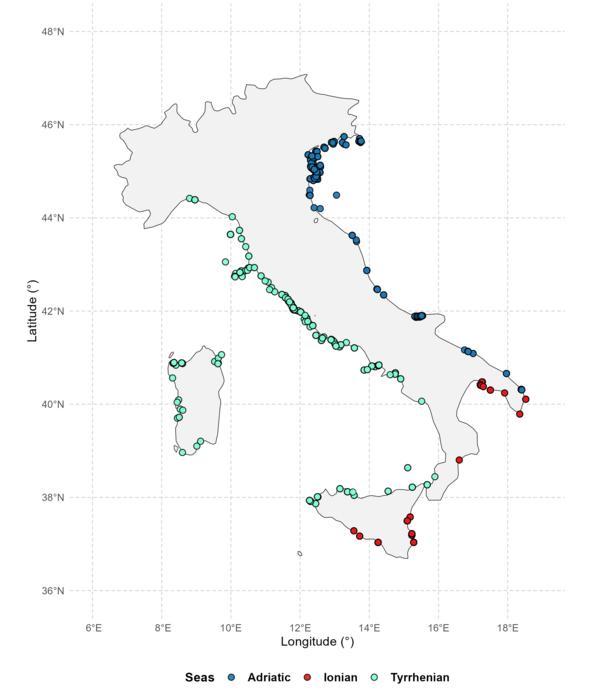
Thousands Of Unpublished Studies Show Why Conservation Efforts Miss The Mark

Europe alone has so much unpublished, un-catalogued biological data that it is challenging to take...

Why Antarctic Sea Ice Stopped Growing In 2015

Though numerical models and popular films like An Inconvenient Truth projected Arctic ice...
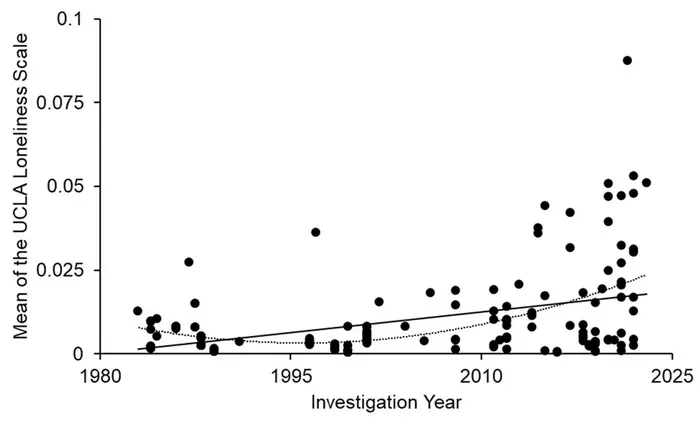
Wealth Correlated To Loneliness

You may have read that Asian cultures respect the elderly more than Europe but Asian senior citizens...

User picture.
News StaffRSS Feed of this column.

News Releases From All Over The World, Right To You... Read More »

Blogroll

EU legislation to promote the uptake of biodiesel will not make any difference to global warming, and could potentially result in greater emissions of greenhouse gases than from conventional petroleum derived diesel. This is the conclusion of a new study reported today in Chemistry & Industry.

Analysts at SRI Consulting compared the emissions of greenhouse gases by the two fuels across their overall life cycles from production to combustion in cars.

A spectacular fossilised forest has transformed our understanding of the ecology of the Earth’s first rainforests. It is 300 million years old.

The forest is composed of a bizarre mixture of extinct plants: abundant club mosses, more than 40 metres high, towering over a sub-canopy of tree ferns, intermixed with shrubs and tree-sized horsetails. Nowhere elsewhere on the planet is it possible to (literally) walk through such an extensive swathe of Carboniferous rainforest.


Detail of a pteridosperm, an extinct seed-producing fern-like plant. Width across image about six centimeters. Credit: Dr. Howard Falcon-Lang

Medical professionals conducting clinical trials should provide more information about financial conflicts of interest before they talk to patients about participating in the trials.

That is one of the main conclusions of a new survey by researchers from Duke University Medical Center and Johns Hopkins University. Their study found that 41 percent of the clinical trial coordinators surveyed had experience disclosing financial aspects of the trial to potential participants, and 28 percent of the coordinators had been asked by participants about potential financial conflicts.

New research from Columbia's Primate Cognition Laboratory has demonstrated for the first time that monkeys could acquire meta-cognitive skills: the ability to reflect about their thoughts and to assess their performance.

The study was a collaborative effort between Herbert Terrace, Columbia professor of psychology & psychiatry, and director of its Primate Cognition Laboratory, and two graduate students, Lisa Son — now professor of psychology at Barnard College — and UCLA postdoctoral researcher Nate Kornell.


The test used touch-screen technology and a multiple-choice format. Six novel photographs were presented at the beginning of each trial, one at a time.

Cilia, tiny hair-like structures that propel mucus out of airways, have to agree on the direction of the fluid flow to get things moving. Researchers at the Salk Institute for Biological Studies discovered a novel two-step mechanism that ensures that all cilia beat in unison.

Their study, published in Nature, reveals that during early embryonic development, cilia point more or less in the general direction of the body's back end and start creating a weak flow. During the following refinement phase, all cilia get in line and trim their sails to the prevailing winds.


Two ciliated cells showing cilia (green) and basal bodies (red).

Huntington’s disease, an inherited neurodegenerative disorder that affects roughly 30,000 Americans, is incurable and fatal. But a new discovery about how cells repair their DNA points to a possible way to stop or slow the onset of the disease. The research was funded by the National Institutes of Health (NIH).

"As so often happens, basic research on a fundamental biological process—in this case, enzymes involved in DNA repair—leads to new insights about how diseases arise and new approaches for treating or preventing them," said NIH Director Elias A. Zerhouni, M.D.


Artistic rendering of a broken DNA helix emanating from a mouse nerve cell.


