
Banner
How To Overcome Leadership Battles

In times of social rancor and strife, most will fight each other, but societies are saved by those...
Thousands Of Unpublished Studies Show Why Conservation Efforts Miss The Mark

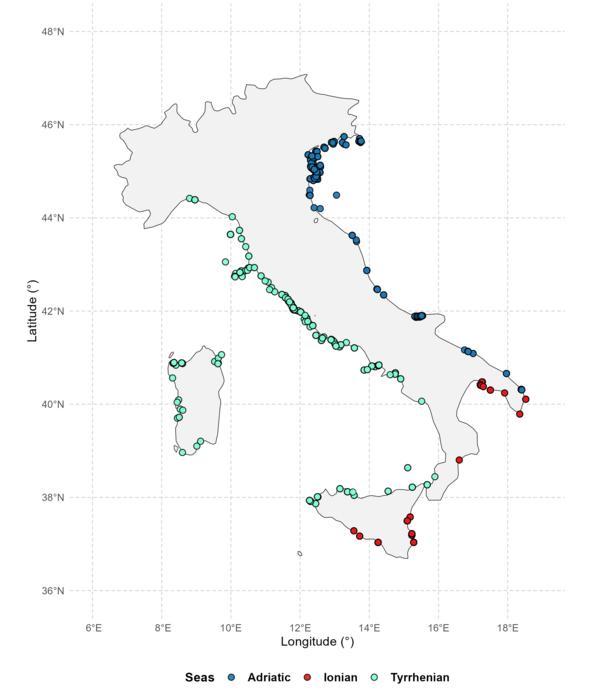
Europe alone has so much unpublished, un-catalogued biological data that it is challenging to take...

Why Antarctic Sea Ice Stopped Growing In 2015

Though numerical models and popular films like An Inconvenient Truth projected Arctic ice...
Wealth Correlated To Loneliness

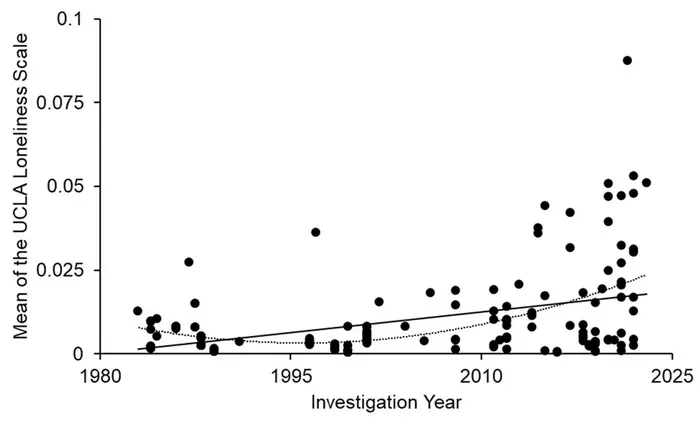
You may have read that Asian cultures respect the elderly more than Europe but Asian senior citizens...

User picture.
News StaffRSS Feed of this column.

News Releases From All Over The World, Right To You... Read More »

Blogroll

Crucial peatlands carbon-sink vulnerable to rising sea levels, research shows

Rising sea-levels linked to global warming could pose a significant threat to the effectiveness of the world's peatland areas as carbon sinks, a new study has shown.

The pioneering new study, carried out by Geographers at the University of Exeter, examined the impact that salt found in sea water has on how successfully peatland ecosystems accumulate carbon from the atmosphere.

pic

Crucial peatlands carbon-sink vulnerable to rising sea levels. Credit: Alex Whittle / University of Exeter

Fog, blizzards, gusts of wind - poor weather can often make the operation of rescue helicopters a highly risky business, and sometimes even impossible. A new helmet-mounted display, developed by researchers at the Technical University of Munich (TUM), may in the future be able to help pilots detect hazards at an early stage, even when their visibility is severely impaired: the information required to do this is created in an on-board computer and imported into digital eye glasses. A new study has shown that this augmented reality improves the performance of pilots.

Bottom Line: Women with a history of severe cervical intraepithelial neoplasia, a precancerous condition of the cervix that arises from infection with the human papillomavirus (HPV), had a long-term increased risk of developing anal, vulvar, and vaginal cancer.

Journal in Which the Study was Published: Cancer Epidemiology, Biomarkers & Prevention, a journal of the American Association for Cancer Research.

Author: Susanne Krüger Kjær, a professor of gynecological cancer epidemiology at The Danish Cancer Society Research Center and Department of Gynecology at the Juliane Marie Centre, Rigshospitalet, Copenhagen University Hospital, Denmark.

Climate has influenced the distribution patterns of Adélie penguins across Antarctica for millions of years.

The geologic record shows that as glaciers expanded and covered Adélie breeding habitats with ice, penguin colonies were abandoned. When the glaciers melted during warming periods, this warming positively affected the Adélie penguins, allowing them to return to their rocky breeding grounds.

But now, University of Delaware scientists and colleagues report that this beneficial warming may have reached its tipping point.

WASHINGTON -- Contrary to the opinions of some courts, it is easier to determine the truthfulness of a woman wearing a headscarf or even a veil that leaves only her eyes exposed than a woman wearing no head covering at all, according to research published by the American Psychological Association.

"The presence of a veil may compel observers to pay attention to more 'diagnostic' cues, such as listening for verbal indicators of deception," said Amy-May Leach, PhD, of the University of Ontario Institute of Technology. The study was published in the APA journal Law and Human Behavior.

Tropical Cyclone 02A made its way west across the Arabian Sea and NASA's Aqua satellite passed over the storm when it was just off the coast of Oman. Infrared data showed the storm was beginning to elongate from wind shear.

Infrared data taken from NASA's Aqua satellite on June 27, 2016 at 2159 UTC (5:59 p.m. EDT) showed cold cloud top temperatures in strong storms just off the coast of Oman. The Atmospheric Infrared Sounder or AIRS instrument flies aboard Aqua. AIRS data was made into a false-colored infrared image at NASA's Jet Propulsion Laboratory in Pasadena, California.

