
Banner
How To Overcome Leadership Battles

In times of social rancor and strife, most will fight each other, but societies are saved by those...
Thousands Of Unpublished Studies Show Why Conservation Efforts Miss The Mark

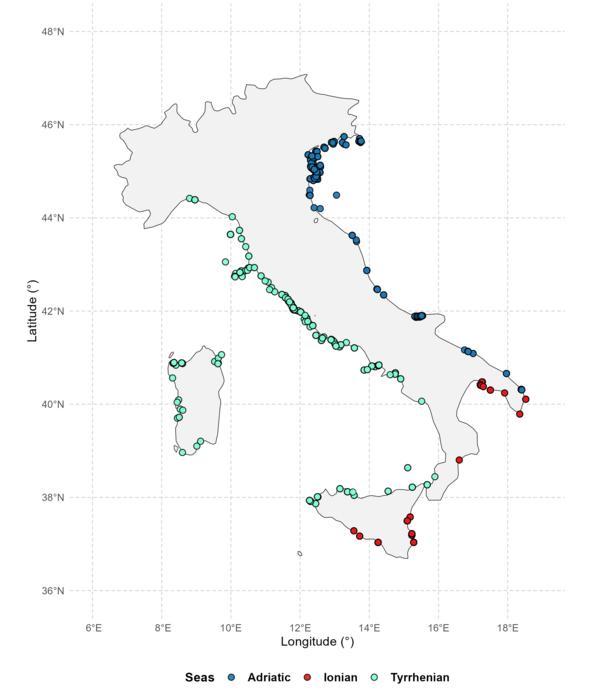
Europe alone has so much unpublished, un-catalogued biological data that it is challenging to take...

Why Antarctic Sea Ice Stopped Growing In 2015

Though numerical models and popular films like An Inconvenient Truth projected Arctic ice...

Wealth Correlated To Loneliness

You may have read that Asian cultures respect the elderly more than Europe but Asian senior citizens...

User picture.
News StaffRSS Feed of this column.

News Releases From All Over The World, Right To You... Read More »

Blogroll

A study by U.S. and Australian researchers is helping dispel the 40-year-old "thrifty genotype theory," which purports that certain minority groups are genetically prone to diabetes.

The study, co-authored by UC Irvine anthropologist Michael Montoya, along with an epidemiologist and population geneticist, analyzed existing genetic studies published across a variety of disciplines. The team found no evidence to support the widely held thrifty genotype theory, which suggests that cycles of feast and famine early in human history created a gene that helps the body use scarce nutrients – a gene that leads to obesity and diabetes in comfortable, sedentary modern lifestyles.

Researchers have discovered how a defect in a single master gene disrupts the process by which several genes interact to create myelin, a fatty coating that covers nerve cells and increases the speed and reliability of their electrical signals.

The discovery has implications for understanding disorders of myelin production. These disorders can affect the peripheral nervous system—the nerves outside the brain and spine. These disorders are known collectively as peripheral neuropathies. Peripheral neuropathies can result in numbness, weakness, pain, and impaired movement. They include one of the most common genetically inherited disorders, Charcot-Marie-Tooth disease, which causes progressive muscle weakening.

Ancient aquatic amphibians developed the ability to feed on land before completing the transition to terrestrial life, researchers from Harvard University report this week in the Proceedings of the National Academy of Sciences.

Their work is based on analysis of the skulls of the first amphibians, which arose 375 million years ago, and their fish ancestors. The shapes of the junctions between adjacent skull bones -- termed "sutures" -- in the tops of these fish and amphibian skulls reveal how these extinct animals captured prey, say authors Molly J. Markey and Charles R. Marshall.

If your meat needs to be plumped up, try some collagen injections.

Injecting meatballs with collagen can help the meat to retain the important nutrients iodine and thiamine, a new study by researchers from the Agricultural University of Poznan in Poland shows.

We all know that eating fruits, vegetables and soy products provides essential nutrition for a healthy lifestyle, while obesity leads to the opposite. Yet proving the effect of nutrition, or obesity, on cancer is an experimental challenge and a focus for scientists. According to emerging evidence, eating well might still be one of the more pleasurable ways to prevent cancer and promote good health.

Abstract 4217: A novel mechanism for the chemoprotection by 3,3-diindolylmethane (DIM) and genistein for breast and ovarian cancer.

Researchers at Columbia University’s Mailman School of Public Health have discovered a means for early detection of liver cancer. Using DNA isolated from serum samples as a baseline biomarker, the scientists examined changes in certain tumor suppressor genes that have been associated with the development of liver carcinomas. This is the first study to prospectively examine potential biomarkers for early detection of liver cancer in high-risk populations, including those with chronic hepatitis B and C virus infections.





