

Banner
How To Overcome Leadership Battles

In times of social rancor and strife, most will fight each other, but societies are saved by those...
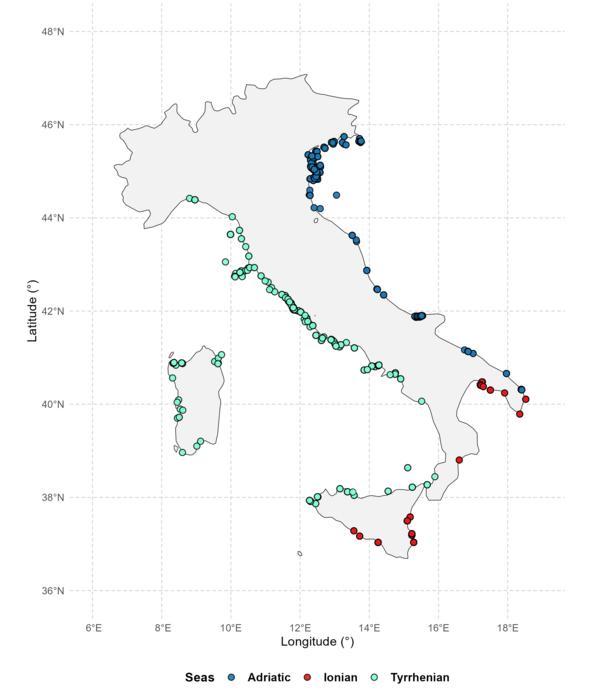
Thousands Of Unpublished Studies Show Why Conservation Efforts Miss The Mark

Europe alone has so much unpublished, un-catalogued biological data that it is challenging to take...

Why Antarctic Sea Ice Stopped Growing In 2015

Though numerical models and popular films like An Inconvenient Truth projected Arctic ice...

Wealth Correlated To Loneliness

You may have read that Asian cultures respect the elderly more than Europe but Asian senior citizens...

User picture.
News StaffRSS Feed of this column.

News Releases From All Over The World, Right To You... Read More »

Blogroll

A team of academic cancer specialists has a way to lower drug discovery costs without politicians killing off one of the few remaining non-service industries in America: do less research.

Currently, early cancer drug studies involve extra biopsies solely for the purpose of trying to understand the pharmacodynamics -- what the drug does to the tumor -- they are often mandatory in government-sponsored phase 1 clinical trials because the belief is that computer and cellular models won't be accurate enough. This obviously increases the time and costs of development and a team says that this costly process has had no impact on subsequent drug development or how physicians use these new drugs to treat future patients.

Two newly-developed driverless cars systems can identify a user's location and orientation in places where GPS does not function, and identify the various components of a road scene in real time on a regular camera or smartphone, performing the same job as sensors costing tens of thousands of dollars. 

Although the systems cannot currently control a driverless car, the ability to make a machine 'see' and accurately identify where it is and what it's looking at is a vital part of developing autonomous vehicles and robotics. 

A paper in the International Journal of Epidemiology seeks to dismiss the concept of 'fat but fit' and instead suggest that the protective effects of high fitness against early death are reduced in obese people. 

The detrimental effects of low aerobic fitness in older people have been well documented but few studies have investigated a direct link between aerobic fitness and health in younger populations. A study in Sweden followed 1,317,713 men for a median average of 29 years to examine the association between aerobic fitness and death later in life, as well as how obesity affected these results. The subjects' aerobic fitness was tested by asking them to cycle until they had to stop due to fatigue.

About 25 years ago, Michael Hall discovered the protein "Target of Rapamycin" (TOR) in yeast. It is one of the most studied members of the protein kinase family, an important family of regulatory proteins that control many cellular processes. Later, a TOR kinase was also found in mammalian cells, where it is known as mTOR - the mammalian Target of Rapamycin.

Follow-up times of abnormal screening exams were shorter for breast cancer than they were for colorectal and cervical cancers, according to a recent study involving more than one million individuals who underwent these screenings. Recently published in the Journal of General Internal Medicine, the study reported the percentages of individuals with abnormal screening exams receiving timely follow-up were: 93.2% to 96.7% of women across breast centers, 46.8% to 68.7% of individuals across colorectal centers, and 46.6% of women at the cervical center.

Chronic inflammation in the bloodstream can 'fan the flames' of depression, much like throwing gasoline on a fire, according to a new paper from researchers at Rice University and Ohio State University.

'Inflammation: Depression Fans the Flames and Feasts on the Heat' appeared in a recent edition of the American Journal of Psychiatry. The study reviewed 200 existing papers on depression and inflammation.



