
Banner
How To Overcome Leadership Battles

In times of social rancor and strife, most will fight each other, but societies are saved by those...
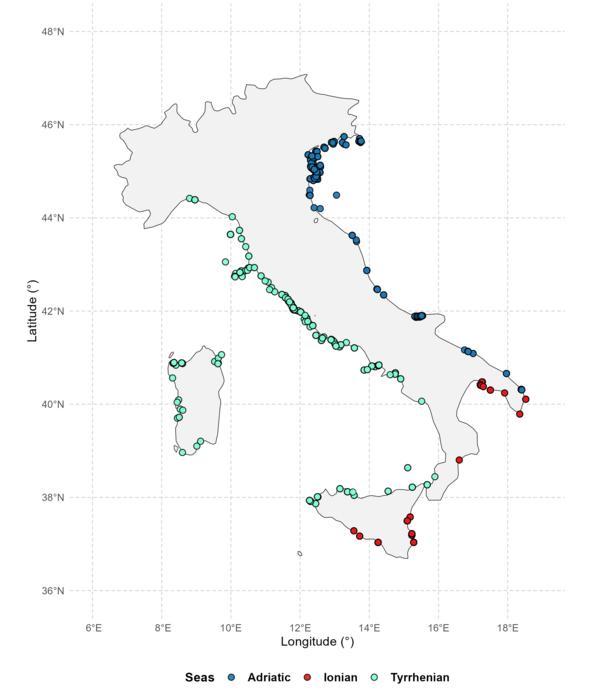
Thousands Of Unpublished Studies Show Why Conservation Efforts Miss The Mark

Europe alone has so much unpublished, un-catalogued biological data that it is challenging to take...

Why Antarctic Sea Ice Stopped Growing In 2015

Though numerical models and popular films like An Inconvenient Truth projected Arctic ice...
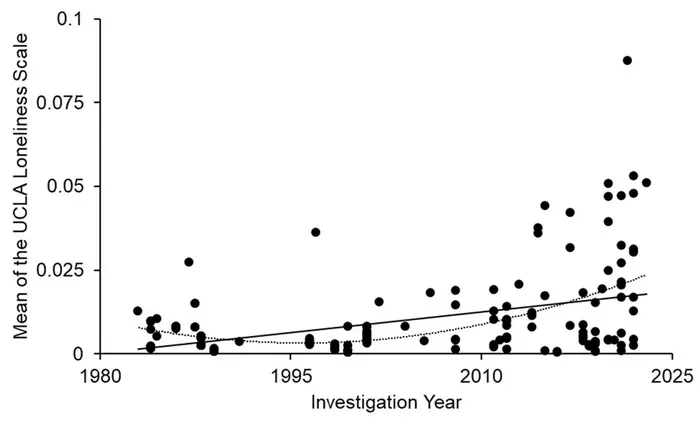
Wealth Correlated To Loneliness

You may have read that Asian cultures respect the elderly more than Europe but Asian senior citizens...

User picture.
News StaffRSS Feed of this column.

News Releases From All Over The World, Right To You... Read More »

Blogroll

Right now, in any American hospital, about half of the patients have a prescription for an acid-reducing drug called proton-pump inhibitors (PPIs) to reduce heartburn or prevent bleeding in their stomach and gut. 

But that well-intentioned drug may actually boost their risk of dying during their hospital stay, a new study finds, by opening them up to infections that pose more risk than bleeding would. 

Researchers have identified factors that spark the formation of pluripotent cells. Their findings, published in Developmental Cell, shed light on human embryonic development and help research into cell reprogramming and assisted conception.

Genetic sequencing of a single tumor reveals far greater genetic diversity among cancer cells than anticipated. Researchers from the University of Chicago and the Beijing Institute of Genomics estimate that the tumor, about 3.5 centimeters in diameter, contained more than 100 million distinct mutations within the coding regions of its genes--thousands of times more than expected. 

Cultural pressures to avoid anything controversial and the need to show a positive result to get the next grant have led scientists to avoid risk-taking and choose inefficient research strategies, two new University of Chicago papers conclude.

The heart of darkness is a metaphor but it is quite literal when it comes to space. Not only is matter as we know it just a fraction of what is out there, it is only a few percent. That means the rest of the universe is truly unknown. Physicists have given what we don't know terms like Dark Matter and Dark Energy and the race is on to find signatures in "near space" (within a few thousand light years of Earth by measuring electrons and gamma rays.

The CALorimetric Electron Telescope (CALET) investigation will track the trajectory of cosmic ray particles and measure their charge and energy and hopefully help to identify dark matter and fit it into standard models of the universe.

Researchers have learned more about what happened to the climate on Mars since it was a warm and watery planet billions of years ago.

The researchers announced on Thursday that NASA's MAVEN (Mars Atmosphere and Volatile Evolution) mission has determined the rate at which the Martian atmosphere currently is losing gas to space via stripping by the solar wind. Loss of gas to space appears to have been an important part of why the Martian climate went from an early, warm, wet one that might have been able to support life at the surface to the cold, dry, desert planet we see today.



