Banner
How To Overcome Leadership Battles

In times of social rancor and strife, most will fight each other, but societies are saved by those...

Thousands Of Unpublished Studies Show Why Conservation Efforts Miss The Mark

Europe alone has so much unpublished, un-catalogued biological data that it is challenging to take...

Why Antarctic Sea Ice Stopped Growing In 2015

Though numerical models and popular films like An Inconvenient Truth projected Arctic ice...

Wealth Correlated To Loneliness

You may have read that Asian cultures respect the elderly more than Europe but Asian senior citizens...

User picture.
News StaffRSS Feed of this column.

News Releases From All Over The World, Right To You... Read More »

Blogroll

Are black voters more likely to vote for black candidates, regardless of political party affiliation? Not according to a paper by a scholar from the University of Cincinnati.

In the game of wheat genetics, Jorge Dubcovsky's laboratory at UC Davis has hit a grand slam, unveiling for the fourth time in a dozen years a gene that governs wheat vernalization, the biological process requiring cold temperatures to trigger flower formation.

Identification of the newly characterized VRN-D4 gene and its three counterpart genes is crucial for understanding the vernalization process and developing improved varieties of wheat, which provides about one-fifth of the calories and proteins that we humans consume globally.

The new study, reported online in the Proceedings of the National Academy of Sciences, also shows how the spring growth habit in some wheat varieties traces back to ancient wheat that grew in what is now Pakistan and India.

The commonly prescribed antidepressant sertraline, a selective serotonin reuptake inhibitor (SSRI) marketed as Zoloft, may alter brain structures in depressed and non-depressed individuals in very different ways, according to new research conducted in monkeys. It significantly increased the volume of one brain region in depressed subjects but decreased the volume of two brain areas in non-depressed subjects.

In the study, 41 middle-aged female monkeys were fed a diet formulated to replicate that consumed by many Americans for 18 months, during which time depressive behavior in the animals was recorded. Female monkeys were chosen for this study because depression is nearly twice as common in women as men and the use of antidepressants is most common in women ages 40 to 59.

As we grow older, we lose strength and muscle mass. However, the cause of age-related muscle weakness and atrophy has remained a mystery.

Scientists at the University of Iowa have discovered the first example of a protein that causes muscle weakness and loss during aging. The protein, ATF4, is a transcription factor that alters gene expression in skeletal muscle, causing reduction of muscle protein synthesis, strength, and mass. The UI study also identifies two natural compounds, one found in apples and one found in green tomatoes, which reduce ATF4 activity in aged skeletal muscle. The findings, which were published online Sept. 3 in the Journal of Biological Chemistry, could lead to new therapies for age-related muscle weakness and atrophy.

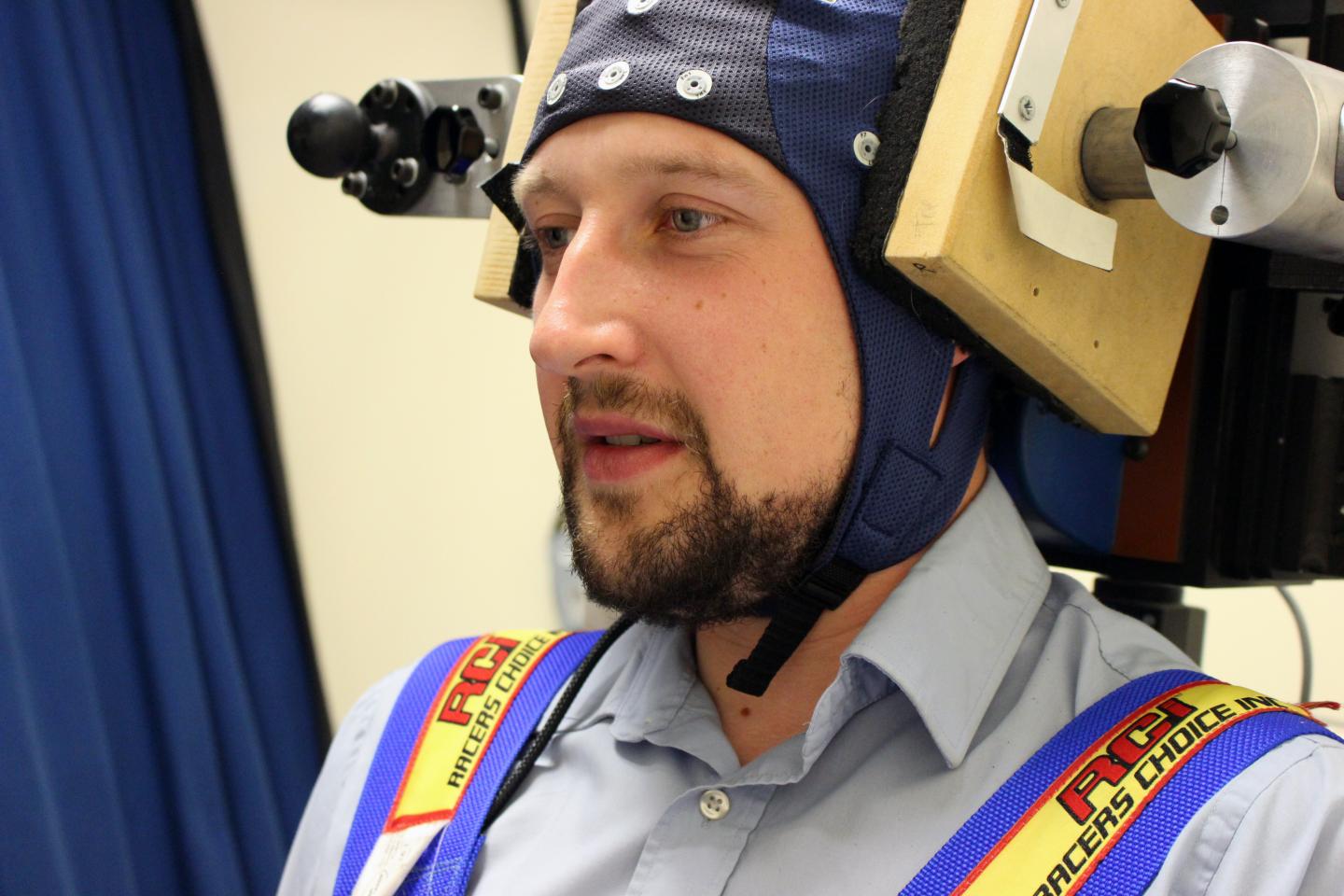
The misery of motion sickness could be ended within five to ten years thanks to a new treatment being developed by scientists.

The cause of motion sickness is still a mystery but a popular theory among scientists says it is to do with confusing messages received by our brains from both our ears and eyes, when we are moving. It is a very common complaint and has the potential to affect all of us, meaning we get a bit queasy on boats or rollercoasters. However, around three in ten people experience hard-to-bear motion sickness symptoms, such as dizziness, severe nausea, cold sweats, and more.

Today, more than 5.1 million Americans live with Alzheimer’s disease, a devastating type of dementia that plagues memory and thinking. That number is expected to triple in the coming decades. Moreover, according to a 2012 survey, Americans fear Alzheimer’s more than any other disease.

But studies looking into treatments for Alzheimer’s disease have been frustratingly disappointing. Over the last decade, more than 100 human trials aimed at Alzheimer’s disease treatment have been conducted with little success.