
Banner
How To Overcome Leadership Battles

In times of social rancor and strife, most will fight each other, but societies are saved by those...
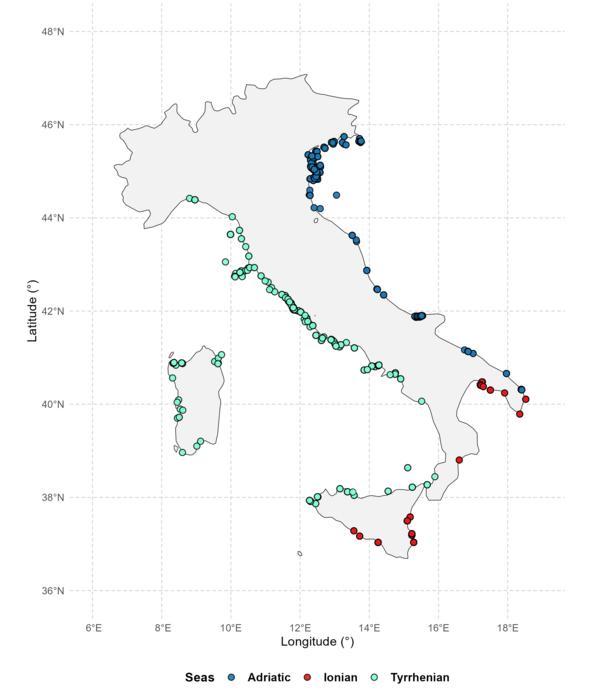
Thousands Of Unpublished Studies Show Why Conservation Efforts Miss The Mark

Europe alone has so much unpublished, un-catalogued biological data that it is challenging to take...

Why Antarctic Sea Ice Stopped Growing In 2015

Though numerical models and popular films like An Inconvenient Truth projected Arctic ice...
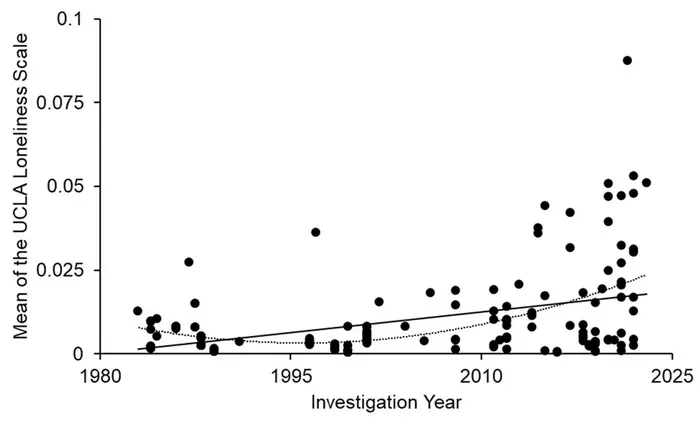
Wealth Correlated To Loneliness

You may have read that Asian cultures respect the elderly more than Europe but Asian senior citizens...

User picture.
News StaffRSS Feed of this column.

News Releases From All Over The World, Right To You... Read More »

Blogroll

Researchers have identified a new vitamin B3 pathway that regulates liver metabolism. The discovery provides an opportunity to pursue the development of novel drug therapies to address obesity, type 2 diabetes and related metabolic diseases. 

The new findings show that a small molecule called N1-methylnicotinamide prevents metabolic complications caused by a high-fat diet.

Rabbits have long been considered immune to prion disease, but recently scientists have shown that they can--under certain circumstances--get transmissible spongiform encephalopathy (or TSE, the scientific term for the fatal brain disease caused by prions). Two studies address what makes rabbits hard to infect with prions and how their resistance can be overcome.

The Institute of Laser Engineering (ILE), Osaka University, has succeeded to reinforce the Petawatt [3] laser "LFEX" to deliver up to 2,000 trillion watts in the duration of one trillionth of one second (this corresponds to 1000 times the integrated electric power consumed in the world). By using this high-power laser, it is now possible to generate all of the high-energy quantum beams (electrons, ions, gamma ray, neutron, positron).

Just a little moderate to vigorous physical activity-below the recommended amount-every week still seems to curb the risk of death among the over 60s, suggests a recent analysis.

Mild hypothermia in deceased organ donors significantly reduces delayed graft function in kidney transplant recipients when compared to normal body temperature, according to UC San Francisco researchers and collaborators, a finding that could lead to an increase in the availability of kidneys for transplant.

By passively cooling deceased organ donor body temperature by approximately two degrees from normal body temperature, researchers saw an overall nearly 40 percent increase in the successful function of donated kidneys after surgery. In particular, kidneys especially at risk of poor post-surgical functional were protected.

Our nation's veterans continue to suffer emotional and psychological effects of war--some for decades. And while there has been greater attention directed recently toward post-traumatic stress disorder (PTSD), and more veterans are seeking help, current psychotherapy treatments are less than optimal, according to a new narrative review.






