Banner
Why Antarctic Sea Ice Stopped Growing In 2015

Though numerical models and popular films like An Inconvenient Truth projected Arctic ice...
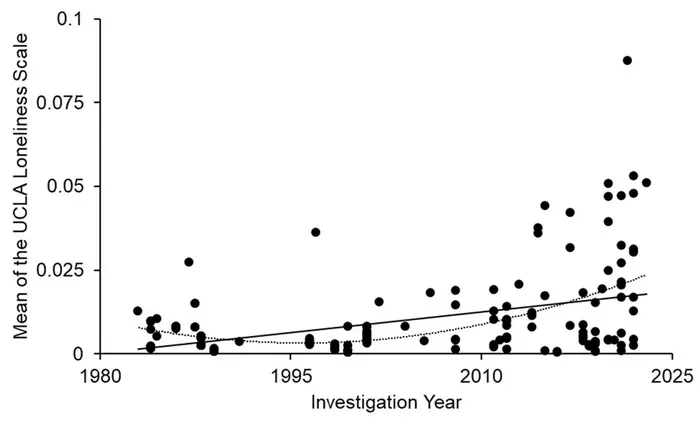
Wealth Correlated To Loneliness

You may have read that Asian cultures respect the elderly more than Europe but Asian senior citizens...
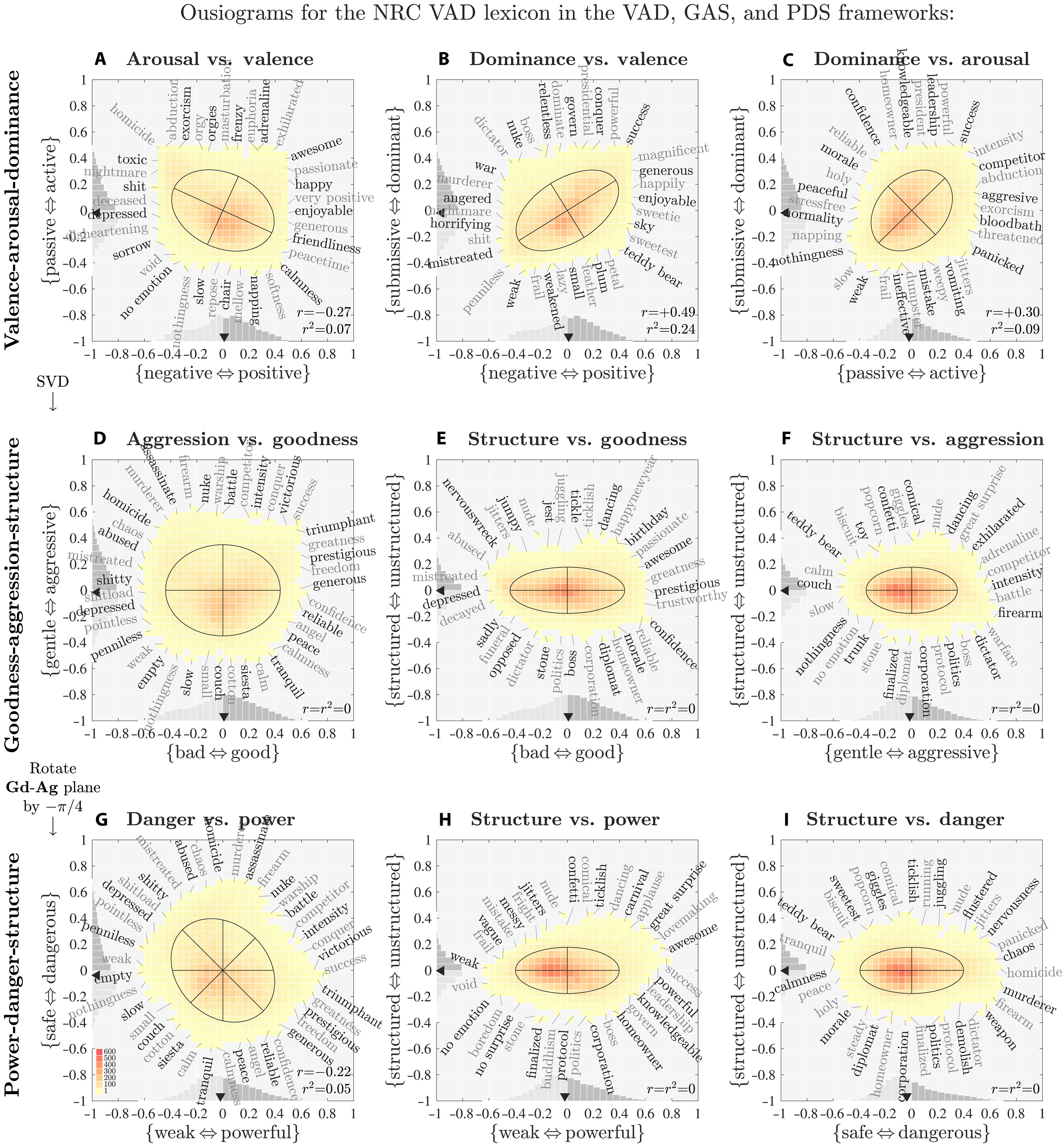
Ousiometrics Analysis Says All Human Language Is Biased

A new tool drawing on billions of uses of more than 20,000 words and diverse real-world texts claims...
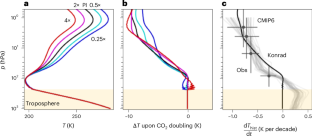
Wavelengths Of Light Are Why CO2 Cools The Upper Atmosphere But Warms Earth

There are concerns about projected warming on the Earth’s surface and in the lower atmosphere...

User picture.
News StaffRSS Feed of this column.

News Releases From All Over The World, Right To You... Read More »

Blogroll

A new approach to skin rejuvenation developed at Massachusetts General Hospital (MGH) may be less likely to have unintended side effects such as scarring and altered pigmentation. In the online journal Scientific Reports, an MGH research team reports that treatment with pulsed electric fields - a noninvasive procedure that does not involve the generation of heat - removed skin cells in an animal model without affecting the supporting extracellular matrix, eventually leading to renewal of the skin surface.

Inside the cell, DNA is tightly coiled and packed with several proteins into a structure called "chromatin", which allows DNA to fit in the cell while also preventing genes from being expressed at the wrong time. Guided by a chemical "barcode", specialized effector proteins can bind chromatin and either unwind it or compact further to activate or silence genes. This system has enormous implications for biology and medicine, e.g. cancer research. However, the efficiency of effector-chromatin interactions have been elusive, especially given the weak binding between the two. Tracking these interactions one molecule at a time, EPFL scientists have shown for the first time how a major effector protein speeds up its search for chromatin binding sites pairing up with others of its kind.

A new study led by Vanderbilt University Medical Center investigators found new diagnoses of prostate cancer in the U.S. declined 28 percent in the year following the draft recommendation from the United States Preventive Services Task Force (USPSTF) against routine PSA screening for men. The new research, led by first author Daniel Barocas, M.D., MPH, assistant professor of urological surgery and medicine, was posted online in the June 15 issue of The Journal of Urology in advance of publication.

The society you live in can shape the complexity of your brain--and it does so differently for social insects than for humans and other vertebrate animals.

A new comparative study of social and solitary wasp species suggests that as social behavior evolved, the brain regions for central cognitive processing in social insect species shrank. This is the opposite of the pattern of brain increases with sociality that has been documented for several kinds of vertebrate animals including mammals, birds and fish.

A new study in Sweden links male infertility to autoimmune prostatic inflammation.  

Infertility - involuntary childlessness - is common, and in half of all cases attributable to infertility in the man. Although male infertility has many possible causes, it often remains unexplained. 

In the present study, researchers from Karolinska Institutet discovered a reason for reduced fertility in people with autoimmune polyendocrine syndrome type 1 (APS1), which increases the risk of developing autoimmune disease (caused by the immune system attacking and damaging healthy cells) and which is often used as a model for autoimmune disease in general. 

An immense cloud of hydrogen has been observed dispersing from the warm, Neptune-sized planet Gliese 436b orbiting nearby star Gliese 436. 

The enormous gaseous tail of the planet is about 50 times the size of the parent star.  A phenomenon this large has never before been seen around such a small exoplanet.