Banner
Why Antarctic Sea Ice Stopped Growing In 2015

Though numerical models and popular films like An Inconvenient Truth projected Arctic ice...

Wealth Correlated To Loneliness

You may have read that Asian cultures respect the elderly more than Europe but Asian senior citizens...
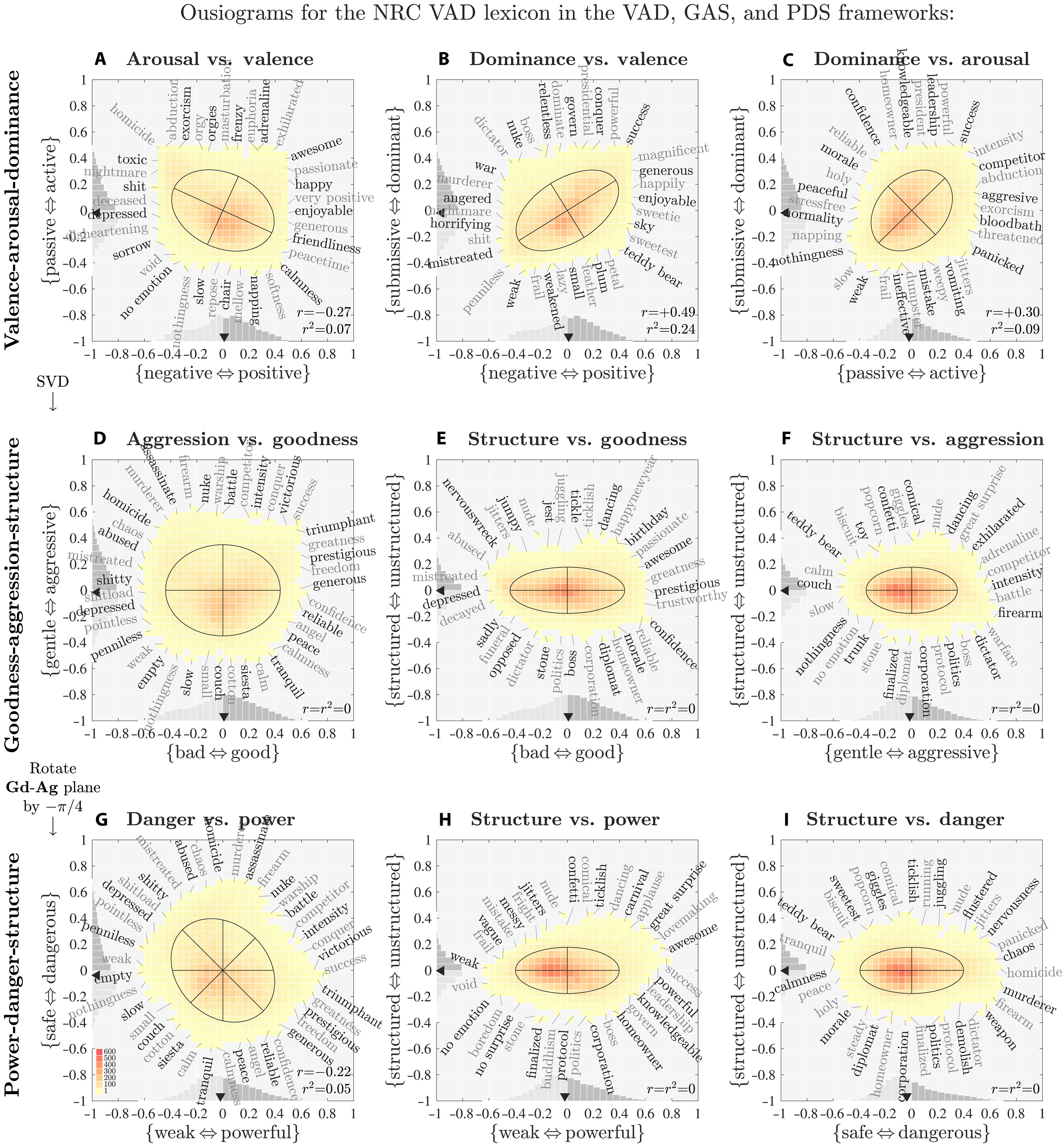
Ousiometrics Analysis Says All Human Language Is Biased

A new tool drawing on billions of uses of more than 20,000 words and diverse real-world texts claims...
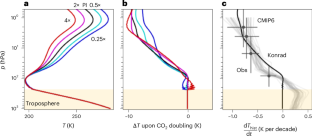
Wavelengths Of Light Are Why CO2 Cools The Upper Atmosphere But Warms Earth

There are concerns about projected warming on the Earth’s surface and in the lower atmosphere...

User picture.
News StaffRSS Feed of this column.

News Releases From All Over The World, Right To You... Read More »

Blogroll
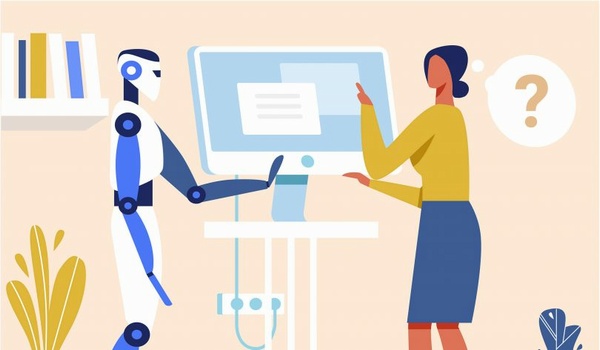
Though it is common to complain that advertising is following you everywhere and algorithms control our news, it is instead the case that the more tedious or challenging a task becomes, the more humans trust computers instead. Not many people listen to 4,000 songs to create a playlist they like, they make a playlist with a few and let Spotify do the rest.

A recent study involved 1,500 individuals evaluating photographs. The team asked volunteers to count the number of people in a photograph of a crowd and supplied suggestions that were generated by a group of other people and suggestions generated by an algorithm. 
Some people believe that marijuana can be medical but almost no marijuana users think it impairs their vision.

Though over 90 percent of users believe that cannabis has no effect on their vision, or perhaps a slight effect, smoking cannabis significantly alters key visual functions such as visual acuity, contrast sensitivity, three-dimensional vision (stereopsis), the ability to focus, and glare sensitivity, according to research.
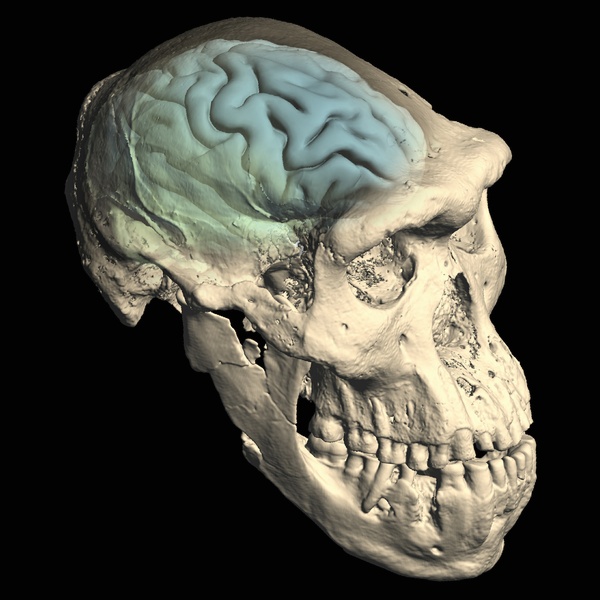
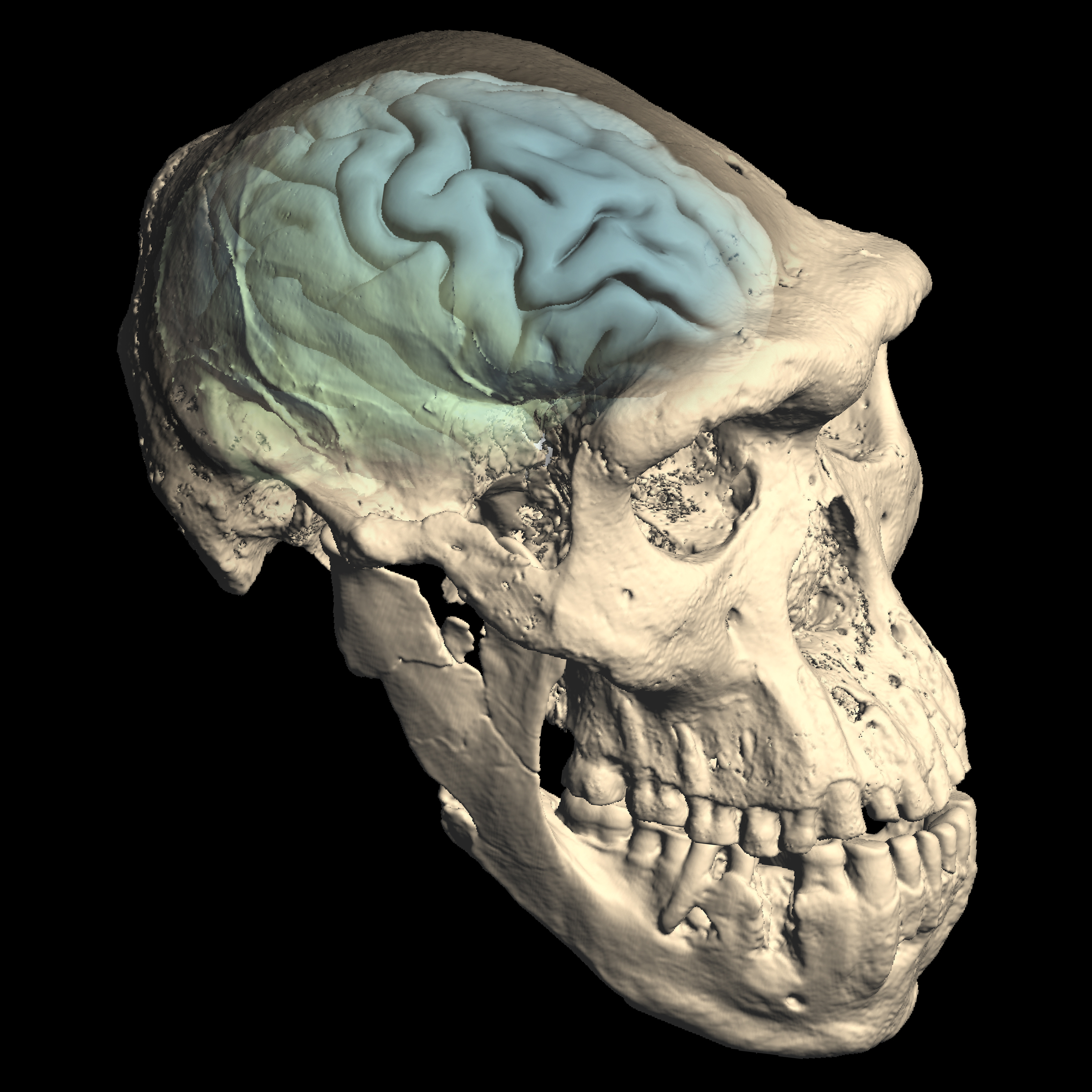
Though modern humans and our closest evolutionary relatives, the great apes, shared a common ancestor millions of years ago, most similarities stop there. We live on the ground, walk on two legs and have much larger brains. 

That doesn't mean the larger brains evolved first. 

The first populations of the genus Homo emerged in Africa about 2.5 million years ago and though they already walked upright, their brains were only about half the size of today's humans. These earliest Homo populations in Africa had primitive ape-like brains - just like their extinct ancestors, the australopithecines.

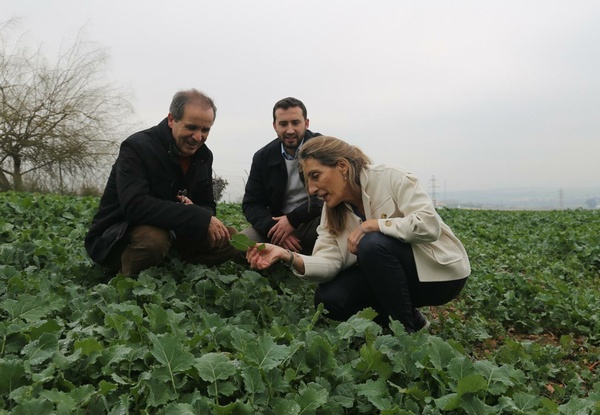
Micronutrient deficiencies pose health problems for a third of the world's population. Worldwide, zinc deficits are more problematic in the rural areas of developing countries, where diets are largely limited to vegetable products grown in soils suffering from low nutrient availability.

Biofortification, the process of bolstering the nutritional value of crops by increasing the concentration of vitamins and minerals in them, has arisen as a remedy for this problem.  Recent trials determined that foliar application, applying liquid fertilizer directly to leaves instead of the soil, boosted the zinc content of wheat grain by up to 50 percent.
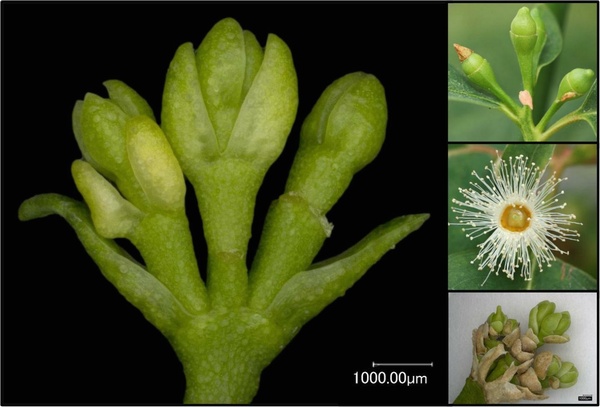
Eucalyptus trees are a pest-resistant evergreen that produce good lumber and oil that wealthy elites in the "wellness" marketplace buy - they are also an invasive species.

A new paper shows how scientists used CRISPR-Cas9 to knock out LEAFY, the master gene behind flower formation, so the trees will not reproduce sexually. The greenhouse study involved a hybrid of two species, Eucalyptus grandis and E. urophylla, that is widely planted in the Southern Hemisphere; there are more than 700 species of eucalyptus, most of them native to Australia.
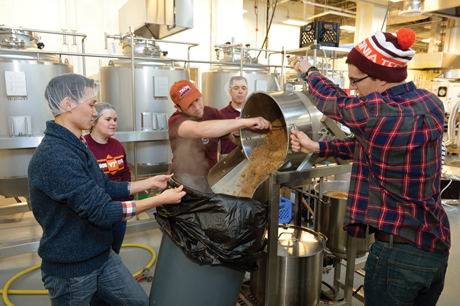
Beer has been important throughout human history. Given how dangerous water was in the past, it is arguably true that civilization would not exist without beer.

Yet if you make your own, you have to think about waste. Spent grain, the malt and adjuncts left over from the mash, is 85 percent of brewing waste. If you don't have a compost pit or a farm somewhere close by, it's going inro the garbage.