Banner
Why Antarctic Sea Ice Stopped Growing In 2015

Though numerical models and popular films like An Inconvenient Truth projected Arctic ice...
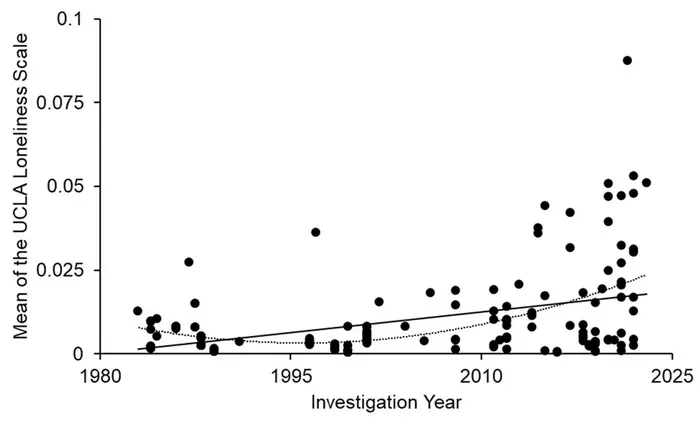
Wealth Correlated To Loneliness

You may have read that Asian cultures respect the elderly more than Europe but Asian senior citizens...
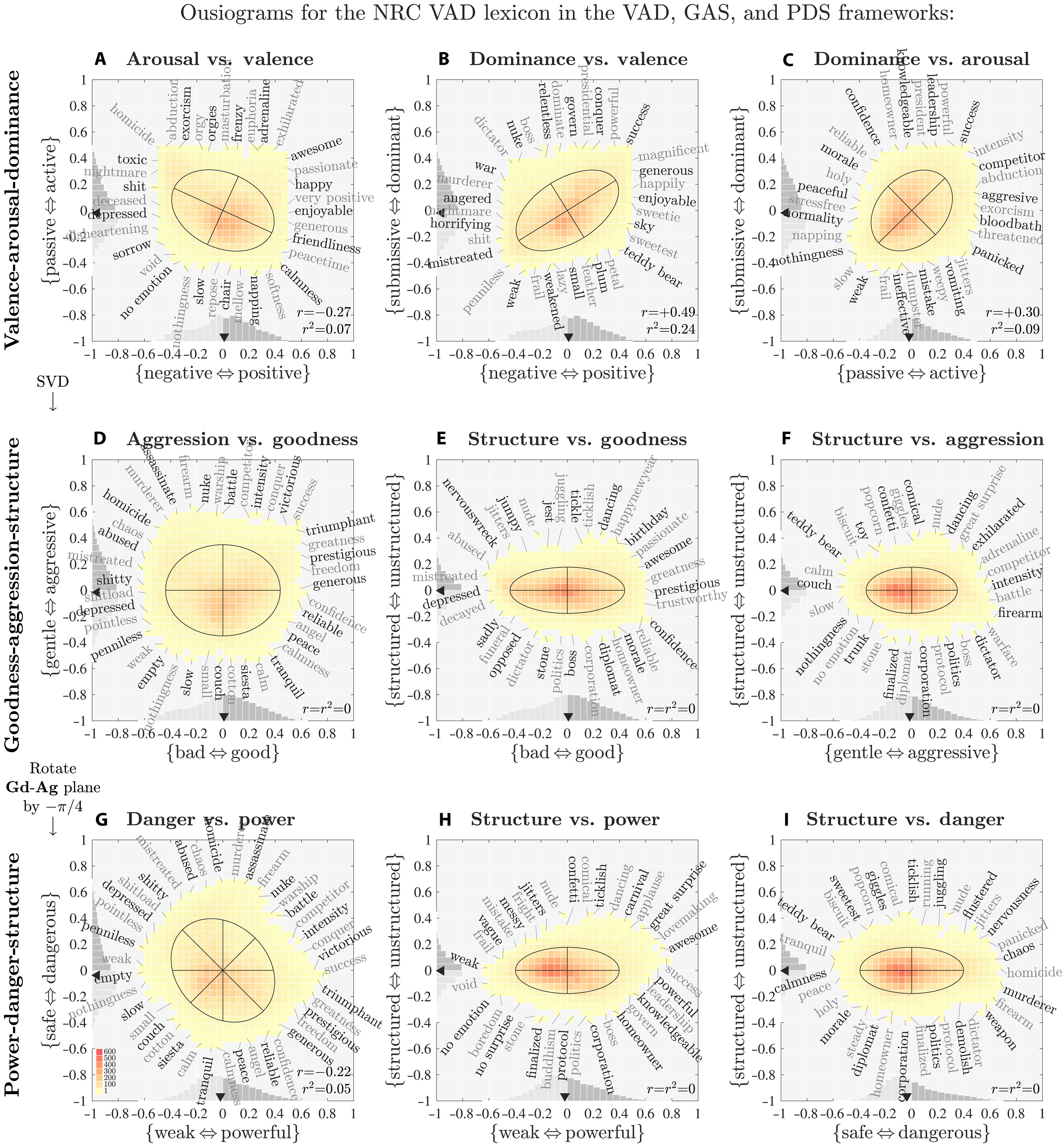
Ousiometrics Analysis Says All Human Language Is Biased

A new tool drawing on billions of uses of more than 20,000 words and diverse real-world texts claims...

Wavelengths Of Light Are Why CO2 Cools The Upper Atmosphere But Warms Earth

There are concerns about projected warming on the Earth’s surface and in the lower atmosphere...

User picture.
News StaffRSS Feed of this column.

News Releases From All Over The World, Right To You... Read More »

Blogroll

The new disaster movie San Andreas draws on science fact - that earthquakes are a reality - and turns it into an action movie by creating a domino effect and pitting Duane "The Rock" Johnson against them.

Why do good people do bad things? It's a question that has been pondered for centuries, and new research may offer some insight. 

In a series of experiments with undergraduates, participants who anticipated a temptation to act unethically were less likely to then behave unethically, relative to those who did not. These participants also were less likely to endorse unethical behavior that offered short-term benefits, such as stealing office supplies or illegally downloading copyrighted material.  

There are about 10,000 compounds used to make cosmetics, and they are monitored by government agencies in a way that products go inside the body, such as 'alternative' medicine and supplements, are not.
If you have gone to a new web page and seen an advertisement based on things you looked at in your browser history, you have likely been impressed or creeped out. You can thank MIT for a lot of this “programmatic marketing” - and rocket science. It is also why you will probably never make any money on your blog. 

Prostate cancer is the second most common type of cancer in men and is predicted to result in an estimated 220,00 cases in the United States in 2015.

The modern sedimentary environment contains a diversity of microbes that interact very closely with the sediments, sometimes to such an extent that they form "biosediments."

But can such a phenomenon be fossilized? How far back in time can "biosedimentation" be traced? In a study for Geology, Frances Westall and colleagues examine some of the oldest rocks on Earth, in the Barberton Greenstone Belt, South Africa (older than 3.3 billion years), to answer this question.

Westall and colleagues use multi-scale methods to document the simultaneous presence of diverse types of microorganisms, including phototrophs and chemotrophs, directly interacting with coastal volcanic sediments that were bathed by hydrothermal fluids.