Banner
You Didn't Feel Continental Mantle Earthquakes, But They Happened. A Lot

A 1979 seismic event was a different kind of earthquake, and it is has intrigued scientists ever...
How To Overcome Leadership Battles

In times of social rancor and strife, most will fight each other, but societies are saved by those...
Thousands Of Unpublished Studies Show Why Conservation Efforts Miss The Mark

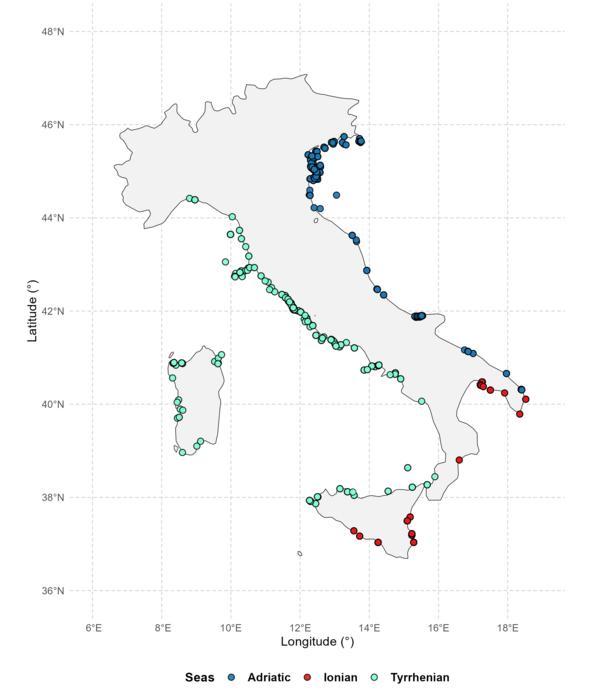
Europe alone has so much unpublished, un-catalogued biological data that it is challenging to take...

Why Antarctic Sea Ice Stopped Growing In 2015

Though numerical models and popular films like An Inconvenient Truth projected Arctic ice...

User picture.
News StaffRSS Feed of this column.

News Releases From All Over The World, Right To You... Read More »

Blogroll
Wildlife is abundant in the Chernobyl Exclusion Zone, found a month-long camera study which found 10 mammal and five bird species scavenging fish carcasses placed on the shoreline of rivers and canals there. Among the species were white-tailed eagles, American mink and river otter.

A previous study also found abundant gray wolves in this ecological zone of about 1,000 square miles that was abandoned by humans after the 1986 nuclear accident which made the name Chernobyl famous.  The new results provide evidence that aquatic nutrient resources can flow to terrestrial landscapes and become available to terrestrial as well as semiaquatic wildlife, like otter and mink.
Statins are cholesterol lowering drugs that are widely prescribed to patients at increased risk of heart attacks or strokes. Though evidence from randomized trials has shown that statin therapy reduces absolute risk among a wide range of individuals there has been uncertainty about their benefits in older people, along with uncertainty about how big a risk factor cholesterol is.

In the past, trials that looked at the effect of statin therapy reported statistically valid cardiovascular risk reductions in the 65-70 age group but statin therapy is often discontinued in patients 75 and older in part because of this question around risk (e.g. myopathy) and benefit.

Exercise is good for you but some people worry there can be too much of a good thing, especially for middle-aged athletes. Extreme running and high-endurance exercise were a concern to some doctors but a study using coronary calcium scanning, an imaging test that helps physicians classify patients without cardiac symptoms as low, intermediate, or high risk for heart attack, show the fear is unfounded.


Through our evolutionary history, change is the one constant. 99.9999% of species that have ever existed are extinct and new ones emerged that adapted to constantly changing environments. 

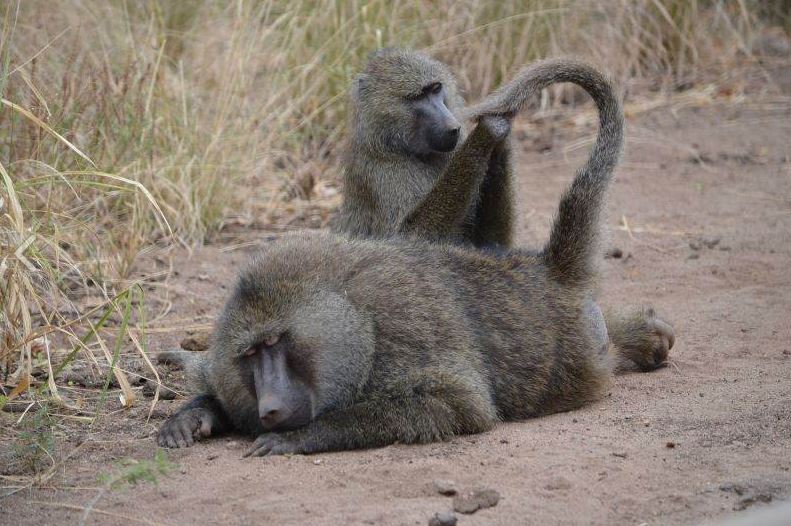
Baboons, with six species widespread in sub-Saharan Africa, are a modern example of adaptation and well studied when it comes to morphology, behavior and ecology. but less is known about their evolutionary history. That is why they are the subject of a new study on how speciation by lineage splitting, speciation by hybridization and associated gene exchange occurred. 
If you read media accounts, Republicans deny global warming and evolution while Democrats deny vaccines and GMOs. Republicans hate immigrants and Democrats hate unborn babies.

Yet such simple 'us' and 'them' narratives aren't true, even if it makes for compelling framing, according to a new paper
Rembrandt van Rijn was a master of light and shadow and a characteristic plasticity generated by a technique called impasto.

A new study shows he was also something of a chemist. An analysis of impasto layers in some of Rembrandt's paintings show they contain a very rare lead mineral called plumbonacrite, which means Rembrandt used a unique paint recipe. Plumbonacrite is extremely rare in historic paint layers. The only other notable occurrence was linked to degradation of the red lead (minimum) pigment in a Van Gogh painting.