Banner
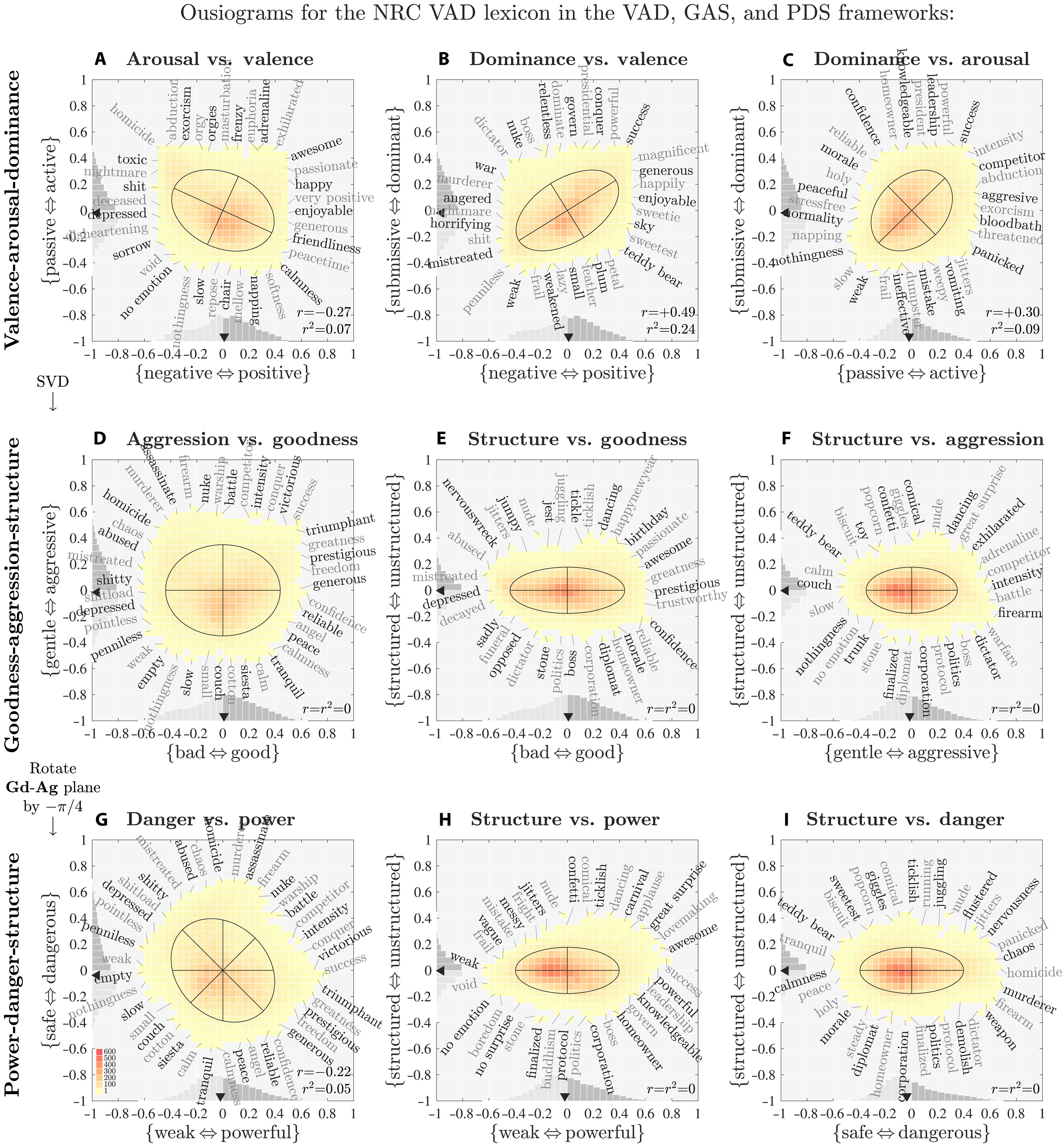
Ousiometrics Analysis Says All Human Language Is Biased

A new tool drawing on billions of uses of more than 20,000 words and diverse real-world texts claims...
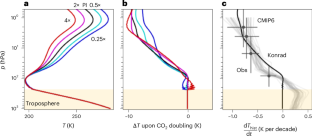
Wavelengths Of Light Are Why CO2 Cools The Upper Atmosphere But Warms Earth

There are concerns about projected warming on the Earth’s surface and in the lower atmosphere...

Here's Where Your Backyard Was 300 Million Years Ago

We may use terms like "grounded" and terra firma to mean stability and consistency but geology...

Convergent Evolution Cheat Sheet Now 120 Million Years Old

One tenet of natural selection is a random walk of genes but nature may be more predictable than...

User picture.
News StaffRSS Feed of this column.

News Releases From All Over The World, Right To You... Read More »

Blogroll

Attention, activist groups: Open-minded people don't change their view when you control what they learn and they only get one side of the issue, according to a new paper, so framing can only take you so far.

The results of a new paper in the Journal of Communication suggest that climate change deniers may be less effective in swaying public opinion than many scientists and advocates fear, and may even hurt their own cause among those who are most open-minded, according to the authors. 

Dopamine, the neurotransmitter celebrity chemical du jour in brain stories, gets invoked a lot because it can make a lot of correlations possible - and that means fun for journalists who either want to highlight the ridiculous or scare you

Like guns? Dopamine. Are you a Democrat? Dopamine. But aside from its 'pleasure chemical' designation, dopamine has lots of roles in the brain. So if a man takes antipsychotic medication, he may lactate as a side effect, because those medications focus on dopamine. And if there is an addiction story, dopamine is invoked.

A promising anti-cancer therapy - suppression of the protein mammalian target Of Rapamycin  (mTOR) - has failed to achieve hoped-for success in killing tumor cells.

mTOR plays an important role in regulating how cells process molecular signals from their environment, and it is observed as strongly activated in many solid cancers. Drug-induced suppression of mTOR has until now shown success in causing the death of cancer cells in the outer layers of cancerous tumors, but has been disappointing in clinical trials in dealing with the core of those tumors.  

Interacting with a therapeutic robot companion made people with mid- to late-stage dementia less anxious and also had a positive influence on their quality of life, according to a pilot study

PARO, a robotic harp seal, was used to investigate the effect of interacting with an artificial companion compared with participation in a reading group. PARO is fitted with artificial intelligence software and tactile sensors that allow it to respond to touch and sound. It can show emotions such as surprise, happiness and anger, can learn its own name and learns to respond to words that its owner uses frequently.
How lifeless materials became organic molecules that are the bricks of animals and plants is a science question for the ages.

The world's first known odd couple: 250 million years ago, a mammal forerunner and an amphibian shared a burrow in South Africa.

Scientists scanning a 250 million-year-old fossilized burrow from the Karoo Basin of South Africa have discovered that two unrelated vertebrate animals nestled together and were fossilized after being trapped by a flash flood event. Facing harsh climatic conditions subsequent to the Permo-Triassic (P-T) mass extinction, the amphibian Broomistega and the mammal forerunner Thrinaxodon cohabited in a burrow.