Banner
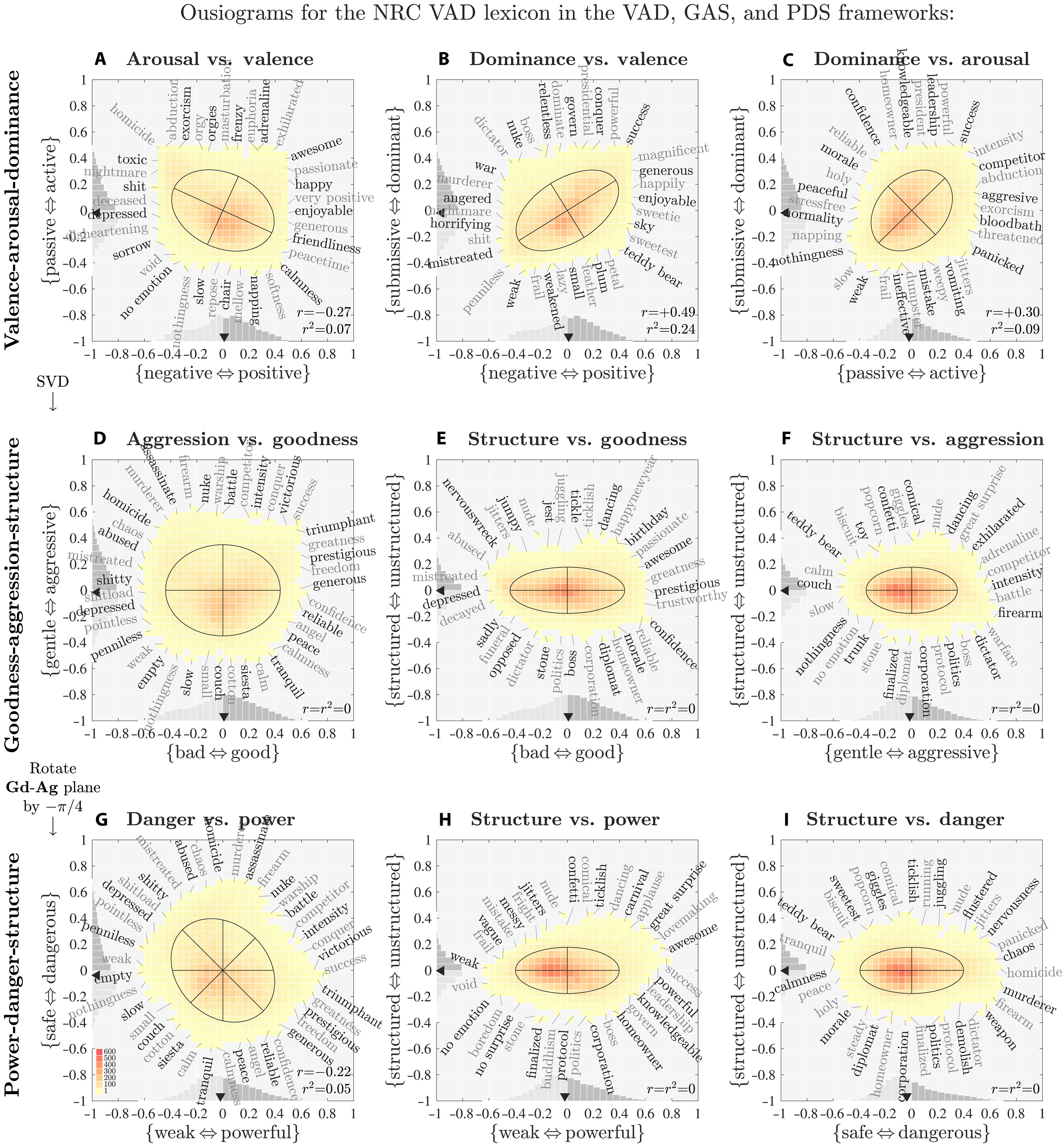
Ousiometrics Analysis Says All Human Language Is Biased

A new tool drawing on billions of uses of more than 20,000 words and diverse real-world texts claims...

Wavelengths Of Light Are Why CO2 Cools The Upper Atmosphere But Warms Earth

There are concerns about projected warming on the Earth’s surface and in the lower atmosphere...

Here's Where Your Backyard Was 300 Million Years Ago

We may use terms like "grounded" and terra firma to mean stability and consistency but geology...

Convergent Evolution Cheat Sheet Now 120 Million Years Old

One tenet of natural selection is a random walk of genes but nature may be more predictable than...

User picture.
News StaffRSS Feed of this column.

News Releases From All Over The World, Right To You... Read More »

Blogroll

Mandates and subsidies have created an artificial green energy industry. In the case of ethanol, that has led to escalating corn prices. Higher prices have encouraged some farmers to switch to growing corn continuously and they are seeing unusually high yield reductions.

 A six-year study has identified three key factors affecting yield in continuous corn (CC) systems.

The handling of "incidental findings" in clinical genome and exome sequencing has been addressed by the American College of Medical Genetics and Genomics (ACMG). 

Incidental findings are health-related interpretations of a patient's genetic code that are unrelated to the primary reason for ordering the genetic testing. For example, if a clinician orders exome or genome sequencing to analyze genes related to a patient's cardiac condition, the laboratory will already have information about all the other genes in hand and could examine genes for something like cancer predisposition with relative ease. 

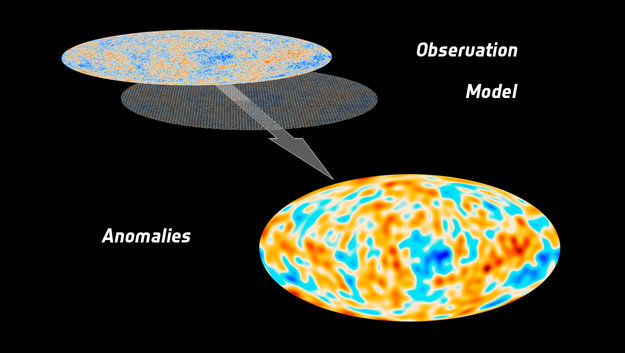
The most detailed map ever created of the cosmic microwave background – the relic radiation from the Big Bang – found something a little odd. 

The information extracted from Planck’s new map provides an excellent confirmation of the standard model of cosmology at an unprecedented accuracy, setting a new benchmark in our manifest of the contents of the Universe - but because precision of Planck’s map is so high, it also made it possible to reveal some peculiar unexplained features that may well require new physics to be understood.

In the early 1950's, a 66-year-old woman with colon cancer received a blood transfusion - but she suffered a severe rejection of the transfused blood. When writing the case study, the medical journal Revue D'Hématologie identified her only as "Patient Vel."

It was determined that Mrs. Vel had developed a potent antibody against some unknown molecule found on the red blood cells of most people in the world—but not found on her own red blood cells. But the molecule was unknown, nobody could find it. A blood mystery began, and, from her case, a new blood type, "Vel-negative," was described in 1952.

Scientists have found a layer of liquefied molten rock in Earth's mantle that may be acting as a lubricant for the sliding motions of the planet's massive tectonic plates. The discovery was made at the magma layer at the Middle America trench offshore Nicaragua. Using advanced seafloor electromagnetic imaging technology pioneered atScripps Institution of Oceanography at UC San Dieg , the scientists imaged a 16 mile-thick layer of partially melted mantle rock below the edge of the Cocos plate where it moves underneath Central America.

Can a computer predict the winner of the NCAA basketball tournament, called March Madness by fans and the NCAA corporate juggernaut alike?

If so, Science 2.0 will save you some time: third seed Florida will be your national champion.

The prediction is from Georgia Tech's Logistic Regression/Markov Chain (LRMC) college basketball ranking system, a computerized model that has correctly chosen the men's basketball national champ in three of the last five years.