Most methane comes from natural gas - natural gas used to be loved but once it got popular it got lumped in with mean old fossil fuels so the search is on to find a new, green approach to methane, using microbes that can convert renewable electricity into carbon-neutral methane.
Researchers are raising colonies of microorganisms, called methanogens, which have the ability to turn electrical energy into pure methane, the key ingredient in natural gas. The scientists' goal is to create large microbial factories that will transform clean electricity from solar, wind or nuclear power into renewable methane fuel.
NGC 1187, a spiral galaxy about 60 million light-years away in the constellation of Eridanus (The River), may look tranquil but it's home to some violent events. NGC 1187 has hosted two supernova explosions during the last thirty years, the latest one in 2007.
NGC 1187 was discovered in England by William Herschel in 1784 and can be seen almost face-on, which gives astronomers a good view of its spiral structure. About half a dozen prominent spiral arms can be seen, each containing large amounts of gas and dust. The bluish features in the spiral arms indicate the presence of young stars born out of clouds of interstellar gas.
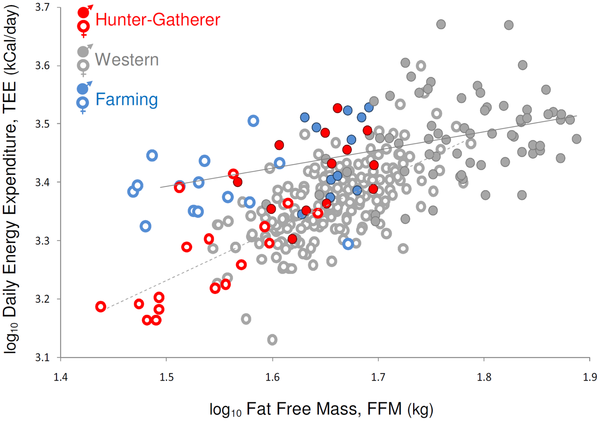
Modern lifestyles are quite different from those of our hunter-gatherer ancestors. That seems obvious. People looking to apply blame for the obesity rise focus on their own agendas, be it lobbying against GMOs, high fructose corn syrup or video games. Or contend it is because we don't spend our days picking berries.
But what does science say? There's no way to know but anthropologists are at least taking a shot at it. A new analysis, of modern hunter-gatherers anyway, found that there is no difference between their energy expenditure and Westerners, casting doubt on 'we don spend all day picking berries' hypothesis for obesity.
Want to get in a fight in Scotland?
Okay, just about anything will get you into a fight in Scotland but if you want a guaranteed way to get a headbutt and then kicked when you are on the ground, tell them they did not invent golf, the world's most frustrating pastime.
Man has been killing man and beast since whatever critter of common descent crawled out of the primordial ooze. And likely before, there's just no way to know it.
But some things can be known and one of them is this; you don't manufacture poison unless you intend to kill something with it. And ancient man was interested in using the best applied science they could find.
A contaminated river and a polluted sky are proof that environmentalism isn't just for the rich any more, say sociologists.
Obviously it never was, in many countries. In the developed world, people in the country actually care more about the environment than rich urbanites, but in the developing world the practical takes precedence over policy. The poor can't afford to protect the environment.
A new survey says that may be true in the country but in the city it is another matter. People living in China's cities who say they've been exposed to environmental harm are more likely to be green, recycling or reusing grocery bag. It also says the poor would sacrifice economic gain to protect their environment.


 Here's Where Your Backyard Was 300 Million Years Ago
 Convergent Evolution Cheat Sheet Now 120 Million Years Old
 Synchrotron Could Shed Light On Exotic Dark Photons
 The Pain Scale Is Broken But This May Fix It