Banner
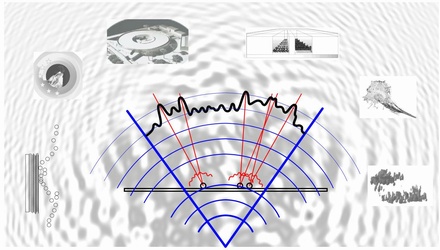
You Didn't Feel Continental Mantle Earthquakes, But They Happened. A Lot

A 1979 seismic event was a different kind of earthquake, and it is has intrigued scientists ever...
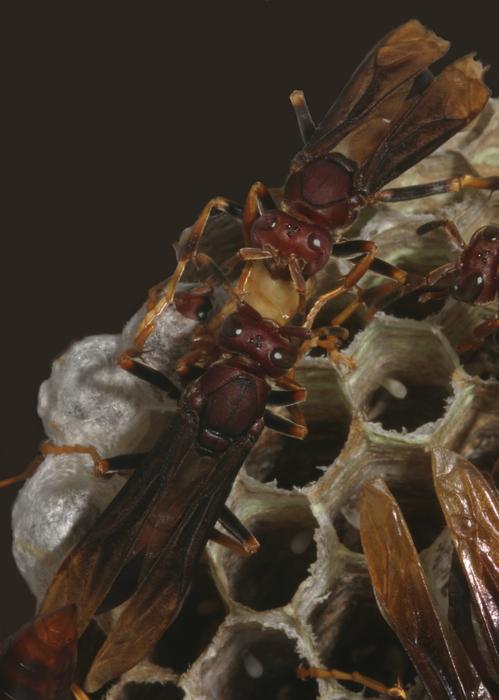
How To Overcome Leadership Battles

In times of social rancor and strife, most will fight each other, but societies are saved by those...

Thousands Of Unpublished Studies Show Why Conservation Efforts Miss The Mark

Europe alone has so much unpublished, un-catalogued biological data that it is challenging to take...

Why Antarctic Sea Ice Stopped Growing In 2015

Though numerical models and popular films like An Inconvenient Truth projected Arctic ice...

User picture.
News StaffRSS Feed of this column.

News Releases From All Over The World, Right To You... Read More »

Blogroll
A new study from the Edward Via College of Osteopathic Medicine has found a connection between common household chemicals, quaternary ammonium compounds or "quats,", and birth defects, despite the fact that experts have never found evidence of harm.

Quats are often used as disinfectants and preservatives in household and personal products such as cleaners, laundry detergent, fabric softener, shampoo and conditioner, and eye drops. The research declared a link between quats and neural tube birth defects in both mice and rats and immediately sent out a press release, hoping mainstream journalists who love weak correlational studies will believe that mice are little people.
A new study has found that found that flavonoid levels and antioxidant activity in organic onions are higher than in conventional onions, which disputes a meta-analysis which debunked claims by discredited industry-funded economist Dr. Chuck Benbrook and colleagues who asserted that the organic process led to higher nutritional quality.

The new paper did find just that, though the benefit may be meaningless. Antioxidants and flavonoids have yet to show any measurable health benefit, but the demographic that buys organic food is more likely to buy those kinds of supplements touting benefits of phytochemicals. 
Mothers supportive of their children's negative emotions rate their children as being more socially skilled than teachers do. Not really a big surprise, parents often think the way they have chosen to do things is the best way, even if their kids seem like many to be, well, brats.

Mothers’ supportive reactions were instead correlated to fewer socioemotional skills and more problem behaviors by third-grade teachers, who obviously see a different side of children.

Nonetheless, these contrasting patterns suggest a potential downside to mothers’ supportiveness of children’s negative emotions for third-grade children’s social adjustment in school. Or not, since it's surveys.
Formaldehyde sounds scary because it is for dead bodies. But it is also produced in our natural cellular respiration. Clearly "the dose makes the embalming fluid" but groups who want to scare people about diet soda whisper about its presence. And it is present, in levels that will be carcinogenic if you drink 7,000 sodas per day. More recently its presence in nicotine vaping liquid was being touted.
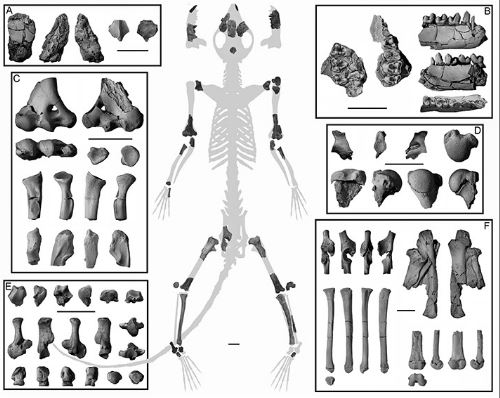
The oldest-known primate skeleton, 62-million-years-old, dwelled in treetops, not on the ground, according to a new analysis.

The study shows that Torrejonia, a small mammal from an extinct group of primates called plesiadapiforms, had skeletal features adapted to living in trees, such as flexible joints for climbing and clinging to branches. Previously, researchers had proposed that plesiadapiforms in Palaechthonidae, the family to which Torrejonia belongs, were terrestrial based on details from cranial and dental fossils consistent with animals that nose about on the ground for insects.
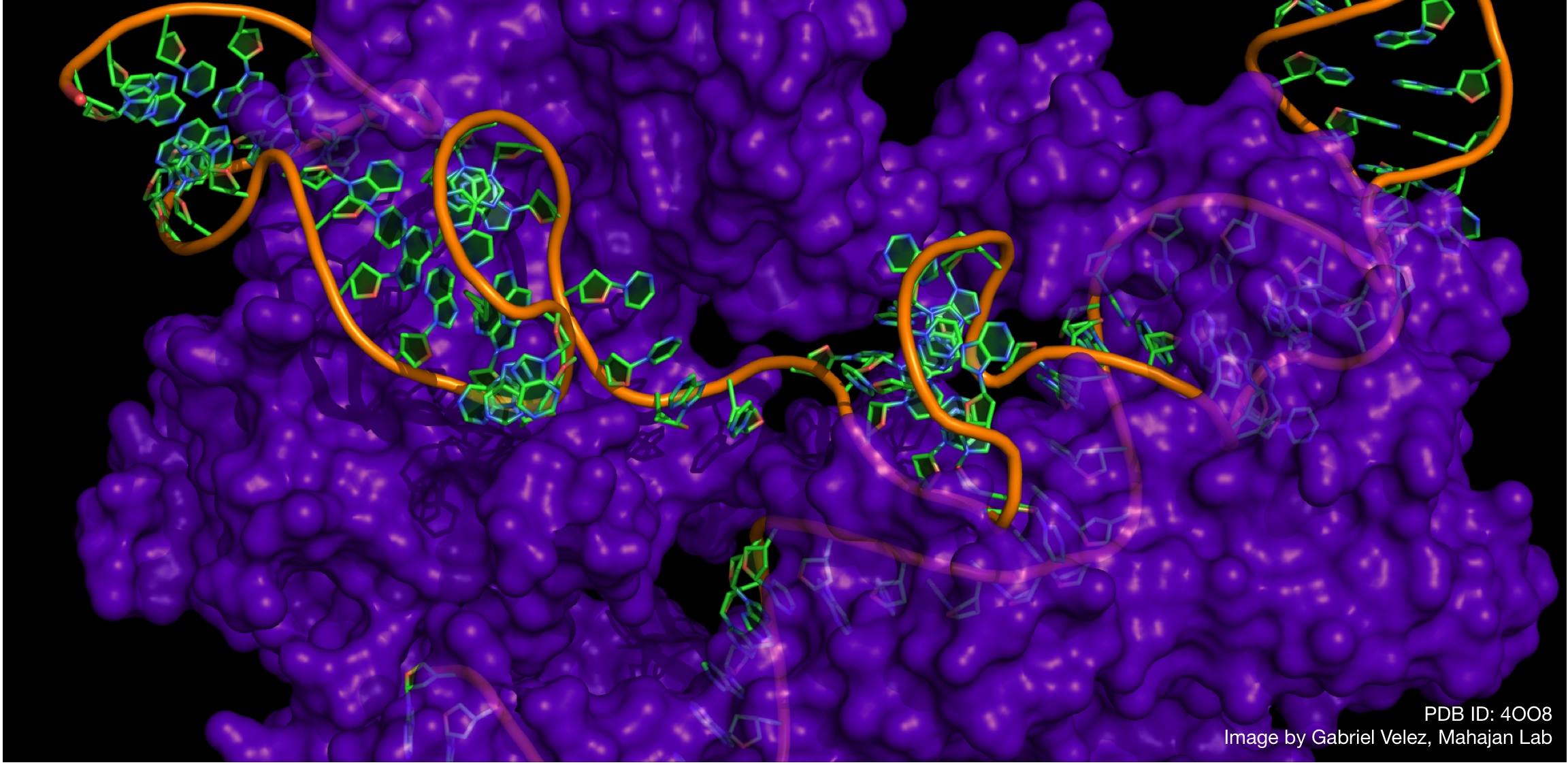
A new paper found that the gene-editing technology CRISPR-Cas9 can introduce hundreds of unintended mutations into the genome, important as it starts to move into clinical trials. 

CRISPR-Cas9 editing technology—by virtue of its speed and unprecedented precision—has been a boon for scientists trying to understand the role of genes in disease. The technique also has raised hope for more powerful gene therapies that can delete or repair flawed genes, not just add new genes.