Banner
Synchrotron Could Shed Light On Exotic Dark Photons

There are many hypothetical particles proposed to explain dark matter and one idea to explore how...

The Pain Scale Is Broken But This May Fix It

Chronic pain is reported by over 20 percent of the global population but there is no scientific...
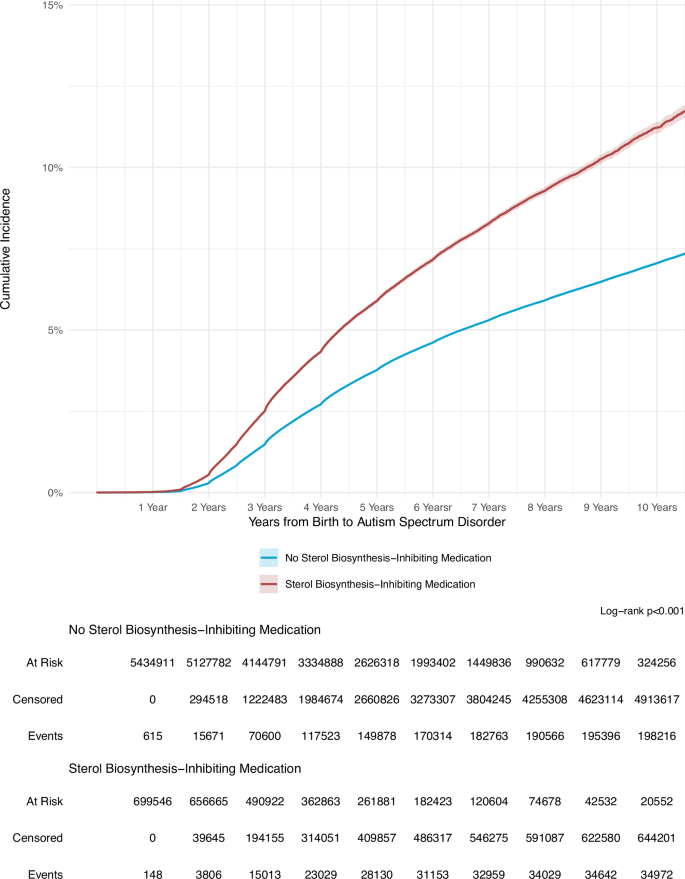
Study Links Antidepressants, Beta-blockers and Statins To Increased Autism Risk

An analysis of 6.14 million maternal-child health records  has linked prescription medications...

Pilot Study: Fibromyalgia Fatigue Improved By TENS Therapy

Fibromyalgia is the term for a poorly-understood condition where people experience pain and fatigue...

User picture.
News StaffRSS Feed of this column.

News Releases From All Over The World, Right To You... Read More »

Blogroll
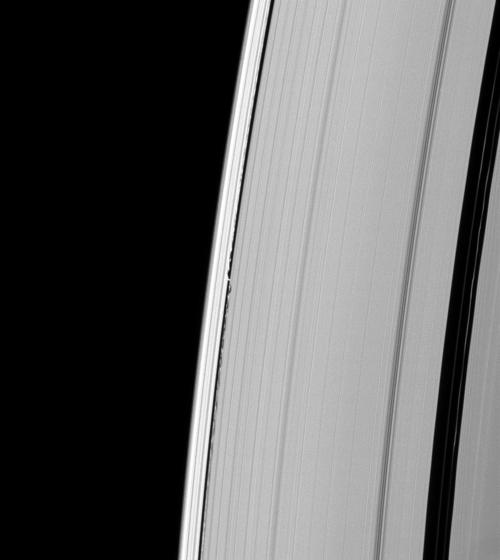
Waves from Daphnis

Undulations mark both sides of the path of Saturn's moon Daphnis through the A ring. 

Daphnis may be small at only 8 kilometers (5 miles) across, but the moon's gravity is great enough, and the Keeler gap in which it resides is narrow enough, so that the perturbed particles create the wavelike patterns seen here. 
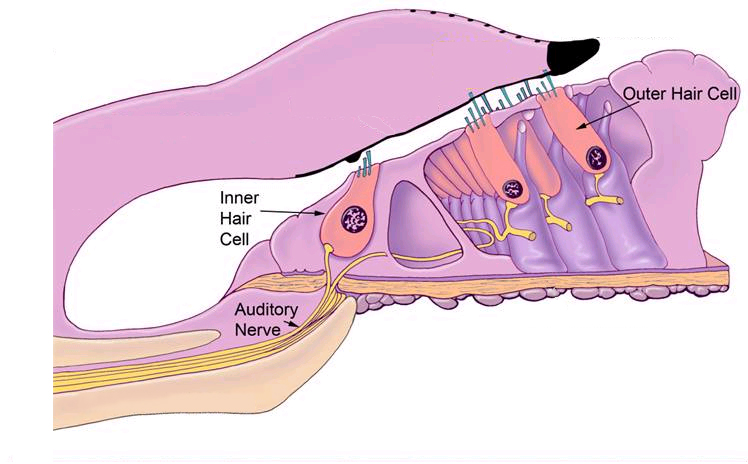
Utah and Texas researchers have learned how quiet sounds are magnified by bundles of tiny, hair-like tubes atop “hair cells” in the ear: when the tubes dance back and forth, they act as “flexoelectric motors” that amplify sound mechanically.

“We are reporting discovery of a new nanoscale motor in the ear,” says Richard Rabbitt, the study’s principal author and a professor and chair of bioengineering at the University of Utah College of Engineering. “The ear has a mechanical amplifier in it that uses electrical power to do mechanical amplification.”
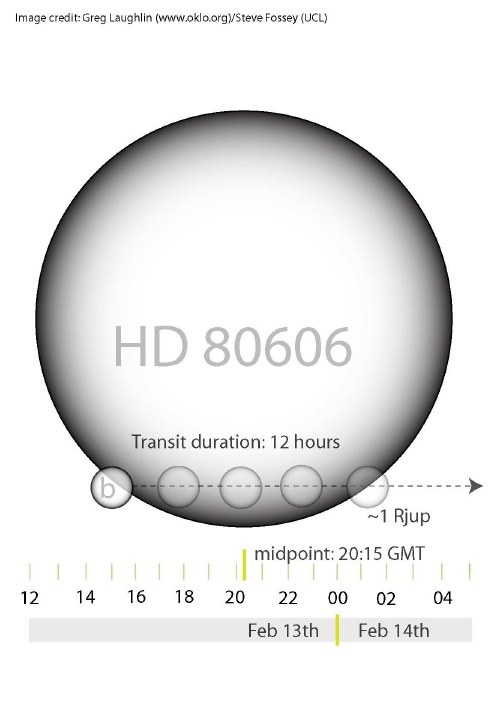
A team of astronomers from University College London (UCL) have discovered that an exotic world passes directly in front of the Sun-like star it orbits, revealing for the first time that it is about the same size as Jupiter.

The team were alerted by the exoplanet science website http://www.oklo.org, run by Greg Laughlin of the University of California Santa Cruz. Using infrared space observations, Greg predicted that a planet (HD 80606b) would pass in front of its parent star (HD 80606) in a so-called transit event.

Rather than travelling to one of the major observatories in Hawaii or Chile, the students used a telescope at UCL's University of London Observatory (ULO) in the capital's northern suburb of Mill Hill.
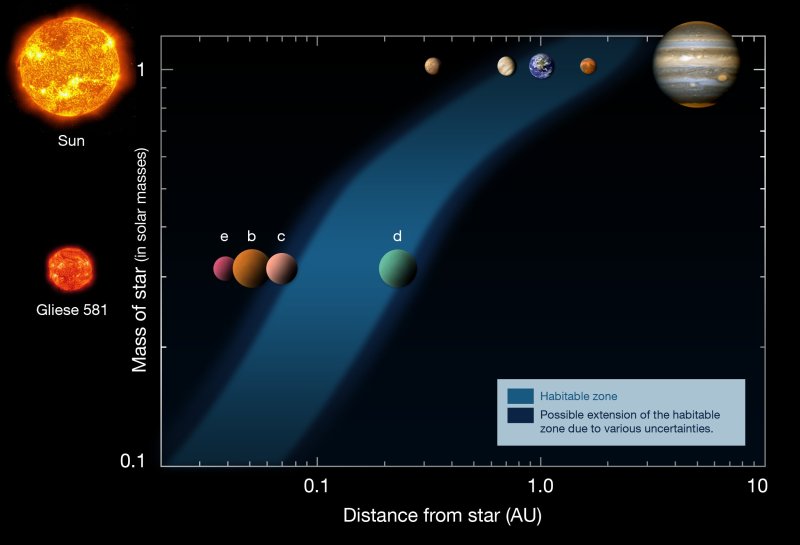
Exoplanet researcher Michel Mayor today announced the discovery of the lightest exoplanet found so far. The planet, Gliese 581 e, in the famous system Gliese 581, is only about twice the mass of our Earth. The team also refined the orbit of the planet Gliese 581 d, first discovered in 2007, placing it well within the habitable zone, where liquid water oceans could exist.

These amazing discoveries are the outcome of more than four years of observations using the most successful low-mass-exoplanet hunter in the world, the HARPS spectrograph attached to the 3.6-meter ESO telescope at La Silla, Chile.
Want to hunt down enemy bacteria?   Look at the sugars on the germs' surface where they start building a 'structure' that helps the microbes resist efforts to kill them.

Scientists have determined that the bacterial cell-surface sugar, a polysaccharide called Psl, is anchored on the surface of the bacterium as a helix, providing a structure that encourages cell-to-cell interaction. When multiple bacterial cells join together with the help of such a structure, they form what is called a biofilm, a persistent community of bugs that is able to resist the effects of a human immune response, as well as antibiotic drugs.
Dartmouth researchers have determined that the presence of the rare element osmium is on the rise globally. They trace this increase to the consumption of refined platinum, the primary ingredient in catalytic converters, the equipment commonly installed in cars to reduce smog. A volatile form of osmium is generated during platinum refinement and also during the normal operation of cars, and it gets dispersed globally through the atmosphere.