Banner
You Didn't Feel Continental Mantle Earthquakes, But They Happened. A Lot

A 1979 seismic event was a different kind of earthquake, and it is has intrigued scientists ever...
How To Overcome Leadership Battles

In times of social rancor and strife, most will fight each other, but societies are saved by those...
Thousands Of Unpublished Studies Show Why Conservation Efforts Miss The Mark

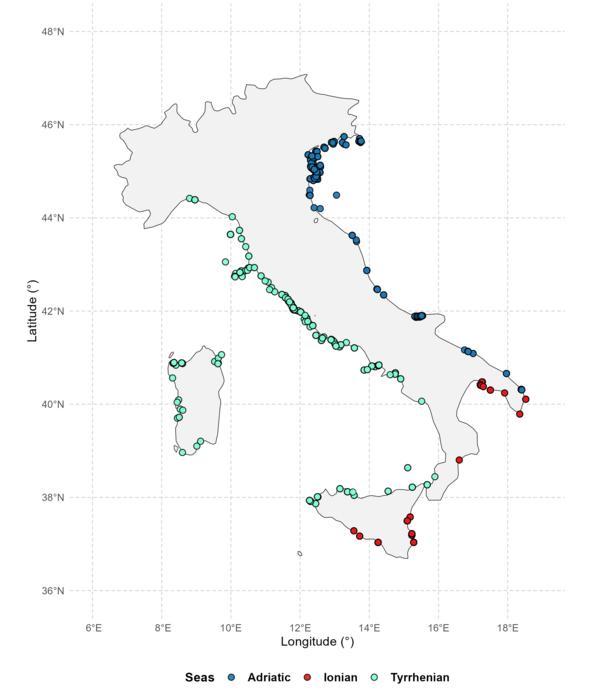
Europe alone has so much unpublished, un-catalogued biological data that it is challenging to take...

Why Antarctic Sea Ice Stopped Growing In 2015

Though numerical models and popular films like An Inconvenient Truth projected Arctic ice...

User picture.
News StaffRSS Feed of this column.

News Releases From All Over The World, Right To You... Read More »

Blogroll
A phrase like 'spring in your step' is usually meant to evoke enthusiasm or happiness but a new study finds that its mechanism, the spring-like arch in our feet, did help us walk on two feet. Just in a different way than previously believed.

Most believe that the raised arch of the foot helps us walk by acting as a lever which helps to lift the body into the next step by propelling the body forward but the new work argues that the recoil of the flexible arch repositions the ankle upright for more effective walking - and the effects in running are even greater.
There were 93 school shootings in the US in a recent two-year period but they were rarely committed by students. Sometimes they were former students of the school but new a survey analysis say their mental health issues may have been aggravated by memories of bullying.
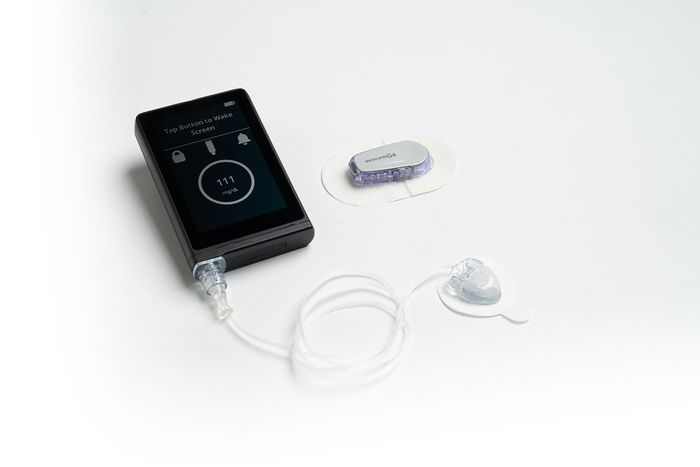
A wearable, pocket-sized, automated insulin delivery device has been approved by the US Food and Drug Administration (FDA). The company calls is the iLet Bionic Pancreas but it's obviously not bionic any more than String Theory is a scientific theory. However, it is now available in this universe for the almost two million Americans with type 1 diabetes.
Sepsis causes 11 million deaths annually so preventing that requires prompt recognition, source control, antibiotics, fluids and vasopressors.

Sometimes adjunctive therapies such as orticosteroids help but the science is inconclusive. A recent study was designed to evaluate the role of corticosteroids in the management of patients with septic shock and the contradictory effects on mortality as recorded in past research and treatment.
In recent geological history, 90,000 of every 100,000 years have been ice ages. It's been 12,000 years since the last one so we may be due.

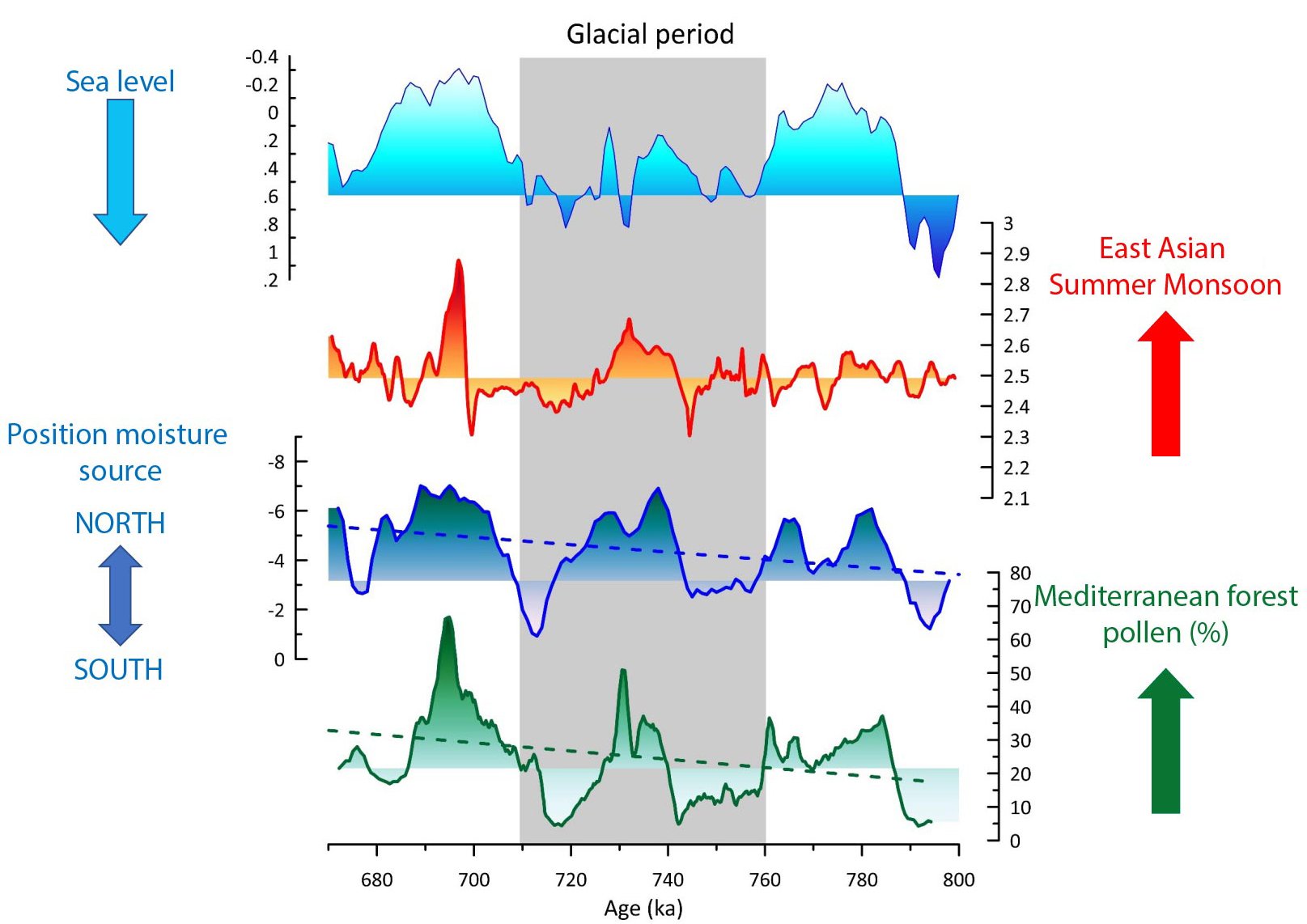
Or not. Climate science has a few rules but a lot of exceptions and 700,000 years ago a big exception occurred. At that time the planet experienced a “warm ice age” and it permanently changed the climate cycles on Earth. Though it became warmer and with more rain, the polar glaciers also expanded. Geological data in combination with computer simulations published in Nature Communications hopes to lend insight into this paradox.
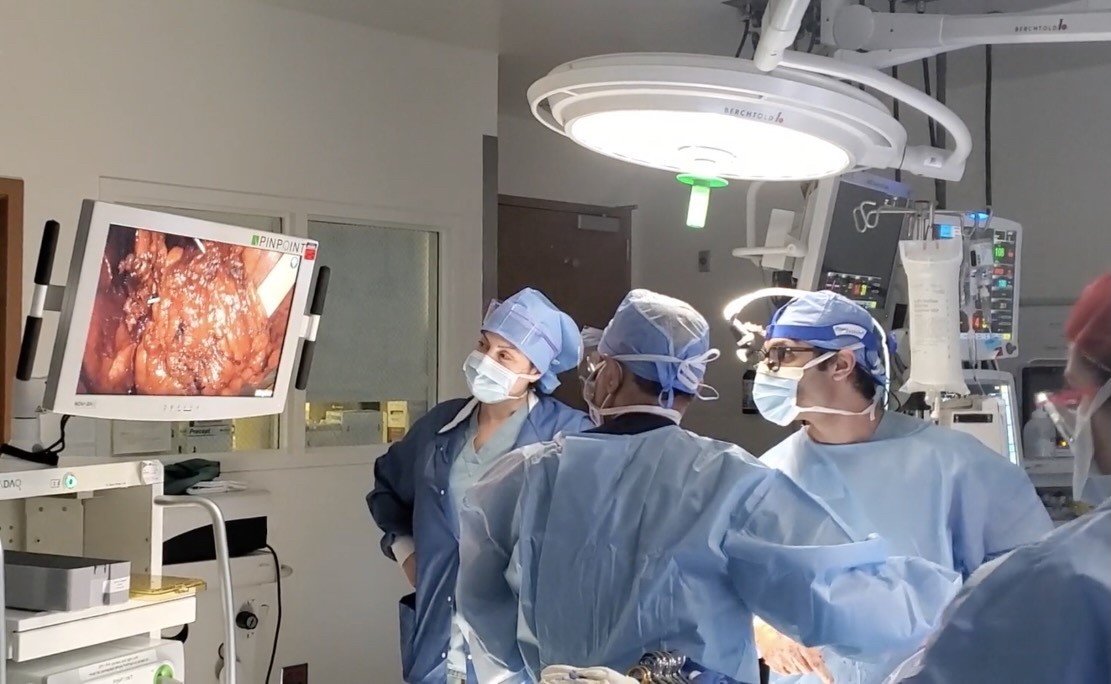
Screening is underway to find a patient for the world's first bladder transplant in humans