Banner
Social Media Is A Faster Source For Unemployment Data Than Government

Government unemployment data today are what Nielsen TV ratings were decades ago - a flawed metric...

Gestational Diabetes Up 36% In The Last Decade - But Black Women Are Healthiest

Gestational diabetes, a form of glucose intolerance during pregnancy, occurs primarily in women...

Object-Based Processing: Numbers Confuse How We Perceive Spaces

Researchers recently studied the relationship between numerical information in our vision, and...

Males Are Genetically Wired To Beg Females For Food

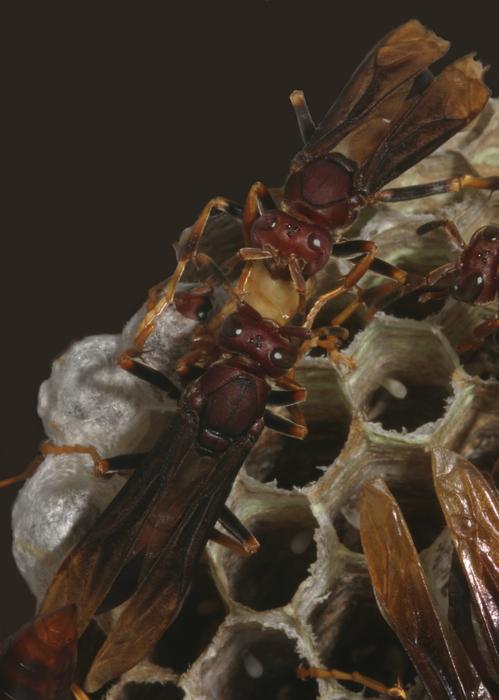
Bees have the reputation of being incredibly organized and spending their days making sure our...

User picture.
News StaffRSS Feed of this column.

News Releases From All Over The World, Right To You... Read More »

Blogroll

New Scientist has written an article stating that new quantum technology can run a routine called Shor’s algorithm and that means the most dangerous threat posed by quantum computing, the ability to break the codes that protect our personal data, is now a step closer to reality.

Worse, they report this feat has been performed by not one but two research groups, acting independently; one led by Andrew White at the University of Queensland in Brisbane, Australia, and the other by Chao-Yang Lu of the University of Science and Technology of China, in Hefei. Both teams have built laser-based quantum computers that can implement Shor’s algorithm and defeat today’s most common encryption systems.

Full article: http://www.newscientist.com

The AIDS virus (HIV) attacks immune system cells and once inside them it multiplies. In some of these immune cells, viral stocks are not very accessible to antiviral therapy. CNRS, Institut Curie and Institut Pasteur researchers investigating how HIV avoids being destroyed by immune cells have discovered that HIV alters the pH of the cellular compartments where it accumulates, thus stopping the activation of the very enzymes that would normally degrade it.

When viruses or infectious bacteria enter our body, the immune system is triggered to eliminate them, through a process involving various types of white blood cells. Some viruses target the immune system.

It’s already known that a person’s social environment can affect their health, with those who are socially isolated—that is, lonely suffering from higher mortality than people who are not. Now, in the first study of its kind, published in the current issue of the journal Genome Biology, UCLA researchers have identified a distinct pattern of gene expression in immune cells from people who experience chronically high levels of loneliness. The findings suggest that feelings of social isolation are linked to alterations in the activity of genes that drive inflammation, the first response of the immune system. The study provides a molecular framework for understanding why social factors are linked to an increased risk of heart disease, viral infections and cancer.

Why would prehistoric reptiles have needed to develop modern ears? No one can say for sure but it is certain that a new study by Johannes Müller and Linda Tsuji, paleobiologists at the Natural History Museum of the Humboldt University in Berlin, has pushed back the date of impedance-matching hearing by some 60 million years.

The fossil animals they studied, found in deposits of Permian age near the Mezen River in central Russia, possessed all the anatomical features typical of a vertebrate with a surprisingly modern ear.

When vertebrates had conquered land and the ancestors of modern day mammals, reptiles, and birds first began to diversify, hearing was not of high importance.

The way to a man’s heart is through his stomach but the way to a female chimpanzees may be through being a great thief. Researchers studying wild chimps in West Africa have learned that males steal desirable fruits from local orchards as a means of attracting female mates.

Lead researcher, Dr Kimberley Hockings from the University of Stirling’s Department of Psychology said: “We believe the males may be using crop-raids as a way to advertise their prowess to other group-members, especially the opposite sex.

Research presented at the British Pharmaceutical Conference (BPC) in Manchester, shows that a compound extracted from tangerine peel can kill certain human cancer cells.

Researchers based at the Leicester School of Pharmacy showed that human cancer cells (which contain an enzyme called P450 CYP1B1) were destroyed by a compound called Salvestrol Q40, contained in tangerine peel. Some types of human cancer cells contain abnormally high levels of P450 CYP1B1.(1), (2)

Salvestrol Q40 is found in the skin of fruits but is removed from the diet when fruit is eaten without its peel or is processed for fruit-based products such as fruit juice.