Banner
You Didn't Feel Continental Mantle Earthquakes, But They Happened. A Lot

A 1979 seismic event was a different kind of earthquake, and it is has intrigued scientists ever...

How To Overcome Leadership Battles

In times of social rancor and strife, most will fight each other, but societies are saved by those...

Thousands Of Unpublished Studies Show Why Conservation Efforts Miss The Mark

Europe alone has so much unpublished, un-catalogued biological data that it is challenging to take...

Why Antarctic Sea Ice Stopped Growing In 2015

Though numerical models and popular films like An Inconvenient Truth projected Arctic ice...

User picture.
News StaffRSS Feed of this column.

News Releases From All Over The World, Right To You... Read More »

Blogroll

Researchers at the Monell Chemical Senses Center have identified a genetically-transmitted metabolic defect that can lead to obesity in some individuals. The defect involves decreased production of liver enzymes needed to burn fat and may help to explain why some people become obese while others remain thin.

The global obesity epidemic is thought to be caused in part by the increased availability and intake of high calorie foods rich in fat and carbohydrates. These foods promote weight gain in humans and other animals, leading to a diet-induced obesity. The propensity to gain weight and become obese when consuming a high-fat diet is at least partially controlled by genes.

Supermassive black holes have been discovered to grow more rapidly in young galaxy clusters, according to new results from NASA's Chandra X-ray Observatory. These "fast-track" supermassive black holes can have a big influence on the galaxies and clusters that they live in.

Using Chandra, scientists surveyed a sample of clusters and counted the fraction of galaxies with rapidly growing supermassive black holes, known as active galactic nuclei (or AGN). The data show, for the first time, that younger, more distant galaxy clusters contained far more AGN than older, nearby ones.

Galaxy clusters are some of the largest structures in the Universe, consisting of many individual galaxies, a few of which contain AGN.

In the psychological phenomenon known as “synesthesia,” individuals’ sensory systems are a bit more intertwined than usual. Some people, for example, report seeing colors when musical notes are played.

One of the most common forms is grapheme-color synesthesia, in which letters or numbers (collectively called “graphemes”) are highlighted with particular colors. Although synesthesia has been well documented, it is unknown whether these experiences, reported as vivid and realistic, are actually being perceived or if they are a byproduct of some other psychological mechanism such as memory.

As any child knows, to answer the question “how many,” one must start by adding up individual objects in a group. This cognitive ability is shared by animals as diverse as humans and birds. Surprisingly, the exact brain mechanisms responsible for this process remained unknown until now.

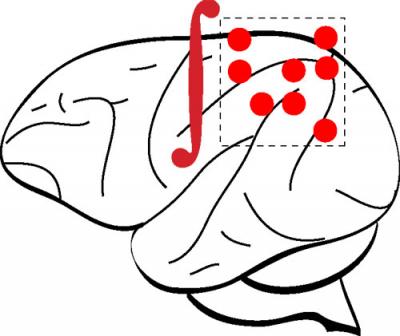
Jamie Roitman, Elizabeth Brannon, and Michael Platt from the University of Illinois at Chicago report novel evidence for the existence of “accumulator neurons,” which respond to increasing numbers of items in a display with progressively increasing activity, in the parietal cortex of monkeys.


Neurons in the lateral intraparietal area of the monkey brain have been shown to integrate information about space and time.

Colloidal silver is peddled as a cold medicine, decongestant, all-around germ fighter, and a kind of cure-all. Is there any legitimate reason for taking the dietary supplement? The short answer is no, and there may be some serious and strange side effects, reports the August 2007 issue of the Harvard Health Letter.

Silver has several uses in conventional medicine. Silver sulfadiazine is used to treat serious burns. Fabric impregnated with silver is sometimes used as a dressing for wounds or skin infections. And silver nitrate is occasionally used to treat warts and corns.

But there’s no proof that taking colloidal silver by mouth has any benefits.

Michael Hofreiter from the Max Planck Institute for Evolutionary Anthropology in Germany, and colleagues from Switzerland and the United States, announce the sequencing of the complete mitochondrial genome of the mastodon (Mammut americanum), a recently extinct relative of the living elephants that diverged about 26 million years ago.

The sequence was obtained from a tooth dated to 50,000–130,000 years ago, increasing the specimen age for which such palaeogenomic analyses have been done by almost a complete glacial cycle.