Banner
You Didn't Feel Continental Mantle Earthquakes, But They Happened. A Lot

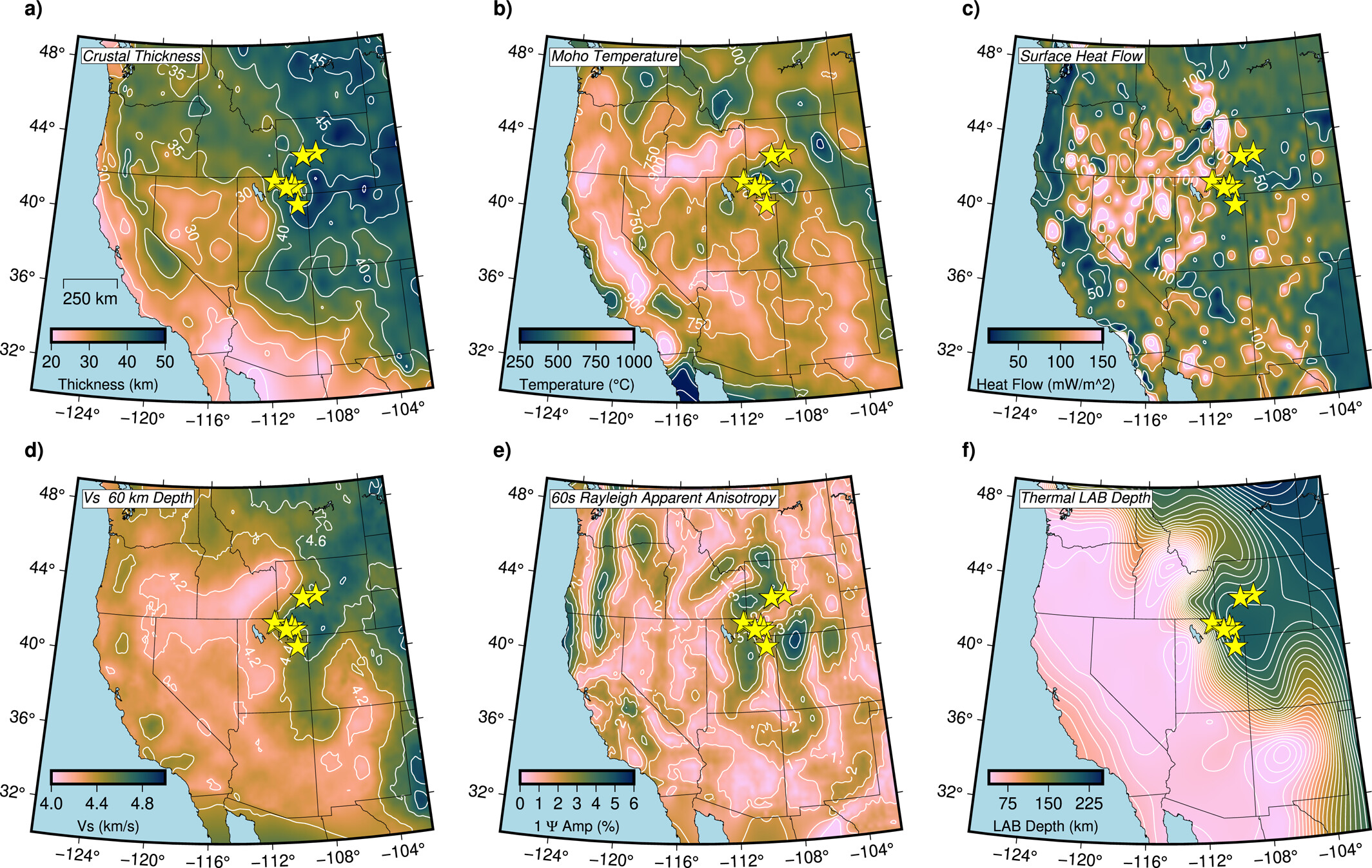
A 1979 seismic event was a different kind of earthquake, and it is has intrigued scientists ever...
How To Overcome Leadership Battles

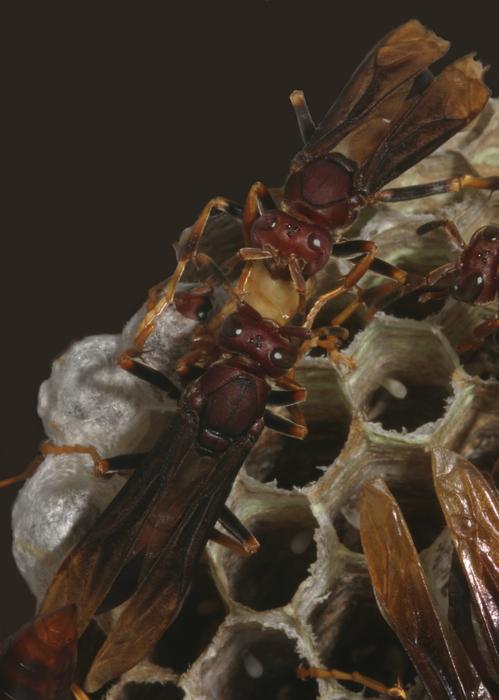
In times of social rancor and strife, most will fight each other, but societies are saved by those...
Thousands Of Unpublished Studies Show Why Conservation Efforts Miss The Mark

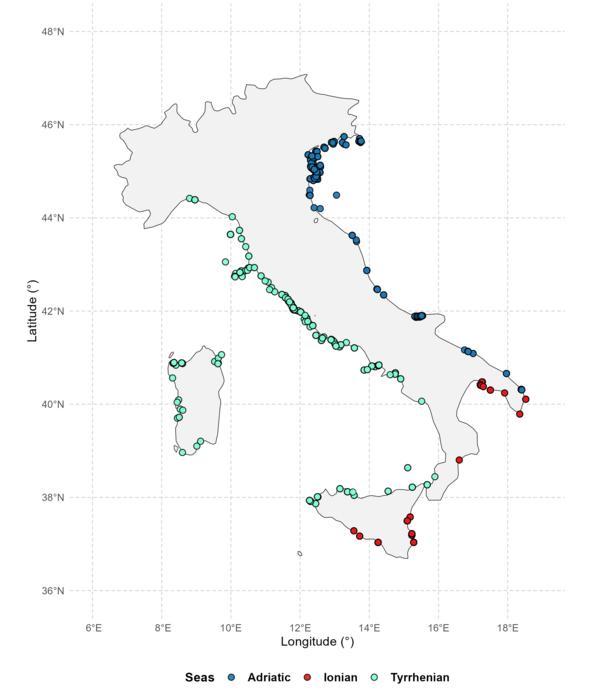
Europe alone has so much unpublished, un-catalogued biological data that it is challenging to take...

Why Antarctic Sea Ice Stopped Growing In 2015

Though numerical models and popular films like An Inconvenient Truth projected Arctic ice...

User picture.
News StaffRSS Feed of this column.

News Releases From All Over The World, Right To You... Read More »

Blogroll

ESA is preparing for future human exploration missions to Mars. We are currently looking for volunteers to take part in a 520-day simulated Mars mission.

To go to Mars is still a dream and one of the last gigantic challenges. But one day some of us will be on precisely that journey to the Red Planet. A journey with no way out once the spaceship is on a direct path to Mars.

These men and women will have to take care of themselves for almost two years during the roundtrip. Their survival is in their own hands, relying on the work of thousands of engineers and scientists back on Earth, who made such a mission possible.


Artist's impression - human mission to Mars. Credits: ESA

Obese and very obese patients have a lower risk of dying after they have been treated for heart attacks than do normal weight patients, according to research published in the European Heart Journal today.

Researchers in Germany and Switzerland found that amongst patients who had received initial treatment for a specific type of heart attack, those that were obese or very obese were less than half as likely to die during the following three years as patients who had a normal body mass index (BMI).

Dr Heinz Buettner, head of interventional cardiology at Herz-Zentrum, Krozingen, Germany, who led the study, said: “Although there is no doubt that people who are overweight, obese and very obese have a higher risk of developing diabetes, hypertension and coronary artery disease, the evidenc

A probe of the upper echelons of the human brain's chain-of-command has found strong evidence that there are not one but two complementary commanders in charge of the brain, according to neuroscientists at Washington University School of Medicine in St. Louis.

It's as if Captains James T. Kirk and Jean-Luc Picard were both on the bridge and in command of the same starship Enterprise.

In reality, these two captains are networks of brain regions that do not consult each other but still work toward a common purpose — control of voluntary, goal-oriented behavior. This includes a vast range of activities from reading a word to searching for a star to singing a song, but likely does not include involuntary behaviors such as control of the pulse rate or digestion.

In a "2007 Hot Article" of the journal Biochemistry, University at Buffalo chemists report the discovery of a central mechanism responsible for the action of the powerful biological catalysts known as enzymes.

The UB research provides critical insight into why catalysis is so complex and may help pave the way for improving the design of synthetic catalysts.

“The more that is known about catalysis, the better chances we have of designing active catalysts,” said John P. Richard, Ph.D., professor of chemistry in the UB College of Arts and Sciences and co-author of the paper with Tina L. Amyes, Ph.D., UB adjunct associate professor of chemistry.

Materials that change temperature in magnetic fields could lead to new refrigeration technologies that reduce the use of greenhouse gases, thanks to new research at the U.S. Department of Energy's Argonne National Laboratory and Ames National Laboratory.

Scientists carrying out X-ray experimentation at the Advanced Photon Source at Argonne — the nation's most powerful source of X-rays for research — are learning new information about magnetocaloric materials that have potential for environmentally friendly magnetic refrigeration systems.

All eyes are on where hurricanes make landfall, but the massive storms actually cause the most deaths inland, where severe flooding often surprises residents.

Now, researchers are learning how to predict where tropical storms and hurricanes will dump the most rain — even days after — and hundreds of miles away from — landfall.

Corene Matyas, an assistant professor of geography at the University of Florida, outlines new tools to predict how the storm’s intensity, distance it has moved inland and landscape topography alters its “rain shields” — the bands of heavy rain so visible in Doppler radar images.