
Banner
You Didn't Feel Continental Mantle Earthquakes, But They Happened. A Lot

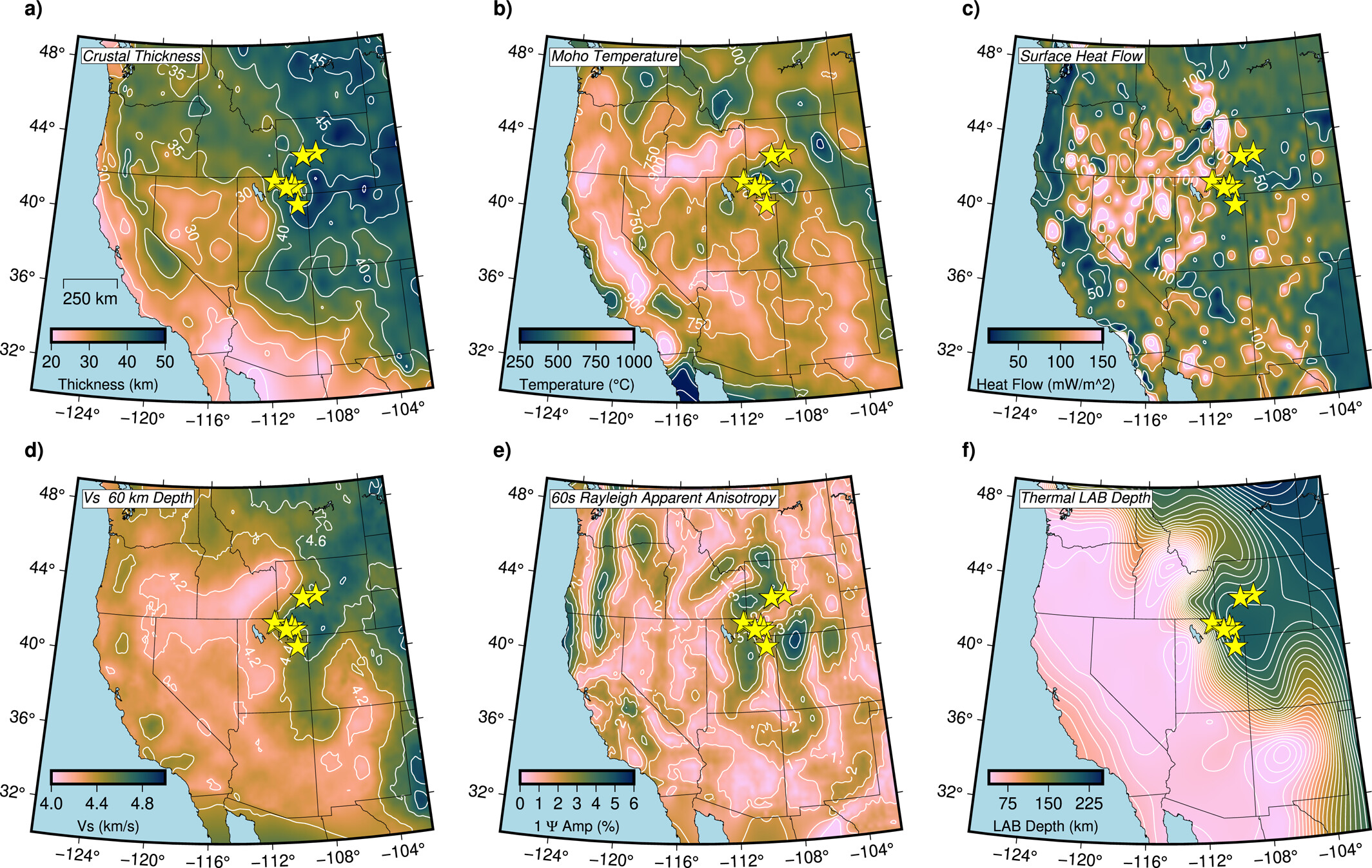
A 1979 seismic event was a different kind of earthquake, and it is has intrigued scientists ever...
How To Overcome Leadership Battles

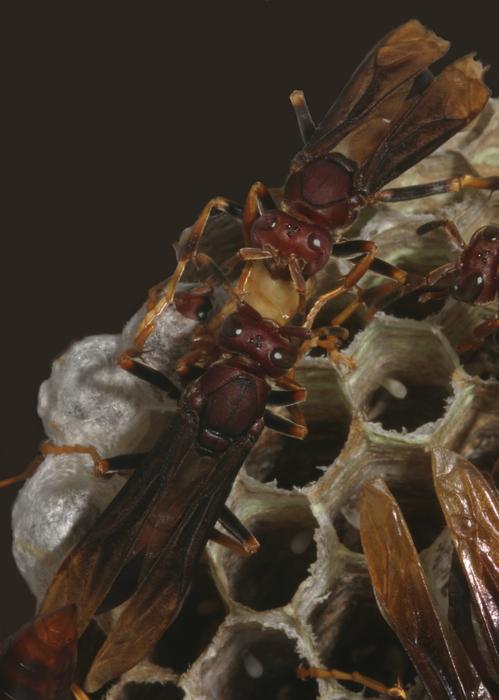
In times of social rancor and strife, most will fight each other, but societies are saved by those...
Thousands Of Unpublished Studies Show Why Conservation Efforts Miss The Mark

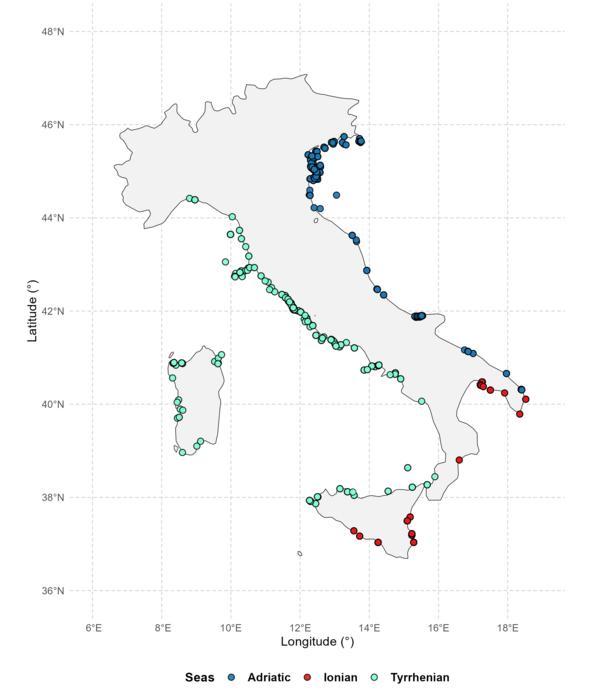
Europe alone has so much unpublished, un-catalogued biological data that it is challenging to take...

Why Antarctic Sea Ice Stopped Growing In 2015

Though numerical models and popular films like An Inconvenient Truth projected Arctic ice...

User picture.
News StaffRSS Feed of this column.

News Releases From All Over The World, Right To You... Read More »

Blogroll

Over the past few years we have been hearing about the anti-oxidising effect of the Mediterranean diet, however until now there have been no reliable scientific studies carried out to prove this. A team of IMIM-Hospital del Mar researchers consisting of Drs. Montserrat Fitó, Rafael de la Torre, Jaume Marrugat under the supervision of Dr. María Isabel Covas, have taken on the task.

Monitoring the saltiness of the ocean water could provide an early indicator of climate change. Significant increases or decreases in salt in key areas could forewarn of climate change in 10 to 20 years time. Presenting their findings at a recent European Science Foundation (ESF) conference, scientists predicted that the waters of the southern hemisphere oceans around South Africa and New Zealand are the places to watch.

Despite overwhelming military superiority, the world’s most powerful nations failed to achieve their objectives in 39 percent of their military operations since World War II, according to a new University of Georgia study.

The study, by assistant professor Patricia L. Sullivan in the UGA School of Public and International Affairs, explains the circumstances under which more powerful nations are likely to fail and creates a model that allows policymakers to calculate the probability of success in current and future conflicts.

The same genetic defect that causes a rare respiratory disease may also lead to some types of congenital heart disease, according to a new study from the University of North Carolina at Chapel Hill School of Medicine.

The link between the two diseases starts with cilia, the tiny, hair-like extensions that help the lungs clear of mucus and remove contaminants such as dust. The researchers first noticed the connection in children with a respiratory disease that affects cilia, primary ciliary dyskinesia (PCD). A genetic mutation that impairs cilia movement causes the disease. A few children treated for PCD at UNC-Chapel Hill also had heterotaxy - an abnormal position of the heart and lungs associated with congenital heart disease.

Slicing certain pills in half could slice a hefty amount off of America’s prescription drug costs. While only some types of pills can be split safely, the practice could be used by millions of Americans – including many of those who take popular cholesterol-lowering drugs.

The Biscuit Fire of 2002 burned more severely in areas that had been salvage logged and replanted, compared to similar areas that were also burned in a 1987 fire but had been left to regenerate naturally, a new Oregon State University Study concludes.

The analysis, one of the first to ever quantify the effect of salvage logging and replanting on future fire severity, is being published this week in Proceedings of the National Academy of Sciences, a professional journal.

It found that fire severity was 16 to 61 percent higher in logged and planted areas, compared to those that had burned severely and were left alone in a fire 15 years earlier.




