Banner
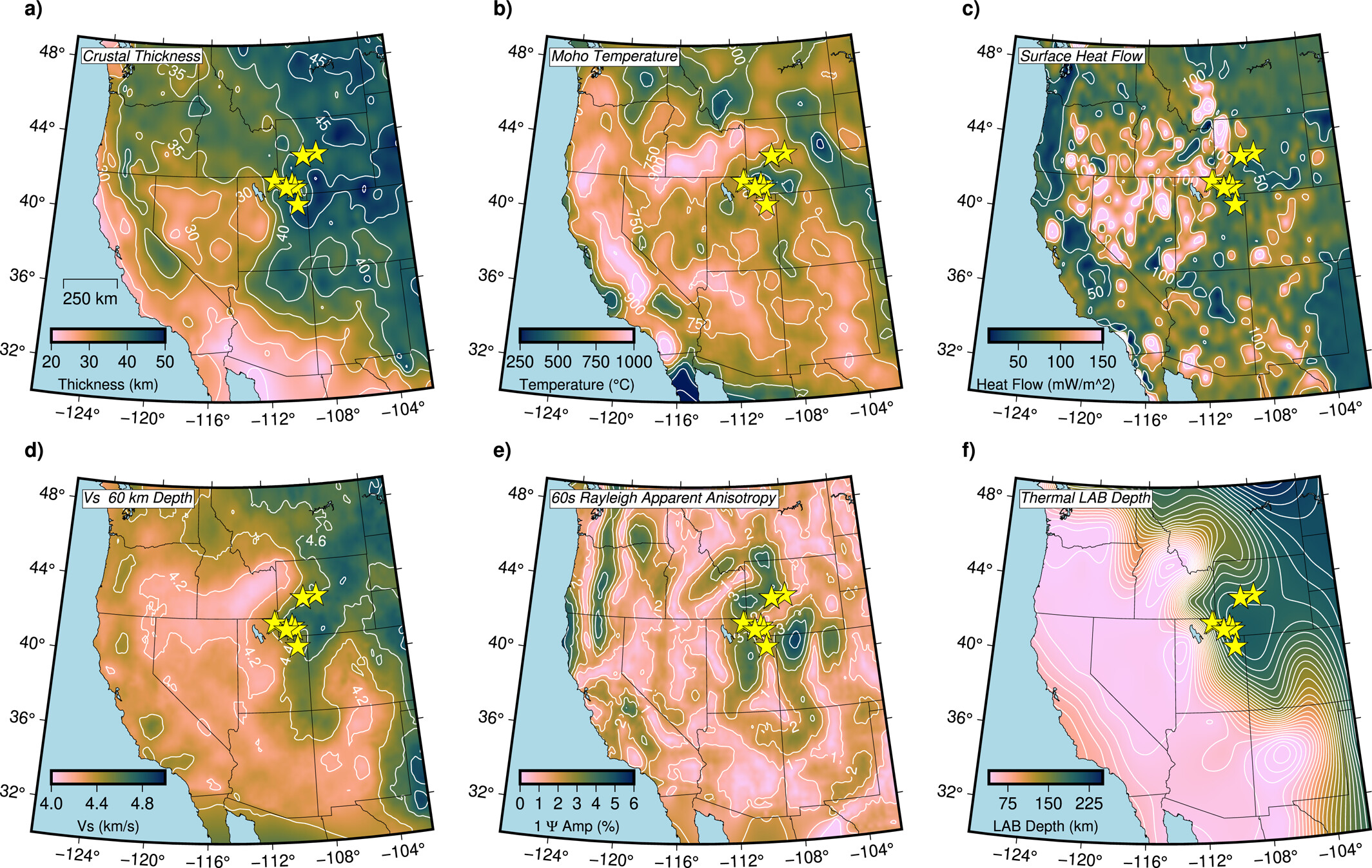
You Didn't Feel Continental Mantle Earthquakes, But They Happened. A Lot

A 1979 seismic event was a different kind of earthquake, and it is has intrigued scientists ever...
How To Overcome Leadership Battles

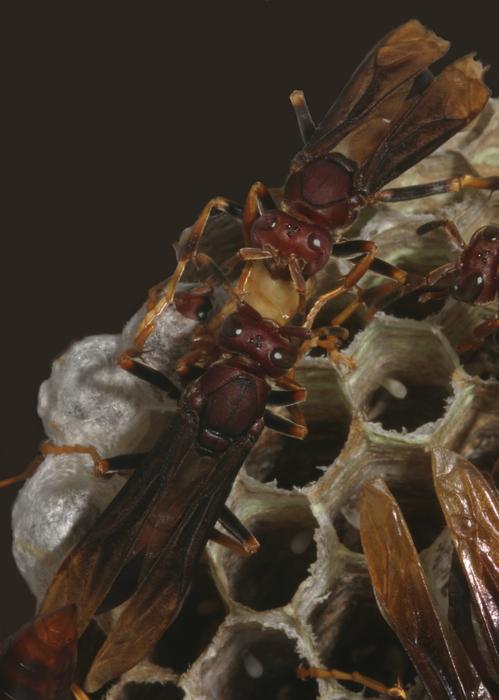
In times of social rancor and strife, most will fight each other, but societies are saved by those...
Thousands Of Unpublished Studies Show Why Conservation Efforts Miss The Mark

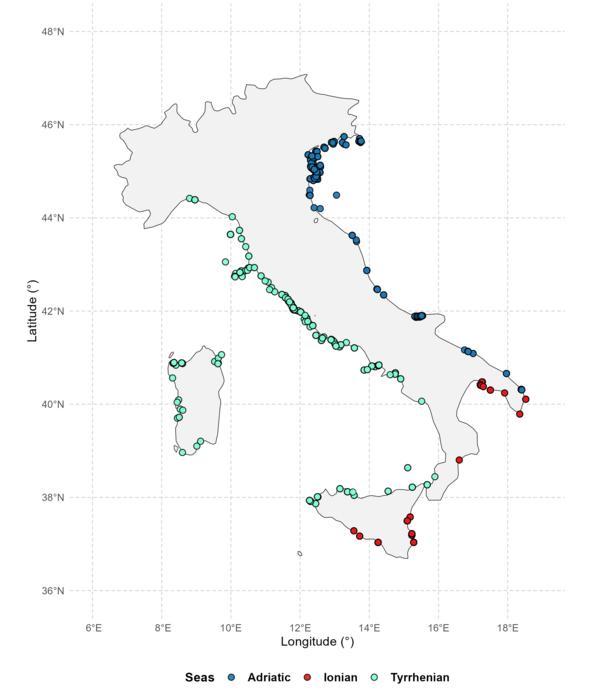
Europe alone has so much unpublished, un-catalogued biological data that it is challenging to take...

Why Antarctic Sea Ice Stopped Growing In 2015

Though numerical models and popular films like An Inconvenient Truth projected Arctic ice...

User picture.
News StaffRSS Feed of this column.

News Releases From All Over The World, Right To You... Read More »

Blogroll

Researchers at the Stanford University School of Medicine have illuminated the path taken by human neural stem cells that were transplanted into the brains of rats and mice, and found that the cells successfully navigate toward areas damaged by stroke.

The research group placed miniscule particles of iron inside stem cells to act as cellular beacons detected by magnetic resonance imaging. With the ability to monitor where the human stem cells go in real time, researchers will have an easier time learning the best way of using the cells to treat human neural disorders, such as stroke, traumatic brain injury, Parkinson's disease or radiation damage.

It could be an artist’s depiction of someone’s stomach before and after a rather decadent meal. But it is a 3-D cryoelectron microscope reconstruction of the cross-section of a virus, before and after cramming itself full of its own DNA.

The Library of Congress has no shortage of reading materials with more than 134 million items in its collection. This summer, a Florida State University chemist will use his knowledge of cellulose, a key component of paper, to help the world’s largest library find ways of preserving its vast treasure trove of books, manuscripts, maps, newspapers and pamphlets, many of which are irreplaceable.

André Striegel, an assistant professor of chemistry and biochemistry at FSU, has been invited to serve as the first Preservation Research and Testing Professor in Residence at the Library of Congress’ Preservation Research & Testing Division.

Divorce puts children at higher risk of Ritalin use compared to kids whose parents stay together, says new research by a University of Alberta sociologist, who cautions that this doesn’t necessarily mean that divorce is harmful to a child. The study appears in this week’s issue of the Canadian Medical Association Journal.

A new study shows that use of antipsychotic drugs is associated with an early and sustained increase in risk of death when used to treat disruptive behavior of older adults with dementia.

The study suggests that both newer “atypical” antipsychotics and older conventional antipsychotics are associated with increased mortality. The highest risk appears to involve use of the older conventional drugs.

Ghost pains, it seems. Why do some people still feel discomfort long after their injuries have healed?

The definitive answer -- and an effective treatment -- has long eluded scientists. Traditional analgesic drugs, such as aspirin and morphine derivatives, haven’t worked very well.

A Northwestern University researcher has found a key source of chronic pain appears to be an old memory trace that essentially gets stuck in the prefrontal cortex, the site of emotion and learning. The brain seems to remember the injury as if it were fresh and can’t forget it.