Banner
You Didn't Feel Continental Mantle Earthquakes, But They Happened. A Lot

A 1979 seismic event was a different kind of earthquake, and it is has intrigued scientists ever...
How To Overcome Leadership Battles

In times of social rancor and strife, most will fight each other, but societies are saved by those...
Thousands Of Unpublished Studies Show Why Conservation Efforts Miss The Mark

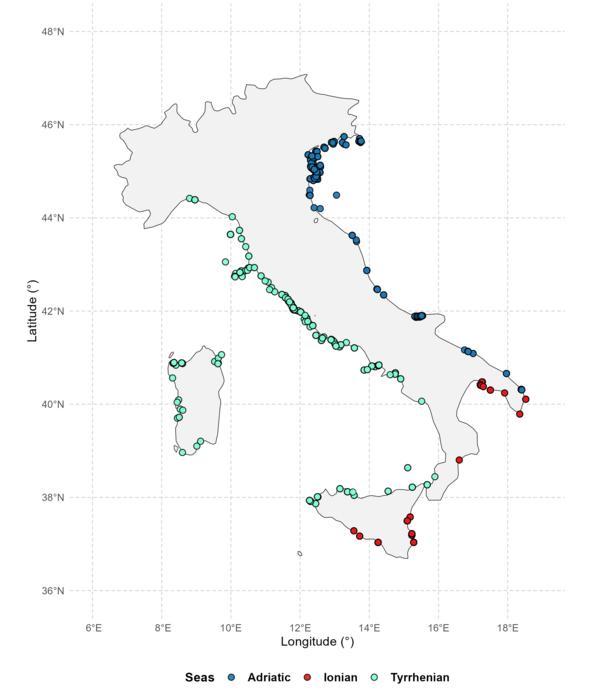
Europe alone has so much unpublished, un-catalogued biological data that it is challenging to take...

Why Antarctic Sea Ice Stopped Growing In 2015

Though numerical models and popular films like An Inconvenient Truth projected Arctic ice...

User picture.
News StaffRSS Feed of this column.

News Releases From All Over The World, Right To You... Read More »

Blogroll

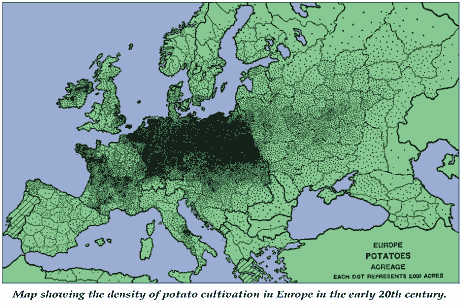
Molecular studies recently revealed new genetic information concerning the long-disputed origin of the “European potato.” Scientists from the University of Wisconsin-Madison, the University of La Laguna, and the International Potato Center used genetic markers to prove that the remnants of the earliest known landraces of the European potato are of Andean and Chilean origin.

“European potatoes,” the cultivated potatoes first appearing in Europe and later spreading worldwide, were first recorded outside of the Americas in 1567 on the Canary Islands Archipelago. Today, scientists believe that the remnant landraces of these early potatoes still grow in on the Canary Islands.


Courtesy: History Magazine

Antipsychotic drugs do most of their work in the brain, but they also leave behind in the bloodstream a trail of hundreds of chemicals that may be used in the future to direct better treatment for schizophrenia and other psychiatric conditions, say Duke University Medical Center researchers.

The study is among the first to use metabolomics -- the measurement of thousands of chemical byproducts of the body's cellular processes -- to look at a psychiatric disease and its response to therapy, according to the researchers.

Keeping at arm's length won't protect you from catching an infectious disease, according to new research by Queensland University of Technology which reveals airborne viruses can spread far and wide.

Professor Lidia Morawska, director of QUT's International Laboratory for Air Quality and Health, said the study dispelled the myth that viruses emitted from humans only travel a metre in the air.

Close on the heels of a large-scale clinical trial just underway to confirm that the female hormone estriol combats the effects of multiple sclerosis (MS) in women, a just completed pilot study at UCLA now shows promise for the use of testosterone to combat its effects in men.

Swedish researchers have found a way to increase the weight of people with Alzheimer's, by improving communication and patient involvement, altering meal routines and providing a more homely eating environment. Patients who gained weight also displayed improved intellectual abilities.

During the three-month study, published in the May issue of Journal of Clinical Nursing, 13 of the 18 patients in the intervention group put on weight, compared with just two of the 15 patients in the control group.

What was it like to walk round the Colosseum when the Roman Empire was at its height? How would the experience have differed from that of a tourist today?

Our understanding of what life was like in bygone eras could be boosted, thanks to a new initiative aiming to depict more accurately and realistically how heritage sites may have looked in their heyday.