
Banner
You Didn't Feel Continental Mantle Earthquakes, But They Happened. A Lot

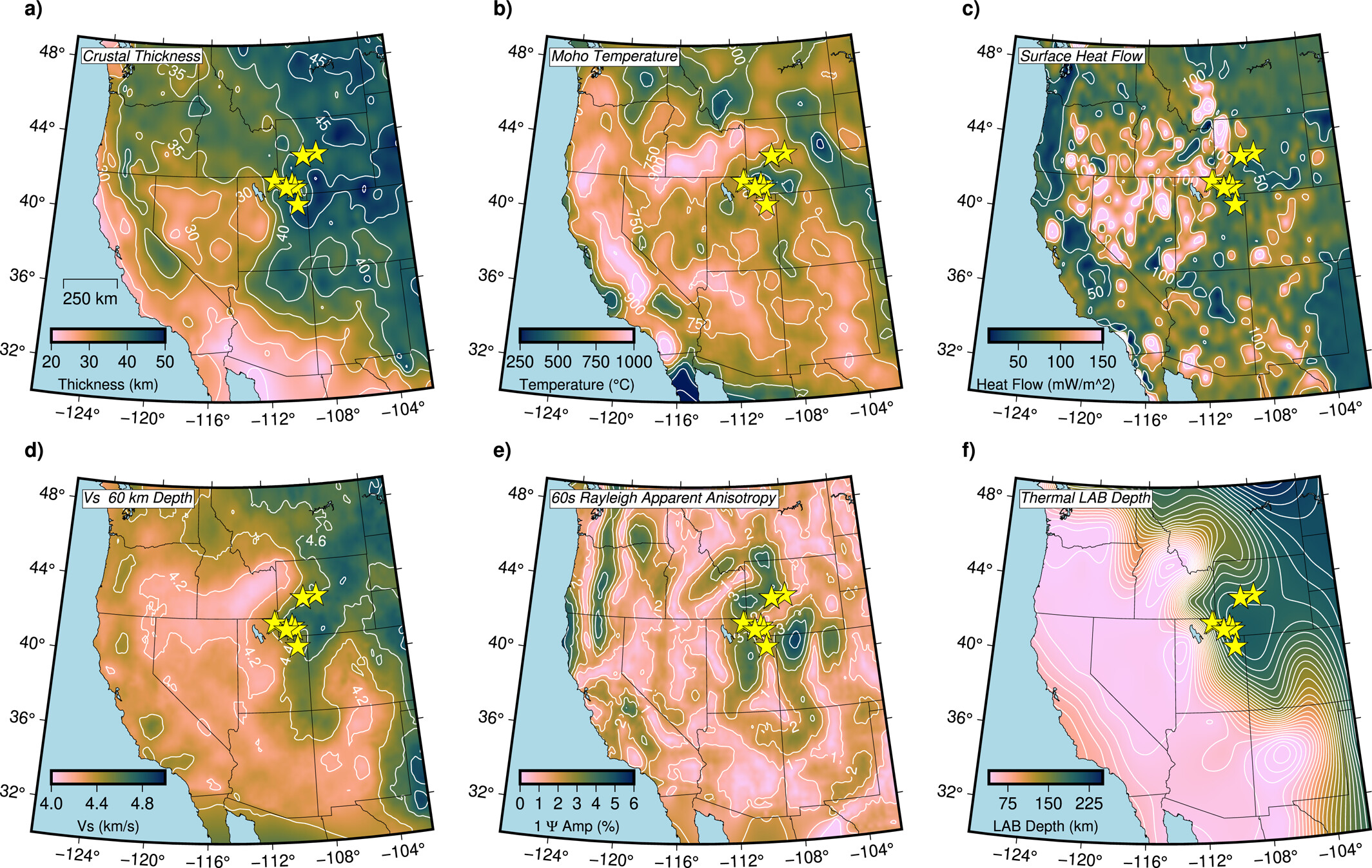
A 1979 seismic event was a different kind of earthquake, and it is has intrigued scientists ever...
How To Overcome Leadership Battles

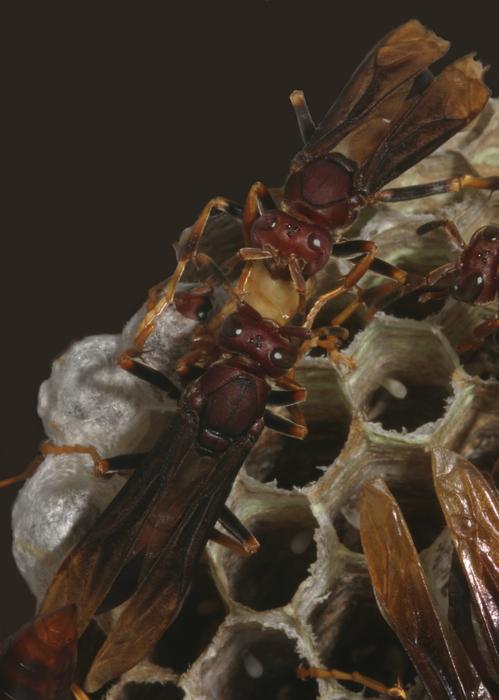
In times of social rancor and strife, most will fight each other, but societies are saved by those...
Thousands Of Unpublished Studies Show Why Conservation Efforts Miss The Mark

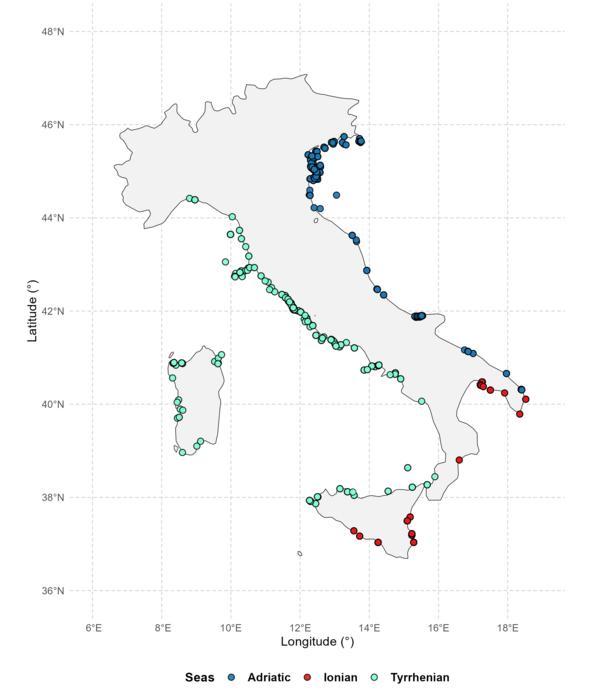
Europe alone has so much unpublished, un-catalogued biological data that it is challenging to take...

Why Antarctic Sea Ice Stopped Growing In 2015

Though numerical models and popular films like An Inconvenient Truth projected Arctic ice...

User picture.
News StaffRSS Feed of this column.

News Releases From All Over The World, Right To You... Read More »

Blogroll

People deal with percentages every day: the performance of a stock portfolio, a sale at the department store, or the performance of a new hybrid car, are all often expressed as percent changes. As an everyday occurrence, calculating percentages should be second nature to the average person. "Not so," says Akshay Rao, professor of marketing at the University of Minnesota Carlson School of Management.

In the paper "When Two and Two is Not Equal to Four: Errors in Processing Multiple Percentage Changes," Rao and Haipeng Chen, a Carlson School doctoral alum and assistant professor at the University of Miami, show that consumers treat percentages like whole numbers, and this results in systematic errors in calculation. People simply aren't coming up with four when they add two plus two.

Researchers have identified genetic markers on several chromosomes in the tissue surrounding tumor cells that are associated with breast cancer tumor grade and the presence of lymph node metastases, according to a study in the May 16 issue of JAMA.

An interdisciplinary team of McGill researchers has uncovered a connection between growing economic inequality and an increase in the number of plant and animal species that are threatened with extinction.

"Our study suggests that if we can learn to share economic resources more fairly with fellow members of our own species, it may help us to share ecological resources more fairly with other species," said Dr. Greg Mikkelson, assistant professor in the McGill School of Environment and Department of Philosophy.

Scientists from the University of California-Davis recently developed a mathematical model of the rate of gene transfer among bacteria in the environment. Researchers believe this new model improves upon existing models by taking into account characteristics of the natural subsurface environments, the typical bacteria hangouts. This model will help scientists to quantify the spread of important bacterial traits.

The swapping of genetic material between bacteria leads to bacterial adaptation and evolution; however, bacterial adaptation is a double-edged sword for the environment.

"What might have been" or fictive learning affects the brain and plays an important role in the choices individuals make – and may play a role in addiction, said Baylor College of Medicine researchers and others in a report that appears online today in the Proceedings of the National Academy of Sciences.

These "fictive learning" experiences, governed by what might have happened under different circumstances, "often dominate the evaluation of the choices we make now and will make in the future, " said Dr. P. Read Montague, Jr., professor of neuroscience at BCM and director of the BCM Human Neuroimaging Laboratory and the newly formed Computational Psychiatry Unit.

A Mediterranean diet halves the chances of developing progressive inflammatory lung disease (COPD), reveals a large study, published ahead of print in Thorax.

COPD (chronic obstructive pulmonary disease) is an umbrella term for chronic progressive lung disease, such as emphysema and bronchitis. It is expected to become the third leading cause of death worldwide by 2020, with cigarette smoking the primary factor in its development.




