Banner
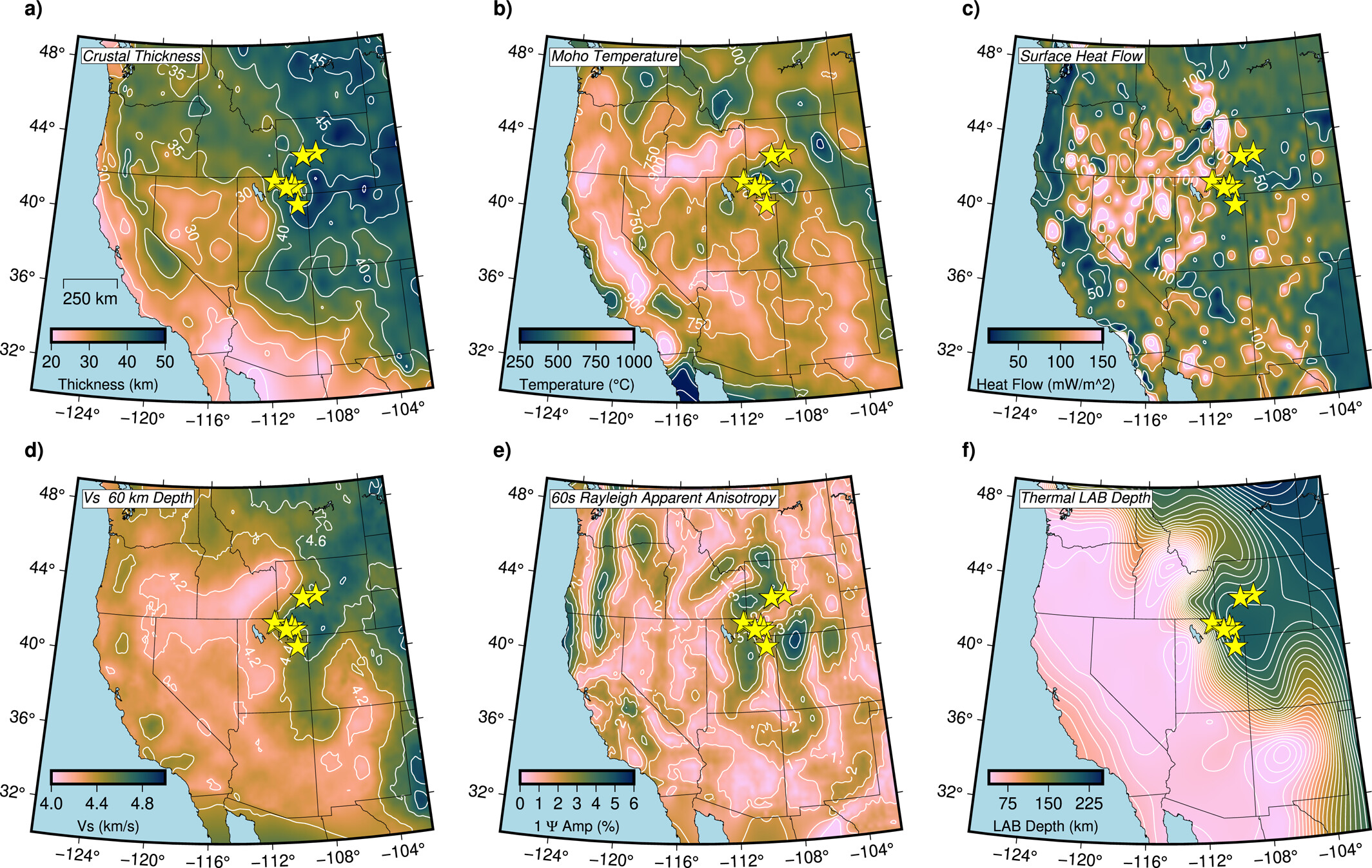
You Didn't Feel Continental Mantle Earthquakes, But They Happened. A Lot

A 1979 seismic event was a different kind of earthquake, and it is has intrigued scientists ever...

How To Overcome Leadership Battles

In times of social rancor and strife, most will fight each other, but societies are saved by those...

Thousands Of Unpublished Studies Show Why Conservation Efforts Miss The Mark

Europe alone has so much unpublished, un-catalogued biological data that it is challenging to take...

Why Antarctic Sea Ice Stopped Growing In 2015

Though numerical models and popular films like An Inconvenient Truth projected Arctic ice...

User picture.
News StaffRSS Feed of this column.

News Releases From All Over The World, Right To You... Read More »

Blogroll

The global search for a sustainable energy supply is making significant strides at Wake Forest University as researchers at the university's Center for Nanotechnology and Molecular Materials have announced that they have pushed the efficiency of plastic solar cells to more than 6 percent.

Wake Forest researchers describe how they have achieved record efficiency for organic or flexible, plastic solar cells by creating "nano-filaments" within light absorbing plastic, similar to the veins in tree leaves. This allows for the use of thicker absorbing layers in the devices, which capture more of the sun's light.

A few days ago we told you about the new hydrothermal vent named Medusa.

They chose that name because that name because they also found a unique pink form of the jellyfish order stauromedusae.

The bell-shaped jellyfish sighted near the vents may be of a new species "because no one has seen this color before," said Karen Von Damm, a geologist at the University of New Hampshire.

The first phase of a caloric restriction study in human subjects found evidence that calorie-restricted diets differing substantially in glycemic load can result in comparable long-term weight loss. In other words, calories matter more than carbohydrates.

The study, at the Jean Mayer US Department of Agriculture Human Nutrition Research Center on Aging (USDA HNRCA) at Tufts University and part of the multi-center Comprehensive Assessment of Long-term Effects of Restricting Intake of Energy (CALERIE) trial, accounted for dietary factors that affect hunger and satiety, used laboratory techniques to measure adherence, and was the first of its kind to provide a complete set of meals and snacks to its participants.

Yes, a television broadcast on global warming is going to highlight the one section of the planet that is not warming.

Stephen Padin, the South Pole station science leader, will be featured on the ABC broadcast "Planet Earth 2007: Seven Ways to Help Save the World." Padin is spending the southern winter at the world's most remote scientific observatory.

Use of hydrogen as fuel for vehicles is currently stunted because it is difficult to store in a cost-effective and convenient way. Using metal is too expensive and leads to environmental issues.

Chemists at UC Riverside now offer a possible solution. A class of carbenes – molecules that have unusual, highly reactive carbon atoms – can mimic, to some extent, the behavior of metals, the chemists have found. Called cyclic alkyl amino carbenes or CAACs, these organic molecules, the researchers report, could be used to develop carbon-based systems for storing hydrogen.

The study reveals the likely mechanism by which the Arabidopsis plant flowers in response to changes in day length. Earlier research had shown that plants' leaves perceived seasonal changes in day length, which triggers a long-distance signal to travel through the plant's vascular system from the leaf to the shoot apex, where flowering is induced. However, the identity of the long-distance signal remained unclear.