Banner
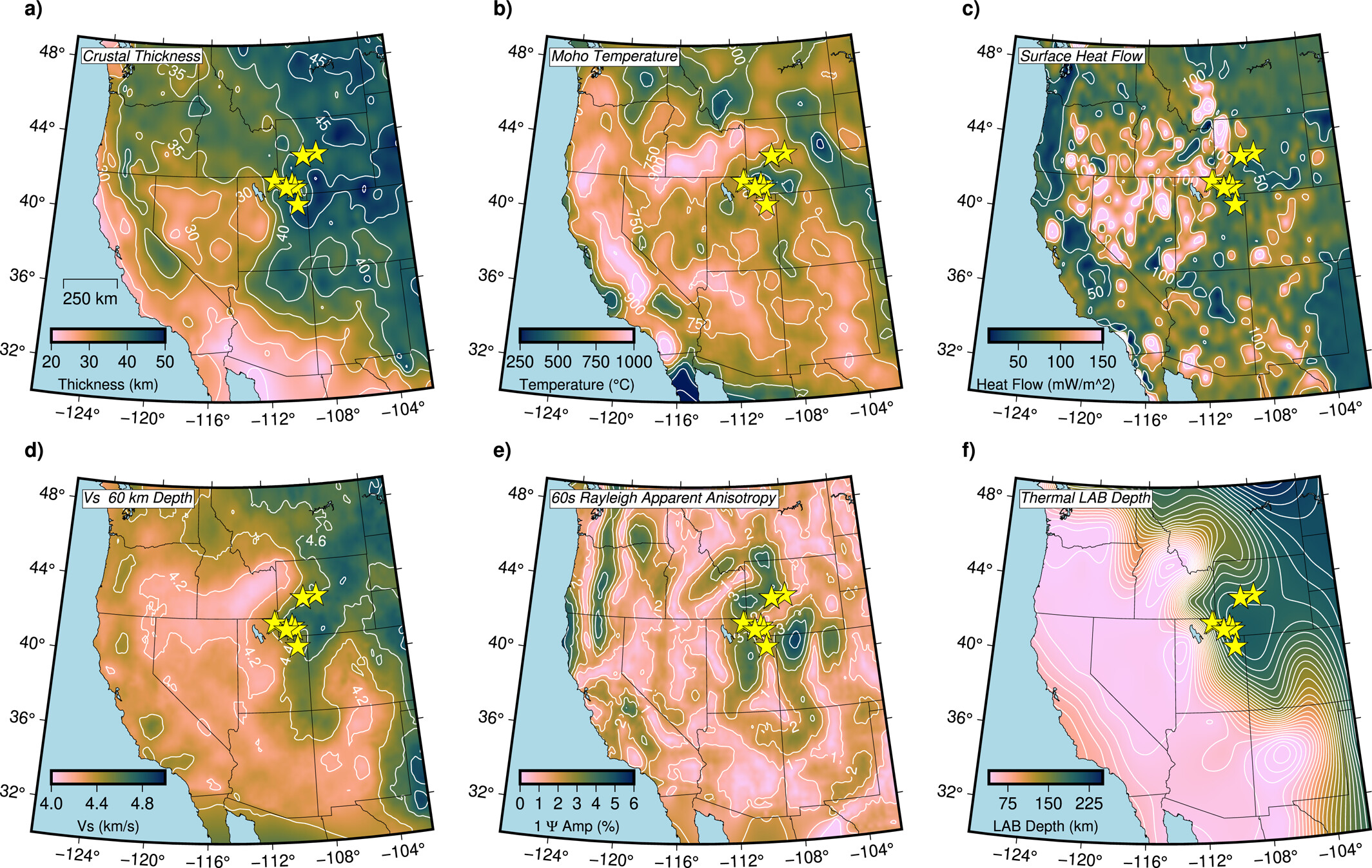
You Didn't Feel Continental Mantle Earthquakes, But They Happened. A Lot

A 1979 seismic event was a different kind of earthquake, and it is has intrigued scientists ever...
How To Overcome Leadership Battles

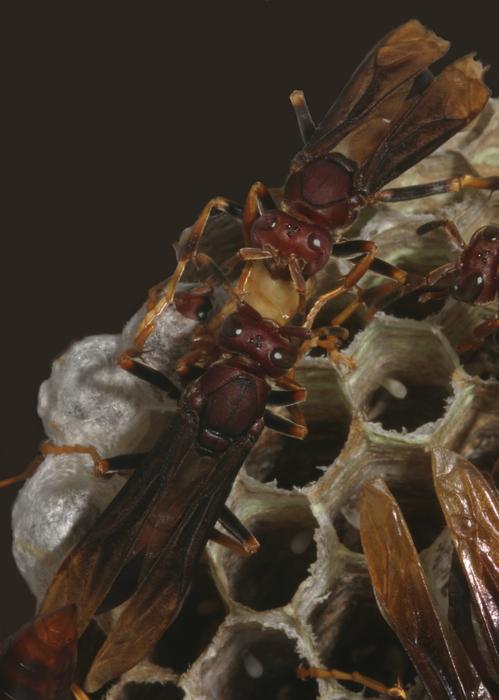
In times of social rancor and strife, most will fight each other, but societies are saved by those...
Thousands Of Unpublished Studies Show Why Conservation Efforts Miss The Mark

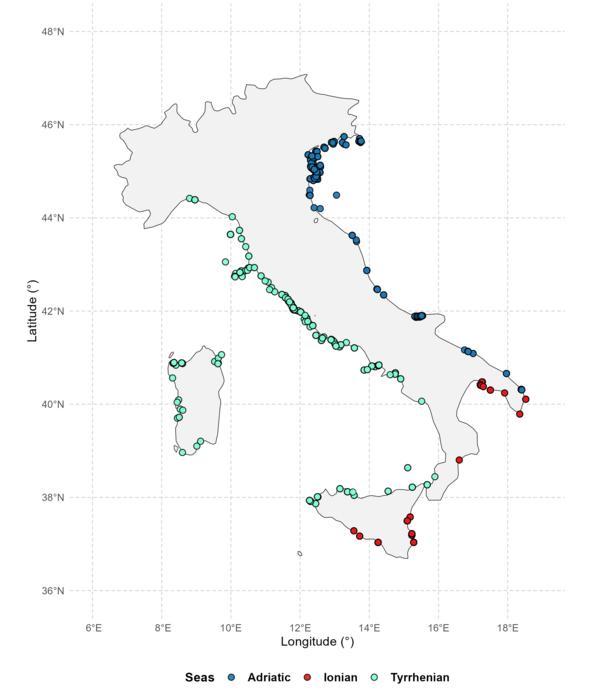
Europe alone has so much unpublished, un-catalogued biological data that it is challenging to take...

Why Antarctic Sea Ice Stopped Growing In 2015

Though numerical models and popular films like An Inconvenient Truth projected Arctic ice...

User picture.
News StaffRSS Feed of this column.

News Releases From All Over The World, Right To You... Read More »

Blogroll

NASA scientists believe they have found a way to predict the color of plants on planets in other solar systems.

Green, yellow or even red-dominant plants may live on extra-solar planets, according to scientists whose two scientific papers appear in the March issue of the journal, Astrobiology. The scientists studied light absorbed and reflected by organisms on Earth, and determined that if astronomers were to look at the light given off by planets circling distant stars, they might predict that some planets have mostly non-green plants.


In the process of photosynthesis, plants convert energy from the sun into chemical energy in the form of glucose, or sugar.

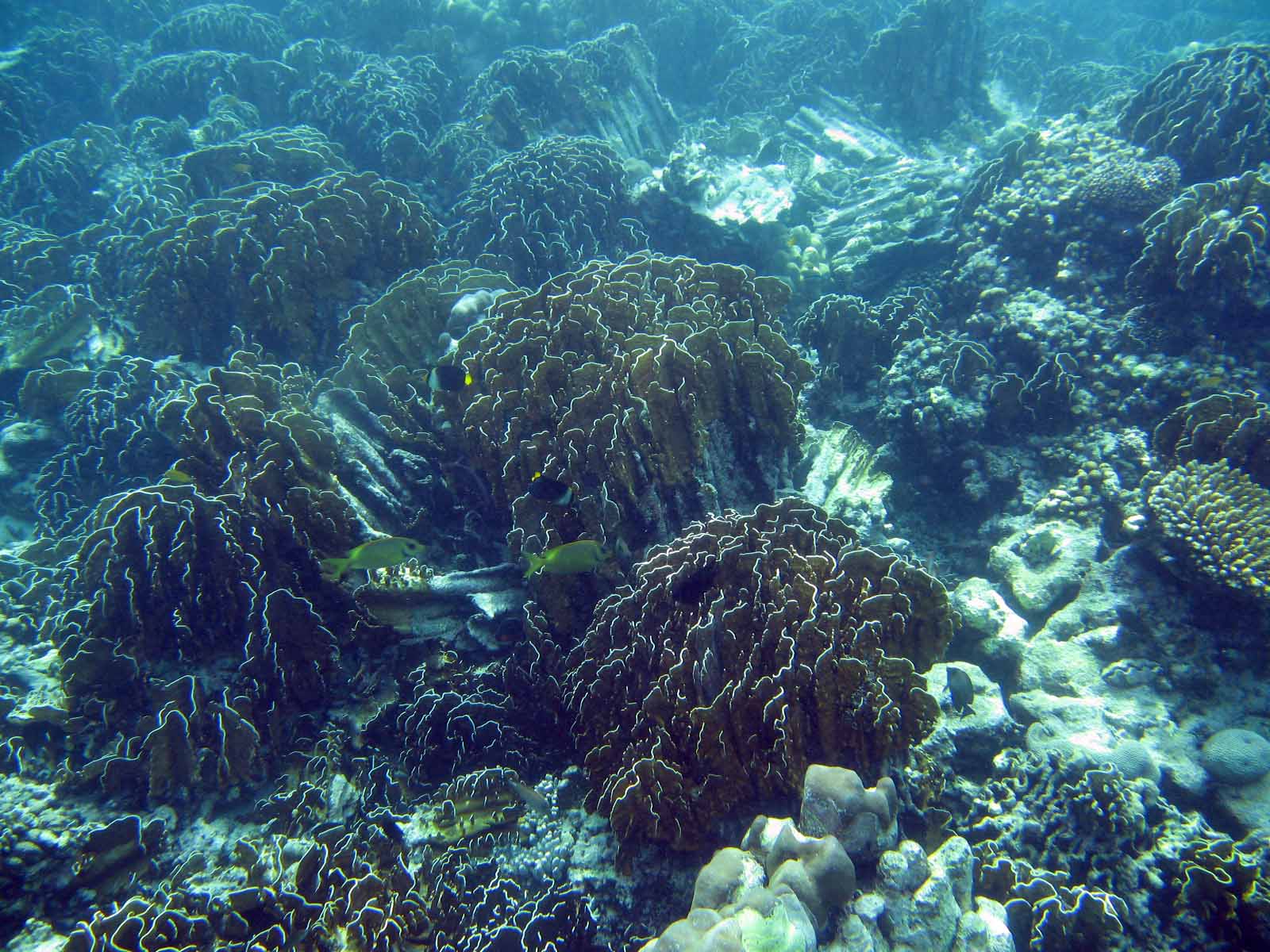
Scientists have reported what is thought to be one of the world’s greatest mass death of corals ever recorded as a result of the earthquake in Aceh, Indonesia on 28 March 2005.

The recent survey by scientists from the Wildlife Conservation Society - Indonesia Program and the Australian Research Council Centre of Excellence for Coral Reef Studies (ARCCoERS) investigated the condition of coral reefs in Pulau Simeulue and Pulau Banyak off Aceh, Indonesia, in March 2007.

CLICK IMAGE FOR FULL SIZE.

Scientists of the MiniBooNE [1] experiment at the Department of Energy's Fermilab [2] today (April 11) announced their first findings. The MiniBooNE results resolve questions raised by observations of the LSND [3] experiment in the 1990s that appeared to contradict findings of other neutrino experiments worldwide.

A Carnegie Mellon University computer scientist says transferring large data files, such as movies and music, over the Internet could be sped up significantly if peer-to-peer (P2P) file-sharing services were configured to share not only identical files, but also similar files.

The primary source of doubt about studies of global warming, economics and medical issues is how well the scientists compiling the data know their statistics.

The European Science Foundation’s three-year SACD network developed new methods for extracting key structural features within the data including outlying values that may be particularly significant within increasingly large and complex data sets.

Coleoptera (beetles) are one of the most successful groups of organisms on Earth. Their success in evolutionary terms is recognised by their extreme adaptive diversity (occupying almost every possible ecological niche) and their longevity (fossils from the Palaeozoic, 280 million years ago). But most of all, their success is indisputable in their sheer species numbers: with over 350,000 named species and many more to be described, they constitute about one fourth of all species on the Planet.