Banner
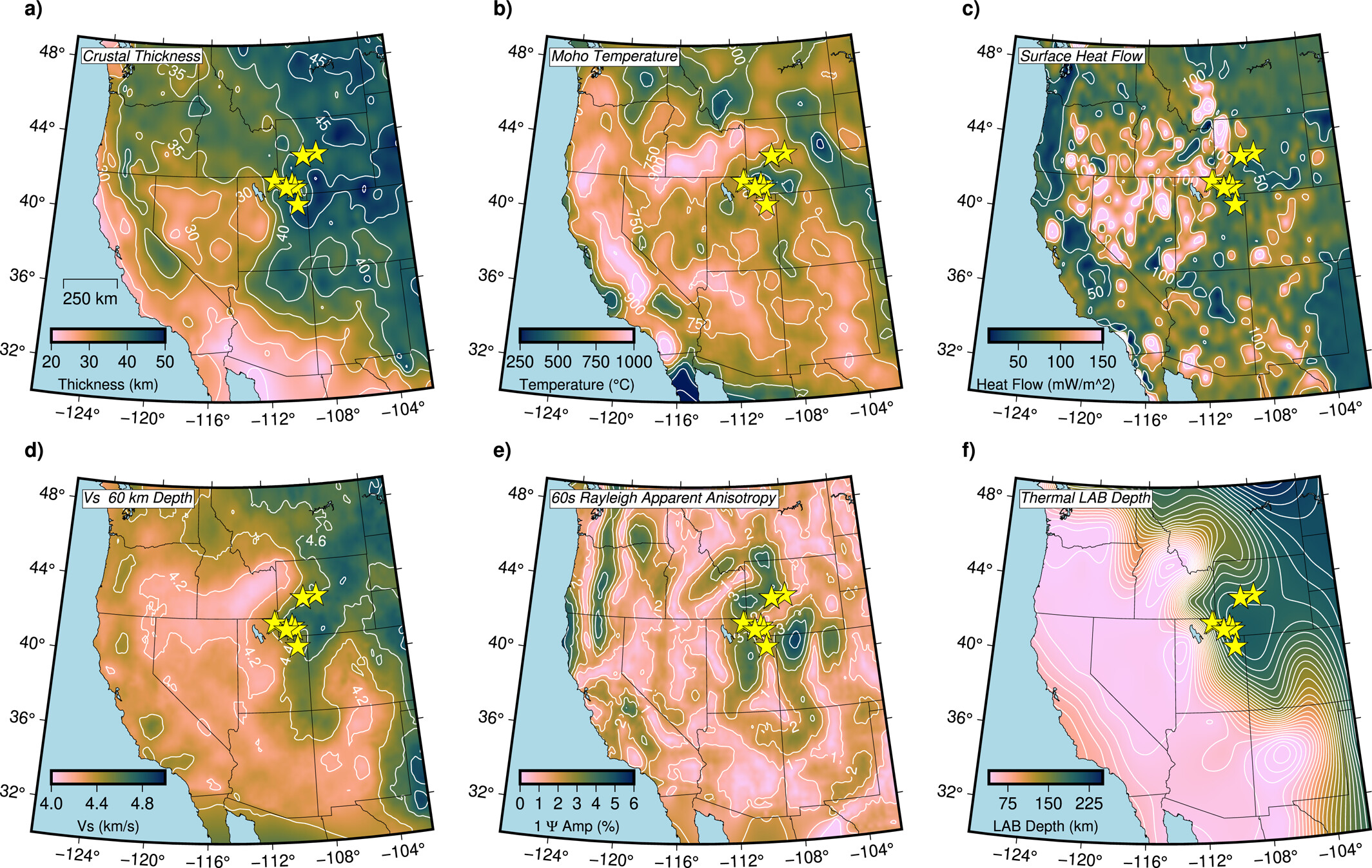
You Didn't Feel Continental Mantle Earthquakes, But They Happened. A Lot

A 1979 seismic event was a different kind of earthquake, and it is has intrigued scientists ever...
How To Overcome Leadership Battles

In times of social rancor and strife, most will fight each other, but societies are saved by those...
Thousands Of Unpublished Studies Show Why Conservation Efforts Miss The Mark

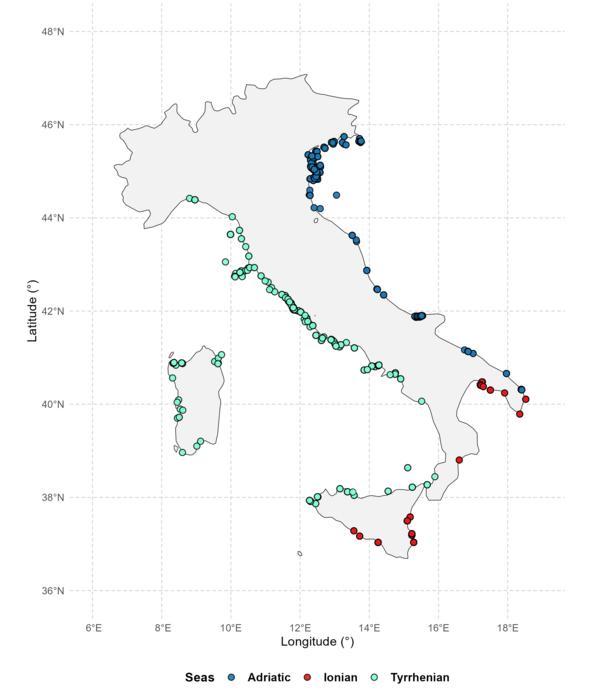
Europe alone has so much unpublished, un-catalogued biological data that it is challenging to take...

Why Antarctic Sea Ice Stopped Growing In 2015

Though numerical models and popular films like An Inconvenient Truth projected Arctic ice...

User picture.
News StaffRSS Feed of this column.

News Releases From All Over The World, Right To You... Read More »

Blogroll

Today, during the 85th General Session of the International Association for Dental Research, scientists are reporting that the use of saliva for clinical detection of major human diseases is only a few years away. Intense research is ongoing to discover diagnostic saliva biomarkers. A necessary prerequisite is to know, in a comprehensive manner, the informative biomarkers in saliva: the diagnostic alphabets. Like languages, which are synthesized from a foundation of alphabets, there are multiple diagnostic languages and thus diagnostic alphabets in saliva. The salivary proteome and the salivary transcriptome are two diagnostic alphabets that are ready for translational and clinical applications.

UCF's Conservatory Theatre and its partners are pushing the envelope of traditional theater by not only bringing it into the 21st Century, but launching it into the 22nd.

Using new techniques that merge the Internet 2 with traditional stage theatre, the University of Central Florida, Bradley University in Illinois and the University of Waterloo in Canada performed a play that put actors from Florida and Canada on the stage in Illinois without them ever leaving their respective campuses.

Geneticists have discovered a new gene that may put individuals at higher risk of developing cardiovascular disease.

The identification of the gene, called kalirin, implicates a biological mechanism never before linked to cardiovascular disease, according to the Duke researchers who led the study. Further study of this new clue could lead to novel ways to treat or even prevent the disease, the researchers said.

"The ultimate goal is to determine who will develop cardiovascular disease," said lead study investigator Liyong Wang, Ph.D., a research associate at the Duke Center for Human Genetics. "Our discovery could lead to a clinical tool for assessing a person's risk of coronary artery disease, so that physicians can try to prevent the disease from progressing."

Using ESO's Very Large Telescope, an international team of astronomers has shown how to use the chemical composition of stars in clusters to shed light on the formation of our Milky Way. This discovery is a fundamental test for the development of a new chemical tagging technique uncovering the birth and growth of our Galactic cradle.

The formation and evolution of galaxies, and in particular of the Milky Way - the 'island universe' in which we live, is one of the major puzzles of astrophysics: indeed, a detailed physical scenario is still missing and its understanding requires the joint effort of observations, theories and complex numerical simulations.

A University of Alberta paleontologist has helped discover the existence of a 95 million-year-old snakelike marine animal, a finding that provides not only the earliest example of limbloss in lizards but the first example of limbloss in an aquatic lizard.

"This was unsuspected," said Dr. Michael Caldwell, from the U of A's Faculty of Science. "It adds to the picture we have of what was happening 100 million years ago. We now know that losing limbs isn't a new thing and that lizards were doing it much earlier than we originally thought. On top of that, this lizard is aquatic.

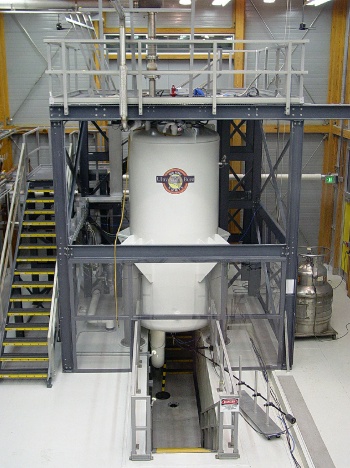
Research performed by a team at Florida State University’s National High Magnetic Field Laboratory suggests that the benefits of building higher-field superconducting magnets likely will far outweigh the costs of building them.

FSU researchers Riqiang Fu, Ozge Gunaydin-Sen and Naresh Dalal discovered something they weren’t expecting while trying to improve the resolution, or quality of image, in the magnet lab’s unique 900-megahertz, 21.1-tesla magnet.