
Banner
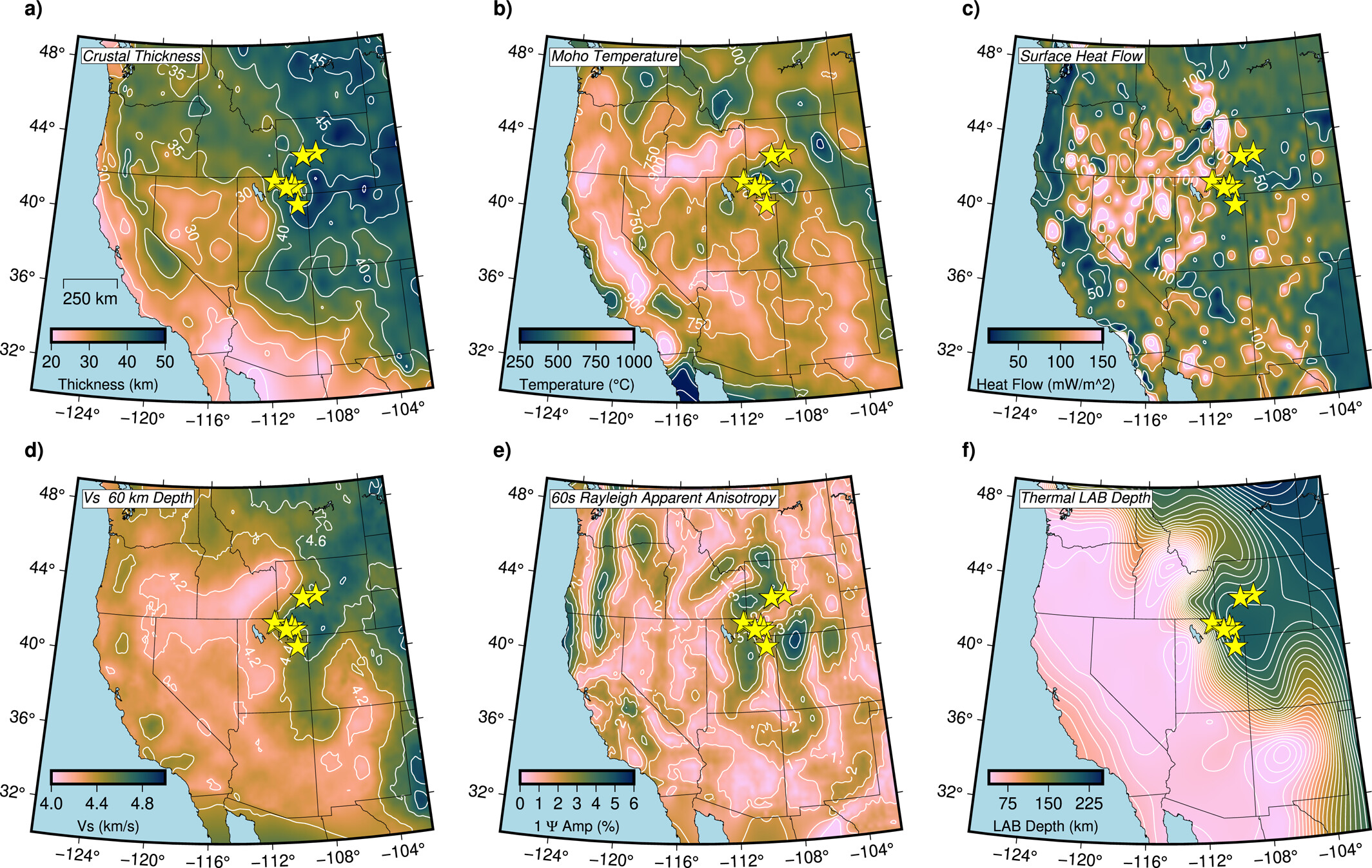
You Didn't Feel Continental Mantle Earthquakes, But They Happened. A Lot

A 1979 seismic event was a different kind of earthquake, and it is has intrigued scientists ever...
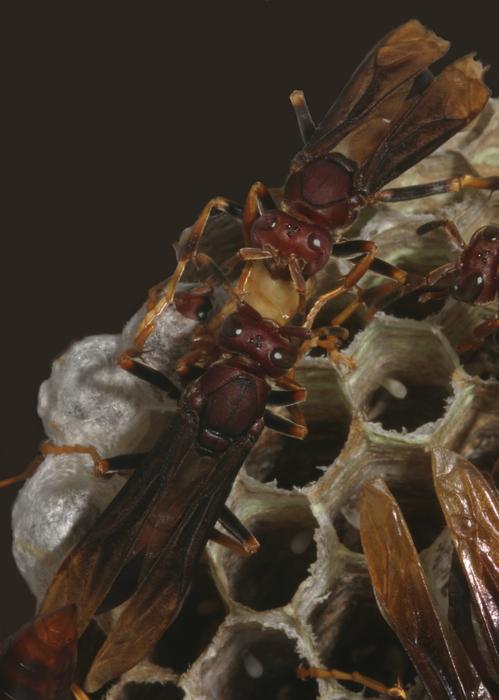
How To Overcome Leadership Battles

In times of social rancor and strife, most will fight each other, but societies are saved by those...
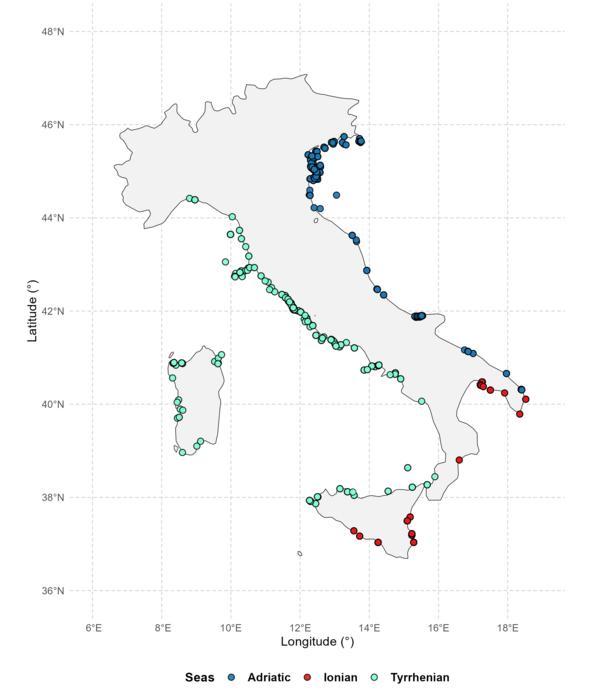
Thousands Of Unpublished Studies Show Why Conservation Efforts Miss The Mark

Europe alone has so much unpublished, un-catalogued biological data that it is challenging to take...

Why Antarctic Sea Ice Stopped Growing In 2015

Though numerical models and popular films like An Inconvenient Truth projected Arctic ice...

User picture.
News StaffRSS Feed of this column.

News Releases From All Over The World, Right To You... Read More »

Blogroll
Seas On Titan

Seas On Titan

Mar 14 2007 | comment(s)

Instruments on NASA's Cassini spacecraft, part of the joint NASA/ESA/ASI Cassini-Huygens mission to Saturn and its moons, have found evidence for seas, likely filled with liquid methane or ethane, in the high northern latitudes of Saturn's moon Titan.

One such feature is larger than any of the Great Lakes of North America and is about the same size as several seas on Earth.


This image of Saturn’s largest moon, Titan, obtained by Cassini's radar instrument during a near-polar flyby on 22 February 2007, features dunes and lakes, one of which is larger than any lake on Earth and could be legitimately called a sea. Titan’s lakes are thought to consist of liquid methane and ethane.

The problem of efficiently delivering drugs, especially those that are hydrophobic or water-repellant, to tumors or other disease sites has long challenged scientists to develop innovative delivery systems that keep these drugs intact until reaching their targets.

Now scientists in the University at Buffalo’s Institute for Lasers, Photonics and Biophotonics and Roswell Park Cancer Institute have developed an innovative solution in which the delivery system is the drug itself.

Purdue University chemical engineers have proposed a new environmentally friendly process for producing liquid fuels from plant matter - or biomass - potentially available from agricultural and forest waste, providing all of the fuel needed for "the entire U.S. transportation sector."

The new approach modifies conventional methods for producing liquid fuels from biomass by adding hydrogen from a "carbon-free" energy source, such as solar or nuclear power, during a step called gasification. Adding hydrogen during this step suppresses the formation of carbon dioxide and increases the efficiency of the process, making it possible to produce three times the volume of biofuels from the same quantity of biomass, said Rakesh Agrawal, Purdue's Winthrop E.

A team of UBC researchers has re-classified an ancient line of aquatic plants previously thought to be related to grasses and rushes. The discovery clarifies what may be one of the biggest misunderstandings in botanical history.

"It’s a classic case of mistaken identity," says Sean Graham, an associate professor and researcher with the UBC Botanical Garden and Centre for Plant Research in the Faculty of Land and Food Systems.

A team from Centre de recherche Université Laval Robert-Giffard (CRULRG) has made significant progress toward finding a way to determine whether a child is likely to one day suffer from bipolar disorder or schizophrenia. The findings of the research team supervised by Dr. Michel Maziade, director of CRULRG, professor in Université Laval’s Faculty of Medicine, and Canada Research Chair in the Genetics of Neuropsychiatric Disorders, will be presented at the International Congress on Schizophrenia Research on March 31 in Colorado Springs.

Schizophrenia and bipolar disorder are problems that emerge early on in life, but that are usually not diagnosed before the age of 20 or 25. The participants in Dr.

Obese men who are diagnosed with prostate cancer have more than two-and-a-half times the risk of dying from the disease as compared to men of normal weight at the time of diagnosis, according to a study by researchers at Fred Hutchinson Cancer Research Center. The findings by senior author Alan Kristal, Dr.P.H., and colleagues appear online and will be published in the March 15 print edition of the journal Cancer.

“I was very surprised by the findings,” said Kristal, member and associate head of the Cancer Prevention Program in the Hutchinson Center’s Public Health Sciences Division. “We found the prostate-cancer-specific mortality risk associated with obesity was similar regardless of treatment, disease grade or disease stage at the time of diagnosis,” he said.





