Banner
You Didn't Feel Continental Mantle Earthquakes, But They Happened. A Lot

A 1979 seismic event was a different kind of earthquake, and it is has intrigued scientists ever...
How To Overcome Leadership Battles

In times of social rancor and strife, most will fight each other, but societies are saved by those...

Thousands Of Unpublished Studies Show Why Conservation Efforts Miss The Mark

Europe alone has so much unpublished, un-catalogued biological data that it is challenging to take...

Why Antarctic Sea Ice Stopped Growing In 2015

Though numerical models and popular films like An Inconvenient Truth projected Arctic ice...

User picture.
News StaffRSS Feed of this column.

News Releases From All Over The World, Right To You... Read More »

Blogroll
The NIH Treatment Guidelines Panel recently changed ivermectin from firmly “against” to the neutral “neither for nor against” when it comes to mild COVID-19 treatment. Ivermectin, developed in 1975, led to the eradication of numerous parasitic diseases and earned the 2015 Nobel Prize for Physiology or Medicine for its discoverers, Dr. William Campbell and Dr. Ōmura Satoshi. It is considered safe and cheap but like another famous drug, the malaria treatment hydroxychloroquine, its claims about COVID-19 are more anecdote than science. In vitro studies are fine exploratory efforts but were only shown to do anything positive at doses far exceeding realistic human levels, unworkable for mild COVID-19.
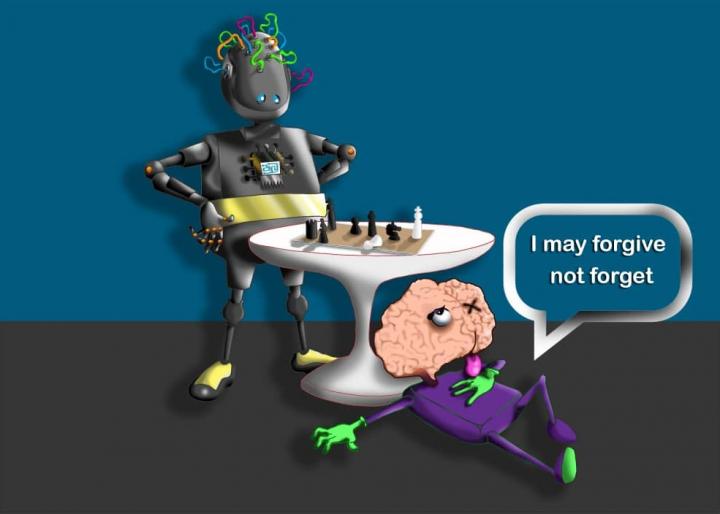
Computers are well-known for being able to recover information quickly - a Google search will often give you the result you wanted as you type, even if you make spelling errors - but are not known for creativity. They are good for storage and retrieval.

A new study finds those may be flipped. The distinction was never absolute anyway. Though it was only in 1996 that a computer beat a chess champion, computers beat lower quality players all of the time. And our memory may be better than we think, it is instead that the brain strategy for storing memories may lead to imperfect memories, while allowing it to store more memories easier than Artificial Intelligence. 
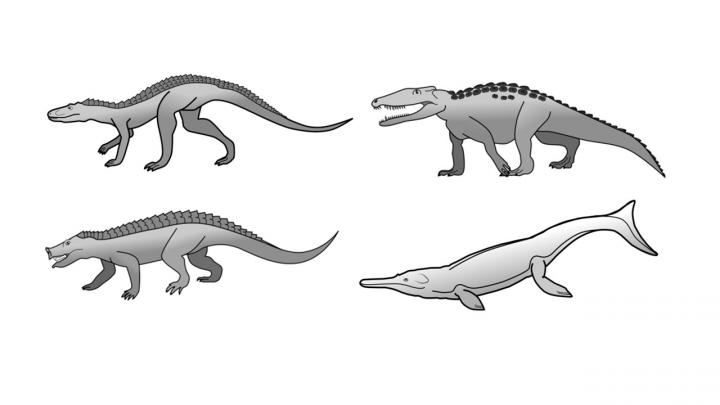
A lot has changed since the age of dinosaurs hundreds of millions of years ago. Humans didn't exist and dinosaurs are gone. Yet crocodiles are still here and, unlike humans, have not evolved much by comparison.
They even look similar to ones from the Jurassic period some 200 million years ago. 

A new study find that it's due to a 'stop-start' pattern of evolution, governed by environmental change. This pattern of evolution known as "punctuated equilibrium" is generally slow, but occasionally means faster evolution because the environment has changed. This new research suggests that their evolution speeds up when the climate is warmer, and that their body size increases.
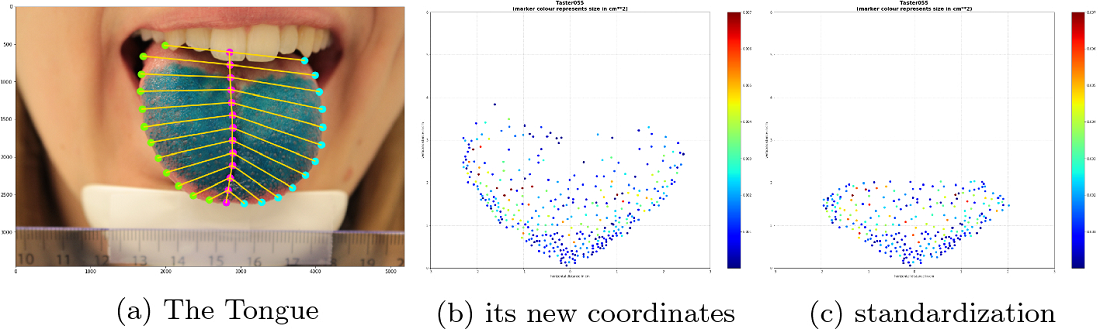
An American might ask if the mayonnaise is spicy while an Asian will warn them they only think they want the hot sauce on Asian food. A woman is more likely to be better at detecting bitter tastes than men.

The difference is not cultural, that some people are timid when it comes to food, is it anatomical. A new study found that Danes aren't quite as good as Chinese at discerning bitter tastes - and the reason is biology. So if you are more sensitive to the bitter taste found in broccoli, Brussels sprouts and dark chocolate, you now know why.
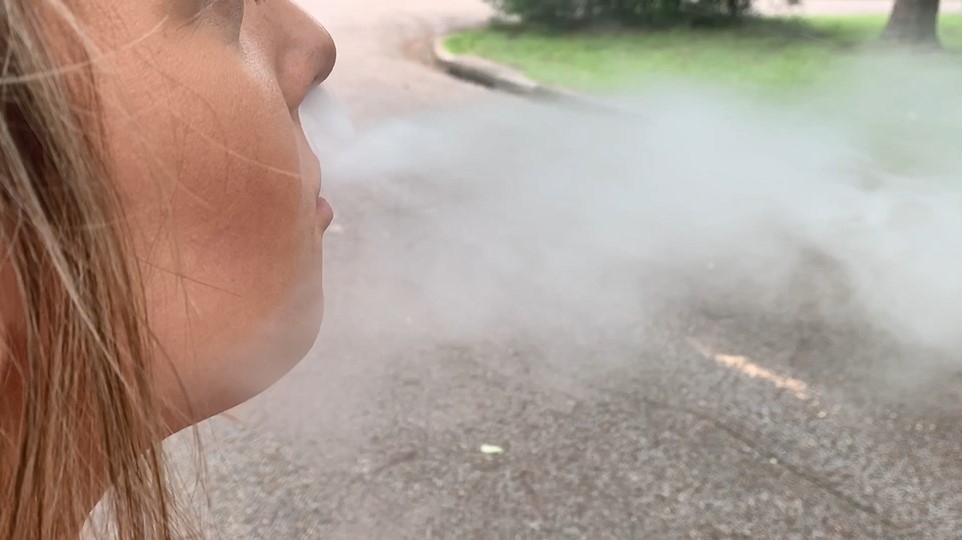
Smoking is on the decline, and that's a good thing. The evidence is clear that smoking kills. But what about tobacco? A few years ago groups like the U.S. Centers for Disease Control began to suggest nicotine was as harmful as smoking; meaning it was not the smoke at all. There was no evidence of that, it was only epidemiological correlation.
It's well-known that infectious disease mitigation worksl if people voluntarily follow the rules and guidelines of experts but what has happened instead is resentment of what some perceive as social authoritarian decision-makers calling the shots.

What would be better for everyone at risk of respiratory distress from COVID-19 is understanding why and how avoiding social contact and regular hand washing will help. Government can mandate things but we may be getting less adherence to guidelines because it is top-down rules, and in the case of some politicians hypocrisy after issuing them, rather than personal commitment.