


What hurts you is not what you don't know, but those mistaken assumptions which "everyone knows to be true".
[The following text is courtesy Andras Kovacs - T.D.]
With the recent legalization of cannabis edibles in Canada, physicians may be inclined to recommend them in much the same way they do homeopathy or naturopathy. But unlike those placebos, which should not be recommended because it's a government subsidy for fraud, there are health risks for cannabis edibles, and media doesn't give it much attention.

"Although edibles are commonly viewed as a safer and more desirable alternative to smoked or vaped cannabis, physicians and the public should be aware of several risks related to the use of cannabis edibles," write Drs. Jasleen Grewal and Lawrence Loh from the University of Toronto, Toronto, Ontario.
Some people can experience a rash or sensitivity to some cosmetics while most people are fine. It isn't that modern cosmetics are bad, regardless what alternative companies and their trade groups like Campaign for Safe Cosmetics claim, it's nature. Botanical extracts sold as "natural" chemicals in cosmetics cause the same issue.

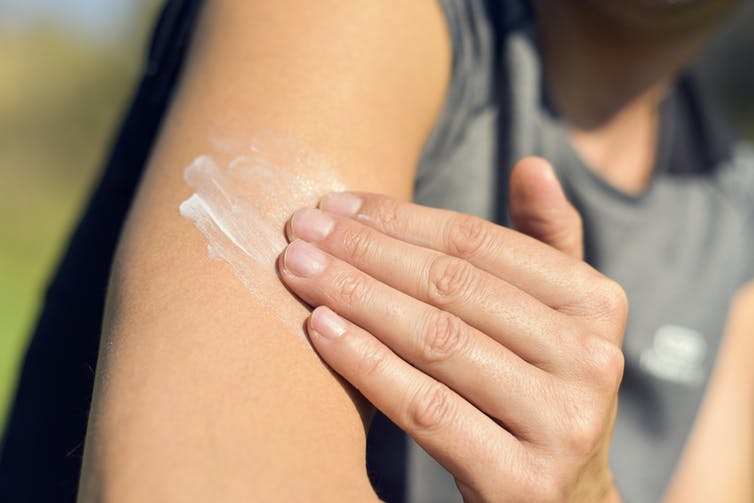
Many people are reluctant to use sunscreen, even though it’s an important element in preventing the skin cancers that affect about two in three of us at some time in our lives.

The Cancer Council says myths about sunscreens contribute to this reluctance. Here are 4½ sunscreen myths and what the evidence really says. Confused about the ½? Well, it’s a myth most of the time, but sometimes it’s true.

Eighty-one years ago, a broadcast of Orson Welles’s War of the Worlds supposedly caused mass hysteria in America, as listeners thought Martians had invaded New Jersey.

There are varying accounts of the controversial incident, and it remains a topic of fascination, even today.

Back when Welles’s fictional Martians attacked, broadcast radio was considered a state-of-the-art technology.

And since the first transatlantic radio signal was transmitted in 1901 by Guglielmo Marconi, radio has greatly innovated the way we communicate.

Though the development of agriculture 10,000 years ago is what made humans the apex predator, a new analysis reveals that the stage was set long before farming became science. 

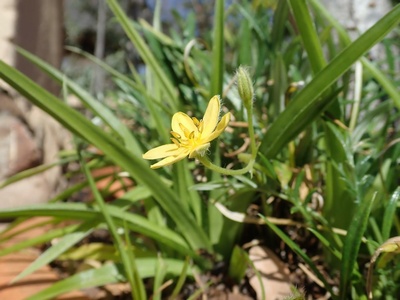
Excavations at Border Cave in the Lebombo Mountains, on the border of KwaZulu-Natal Province, South Africa, and Swaziland, show that someone was cooking starchy Hypoxis angustifolia rhizomes plants, such as the Yellow Star flower, 170,000 years ago. It also suggests they probably used wooden sticks to extract plants from the ground.
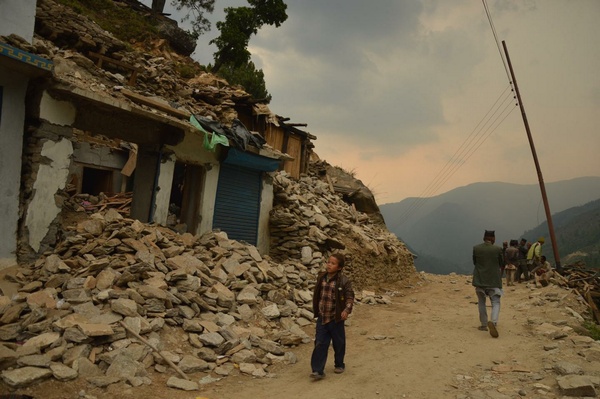
If you intended to holiday at a place that underwent a disaster it might be a good idea to keep your plans, especially if you are civic-minded and are willing to help.

Such "volunteer tourism" can actually help communities recover from natural disasters, a new study finds.

Most people will do nothing of the kind, they will send "thoughts and prayers" on Twitter and go anywhere else, but if you are a volunteer tourist (willing to help) rather than a disaster tourist(you want to take selfies) it will bring practical benefits, along with intangible economic ones.

Formaldehyde is one of the most studied, and regulated, chemical substances in commerce today. For decades, this substance has been continuously studied to help ensure regulated safe exposure levels for formaldehyde are protective.

If you were to ask a group of medical professionals to name the most significant public health achievements of the past century, antibiotics and widespread vaccination against infectious diseases would almost certainly top the list.

Short summary: Soleimani is an Iranian leader, who is highly respected in Iran, and played a key role in the fight against ISIS. However, he was classified by the US as terrorist because of his position as leader of the Quds, a numerically small black ops type operations supplying weapons to shia militants and the mastermind of operations targeting US soldiers and civilians.

Here is my short tweet about it


