One symptom of post-traumatic stress disorder (PTSD) is intrusive visual reminders of a traumatic event. New research in Current Biology finds that the brain uses similar visual areas for mental imagery and vision, but it uses low-level visual areas less precisely with mental imagery than with vision.
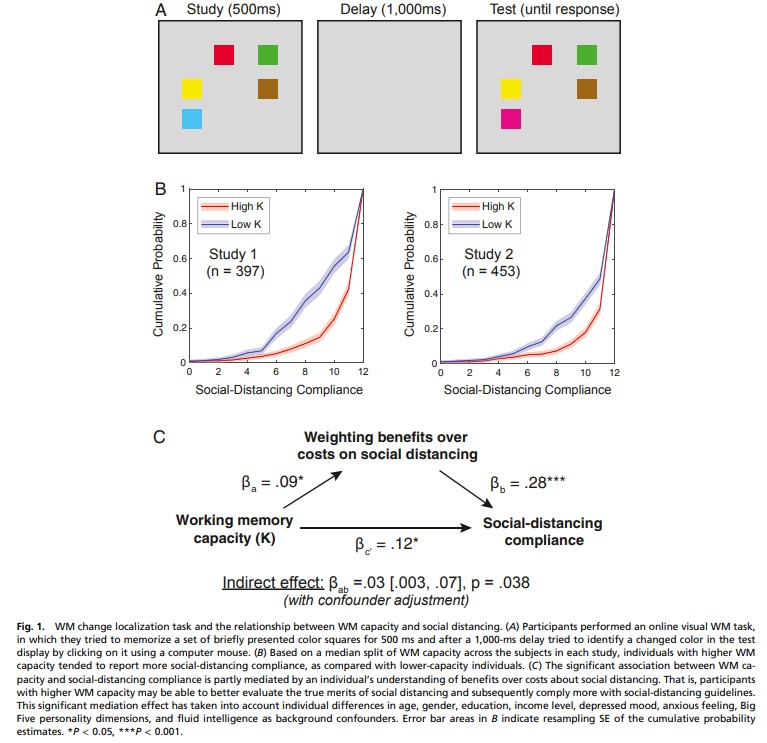
Some people would not or said they could not socially distance effectively during the early days of the COVID-19 pandemic, the 2019 coronavirus mutation that originated in Wuhan, China and spread worldwide. Is there scientific truth to why?
In an open letter published in Harper’s Magazine, 152 writers, including JK Rowling and Margaret Atwood, claim that a climate of “censoriousness” is pervading liberal culture, the latest contribution to an ongoing debate about freedom of speech online.
The American Academy of Pediatrics is a rather reflexive group much of the time, so it seems bold for Pediatrics, the in-house journal for an organization that tried to argue kids should not be allowed to even walk to school until they are age 10, to take the position that children infrequently transmit COVID-19 to each other or to adults and that most schools can and should reopen in August.
If we could start 2020 all over again, the world would be satisfied if the big worry was wildfires and whether or not cat litter had a Non-GMO Project label.
Instead, we got a coronavirus from Wuhan, China, and a COVID-19 disease that isn't stopping any time soon. But science marches on, and we also have machine learning helping to grow artificial organs.
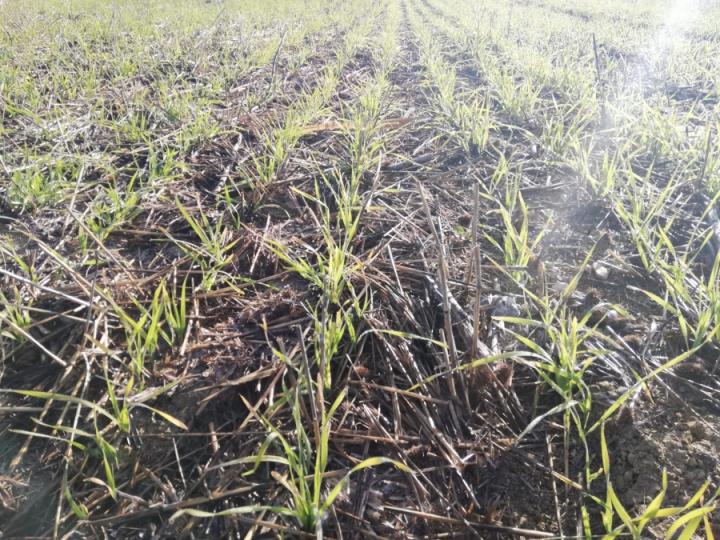
One of the glaring errors in the controversial United Nations IPCC report critical of agriculture was that it used the Greenhouse Gas Protocol yet ignored the carbon sequestration of crops. A politically neutral examination of the science shows that
agriculture is nowhere near as big a problem in emissions as activists have claimed.
Panic-stricken headlines about “murder hornets” are thankfully mostly behind us. The nickname may have staying power, but it is certainly unearned.
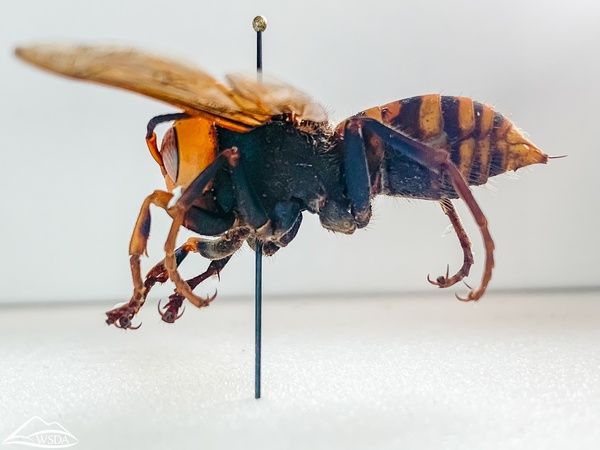
First spotted in British Columbia in August 2019, the Asian giant hornet (Vespa mandarinia) poses little threat to humans. In its native range in East Asia, the giant hornet is chiefly a menace to the livelihoods of beekeepers, provoking concern that it could cause similar problems in North America.
The origin of carbon in the Milky Way is a mystery but one source of many elements is not: Dying white dwarfs. As those dying stars pass into oblivion, they sprinkle their ashes into the cosmos. These ashes, spread via stellar winds, are enriched with many different chemical elements, including carbon.
The origin of carbon, an element essential to life on Earth, in the Milky Way galaxy is primarily speculation: some are in favor of the idea that low-mass stars blew off their carbon-rich envelopes by stellar winds became white dwarfs, while others place the major site of carbon's synthesis in the winds of massive stars that eventually exploded as supernovae.
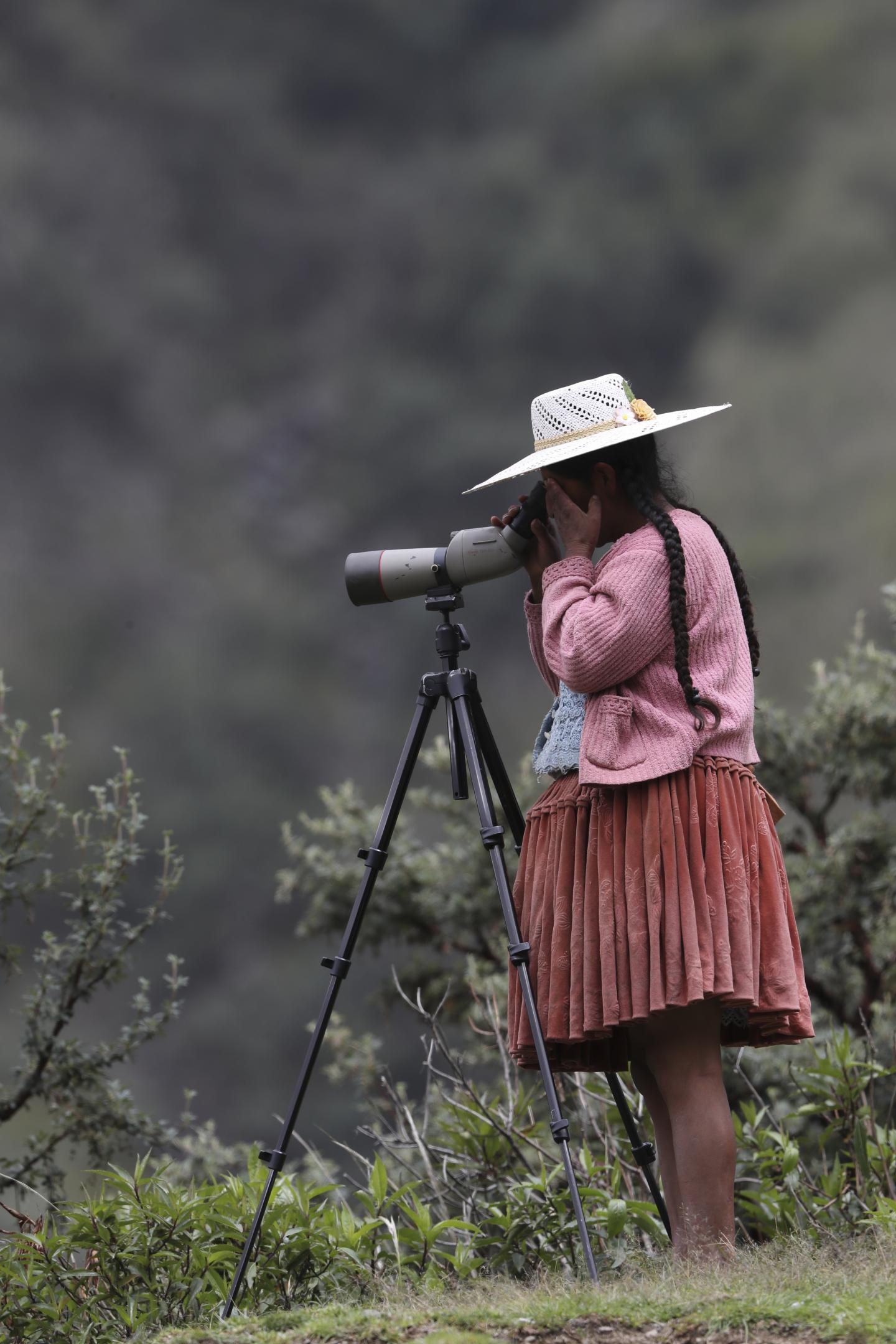
Is citizen science a luxury for wealthy countries? Pastimes like bird watching, which require very little wealth to start, are more common in developed lands, but it would help fill the gaps in science elsewhere.
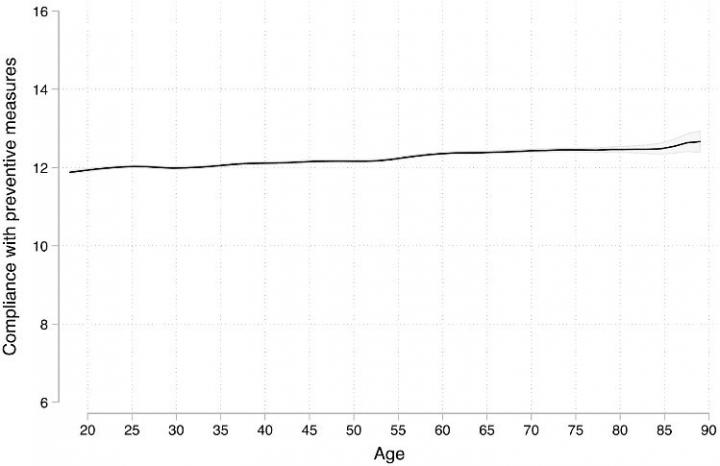
Surveys are not behavior but if surveys are any indication, elderly people are not willing to self-isolate, even knowing they are at greatest risk of getting COVID-19, the newest mutation of the coronavirus that originated in Wuhan, China, and and spread worldwide.
Survey results from 27 countries find that elderly people are not more compliant with COVID-19 preventive measures and not more willing to isolate when asked, even though it is established that older adults appear are far more likely to be hospitalized or die from the disease.